Emergency Helpline: 8000 7070+97332181810MyKIMS Login
KIMS Royal Bahrain Hospital

Doctors & Specialities

Explore all Doctors
Explore all Specialities
Explore all Diseases and Conditions
Explore all Procedures
Emergency Helpline: 8000 7070+97332181810Patient StoriesKIMSHEALTH Seha Card

Packages & Services

Explore all Health Packages
Insurance Partner
Explore all Health Services
Emergency Helpline: 8000 7070+97332181810Patient StoriesKIMSHEALTH Seha Card
|
Royal Bahrain Hospital, Salmaniya
RBH Medical Center, Janabiyah
Who We Are
Contact Us
Quality & Accreditations
Leadership
Media & Newsroom
Our Network
Emergency Helpline: 8000 7070+97332181810Patient StoriesKIMSHEALTH Seha Card
Emergency: 8000 7070 +97332181810
  • Explore all DoctorsExplore all SpecialitiesExplore all Diseases and ConditionsExplore all Procedures
  • Explore all Health PackagesInsurance PartnerExplore all Health Services
  • Our Facilities

    Royal Bahrain Hospital, SalmaniyaRBH Medical Center, Janabiyah

    About Us

    Who We AreContact UsQuality & AccreditationsLeadershipMedia & NewsroomOur Network
Emergency Helpline: 8000 7070+97332181810Patient StoriesKIMSHEALTH Seha Card
HomeSpecialitiesInterventional Radiology
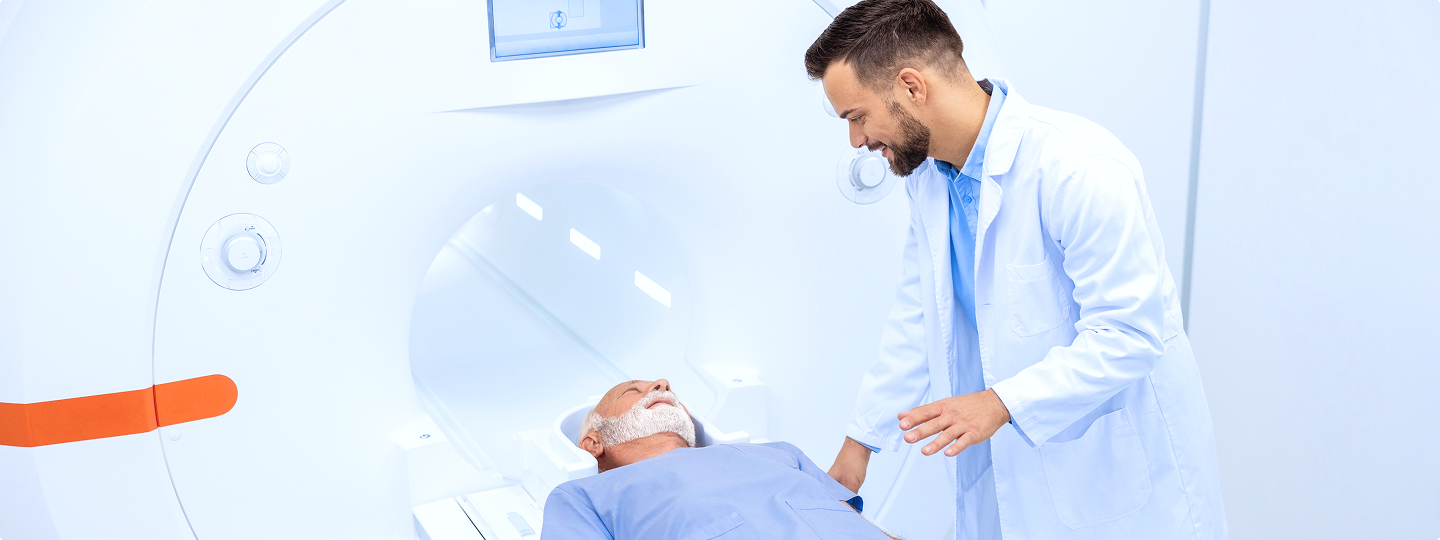
Interventional Radiology

Interventional RadiologyInterventional Radiology

About the Speciality

Interventional radiology at KIMSHEALTH uses image-guided, minimally invasive techniques—placing tiny catheters or wires under X-ray, CT or ultrasound—to diagnose and treat disease, often avoiding open surgery and shortening hospital stays. Our NABH-accredited Radiology Department operates a fully digital workflow (RIS/PACS) with 24/7 diagnostic and interventional services, including 3T MRI with AI acceleration, PET-CT, high-resolution CT and extensive ultrasound capacity. We help individuals with procedures such as biopsies and drainages, vascular interventions and stenting, biliary drainage and PTBD, tumour embolisation (TACE/TARE), ablation (RFA/MWA), complex angiography (DSA), and image-guided pain blocks. DNNB/DRNB training programs provide clinical-radiological case reviews and support multidisciplinary care across neuro, cardiac, hepatobiliary, oncology, and transplant services.

Relevant diseases
& conditions

View All
Varicose Veins Interventional Radiology
Varicose veins are enlarged, twisted veins caused by weakened venous valves.
Learn Morearrow
Chronic Venous Insufficiency
A condition where leg veins fail to effectively return blood to the heart.
Learn Morearrow
Uterine Fibroids
Non-cancerous uterine growths that may cause heavy bleeding and pelvic discomfort.
Learn Morearrow
Liver Tumors
Benign or malignant tumors of the liver treated using minimally invasive image-guided techniques.
Learn Morearrow
Kidney Tumors
Abnormal kidney growths that may be treated with image-guided minimally invasive procedures.
Learn Morearrow
Benign Prostatic Hyperplasia (BPH)
Benign Prostatic Hyperplasia (BPH) is a non-cancerous enlargement of the prostate gland, commonly affecting older men. The enlarged prostate can compress the urethra, leading to urinary problems such as difficulty starting urination, weak stream, and frequent nighttime urination. While not life-threatening, untreated BPH can cause complications like urinary retention or infections. Early diagnosis, lifestyle changes, medications, or minimally invasive procedures can help manage symptoms, improve quality of life, and maintain normal urinary function.
Learn Morearrow
Vascular Malformations
Abnormal blood vessel development that may cause swelling, pain, or bleeding.
Learn Morearrow
Gastrointestinal Bleeding
Bleeding within the digestive tract requiring urgent diagnosis and intervention.
Learn Morearrow
Biliary Obstruction
Blockage of the bile ducts affecting liver and digestive function.
Learn Morearrow
Dialysis Access Dysfunction
Complications affecting vascular access required for hemodialysis.
Learn Morearrow
Portal Hypertension
Increased pressure in the portal venous system, usually due to liver disease.
Learn Morearrow
Ascites
Accumulation of fluid in the abdominal cavity, commonly linked to liver disease or cancer.
Learn Morearrow
Cancer-Related Pain
Severe pain caused by tumor growth or nerve compression.
Learn Morearrow
Spine Compression Fractures
Fractures of spinal vertebrae often related to osteoporosis or cancer.
Learn Morearrow
Previous
Next

Procedures & treatments provided

View All
Thrombolysis and Mechanical Thrombectomy
Thrombolysis and mechanical thrombectomy are minimally invasive procedures used to treat blood clots in arteries or veins. Thrombolysis delivers clot-dissolving medication directly to the clot, while thrombectomy physically removes it using specialized devices. These treatments quickly restore blood flow, reduce tissue damage, and prevent serious complications. Early intervention significantly improves outcomes and reduces long-term health risks.
Learn Morearrow
Uterine Fibroid Embolization (UFE) Interventional Radiology
Uterine Fibroid Embolization is a minimally invasive alternative to surgery for treating symptomatic uterine fibroids. Tiny particles are injected into arteries supplying the fibroids, blocking blood flow and causing them to shrink over time. UFE relieves heavy menstrual bleeding, pelvic pain, and pressure while preserving the uterus. Recovery is typically faster than traditional surgery, with minimal scarring and shorter hospital stay.
Learn Morearrow
Prostate Artery Embolization (PAE)
Prostate Artery Embolization is a minimally invasive treatment for benign prostatic hyperplasia (BPH). By reducing blood flow to the enlarged prostate, the gland gradually shrinks, improving urinary flow and reducing symptoms such as frequent urination and weak stream. The procedure is performed under imaging guidance and offers a safe alternative to surgery with shorter recovery time and fewer complications.
Learn Morearrow
Tumor Ablation (Radiofrequency, Microwave, Cryoablation)
Tumor ablation is a minimally invasive treatment that destroys tumors using heat (radiofrequency or microwave) or extreme cold (cryoablation). Guided by CT or ultrasound imaging, a probe is inserted directly into the tumor to precisely target abnormal tissue while preserving surrounding healthy structures. This procedure is commonly used for liver, kidney, lung, and bone tumors, particularly in patients who are not candidates for surgery.
Learn Morearrow
Transarterial Chemoembolization (TACE)
Transarterial Chemoembolization (TACE) is a targeted cancer treatment commonly used for liver tumors. Chemotherapy drugs are delivered directly into the tumor’s blood supply, followed by embolic agents that block blood flow, trapping the medication within the tumor. This dual approach maximizes tumor destruction while minimizing systemic side effects. TACE is often used when surgery is not possible.
Learn Morearrow
Embolization for Bleeding Control
Embolization for bleeding control is a life-saving minimally invasive procedure used to stop internal bleeding. Using image guidance, embolic materials are delivered through a catheter to block the bleeding vessel. It is commonly used in trauma, gastrointestinal bleeding, postpartum hemorrhage, and tumor-related bleeding. This technique offers rapid control without open surgery.
Learn Morearrow
Varicose Vein Ablation (Laser or Radiofrequency)
Varicose vein ablation is a minimally invasive procedure used to treat enlarged, painful, or cosmetically concerning veins. Using laser or radiofrequency energy, heat is delivered inside the affected vein, causing it to collapse and seal shut. Blood flow is naturally redirected to healthier veins, improving circulation and relieving symptoms such as swelling, heaviness, and leg pain. The procedure is performed under local anesthesia and allows patients to return to daily activities quickly.
Learn Morearrow
Image-Guided Drainage Procedures
Image-guided drainage is a minimally invasive procedure used to remove infected fluid collections, abscesses, or cysts. Using ultrasound or CT guidance, a small catheter is inserted into the fluid pocket to drain it safely. This procedure relieves pain, reduces infection risk, and often avoids the need for open surgery.
Learn Morearrow
Biliary Drainage and Stenting
Biliary drainage and stenting relieve blockages in the bile ducts caused by stones, tumors, or strictures. Using imaging guidance, a catheter is inserted to drain bile and, if necessary, a stent is placed to keep the duct open. This improves liver function, reduces jaundice, and alleviates symptoms such as itching and abdominal discomfort.
Learn Morearrow
Nephrostomy Tube Placement
Nephrostomy tube placement is performed to relieve kidney obstruction by draining urine directly from the kidney. Using imaging guidance, a small tube is inserted through the skin into the kidney to restore urine flow and prevent kidney damage. It is often used when blockage is caused by stones, tumors, or strictures.
Learn Morearrow
Central Venous Catheter and Port Placement
Central venous catheter and port placement provide long-term access to major veins for chemotherapy, dialysis, or long-term medication administration. Inserted under imaging guidance, these devices reduce repeated needle sticks and improve treatment comfort. Ports are placed under the skin for discreet, long-term use.
Learn Morearrow
Dialysis Fistula Angioplasty
Dialysis fistula angioplasty is performed to treat narrowing in dialysis access vessels. Using a balloon catheter, the narrowed segment is widened to restore adequate blood flow for effective dialysis. This minimally invasive procedure prolongs fistula function and avoids surgical revision.
Learn Morearrow
IVC Filter Placement
IVC filter placement is a minimally invasive procedure designed to prevent blood clots from traveling to the lungs. A small filter is placed in the inferior vena cava to trap clots while allowing normal blood flow. It is typically used when anticoagulation therapy is not suitable.
Learn Morearrow
Vertebroplasty and Kyphoplasty
Vertebroplasty and kyphoplasty are minimally invasive procedures used to treat painful spinal compression fractures. Bone cement is injected into the fractured vertebra to stabilize it and relieve pain. Kyphoplasty may include balloon inflation to restore height before cement placement. These procedures provide rapid pain relief and improved mobility.
Learn Morearrow
Nerve Block Procedures
Nerve block procedures are image-guided injections used to relieve acute or chronic pain. By delivering anesthetic or anti-inflammatory medication near specific nerves, pain signals are interrupted, providing targeted relief. These procedures are used for back pain, joint pain, cancer-related pain, and other chronic conditions. They can significantly improve quality of life while reducing reliance on systemic medications.
Learn Morearrow
Previous
Next

Available at

Find Us at Our Facilities
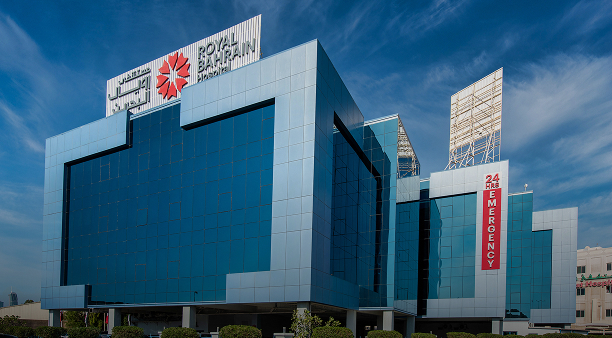
Royal Bahrain Hospital, Salmaniya Image

Royal Bahrain Hospital, Salmaniya

Royal Bahrain Hospital, Salmaniya Background Image

Royal Bahrain Hospital, Salmaniya

Orthopedics, Obstetrics and Gynecology, Urology, General Surgery, Cardiology and Plastic Surgery

+973 1724 6800

Get Directions

93

Doctors

77

Beds

15

Services

2011

Established in

Learn More About This Facility

More from KIMSHEALTH

Looking for something else?

Insurance Partners

Insurance Partners

Health Packages

Health Packages

KIMSHEALTH App

KIMSHEALTH App

Footer Background
Footer Logo

Our Facilities

  • Salmaniya (Hospital)
  • Janabiyah (Medical Centre)

Specialities

Contact Us

Plan Your Visit

  • Find a Doctor
  • Find Insurance Partner
  • KIMSHEALTH Seha Card

Packages & Services

  • Health Packages
  • Health at Home
  • Dialysis
  • Maternity Packages

Support

  • Patient & Visitor FAQs
  • Regional Sitemap

Health Library

Careers

  • Life at KIMSHEALTH
  • Job Listings

Smartphone-Free Childhood Bahrain

ACCN Course Payment

Copyright © 2026. KIMSHEALTH. All Rights Reserved

Instagram IconFacebook IconSnapchat IconTiktok Icon

Download the App

Google PlayApp Store