Emergency Helpline: 8000 7070+97332181810MyKIMS Login
KIMS Royal Bahrain Hospital

Doctors & Specialities

Explore all Doctors
Explore all Specialities
Explore all Diseases and Conditions
Explore all Procedures
Emergency Helpline: 8000 7070+97332181810Patient StoriesKIMSHEALTH Seha Card

Packages & Services

Explore all Health Packages
Insurance Partner
Explore all Health Services
Emergency Helpline: 8000 7070+97332181810Patient StoriesKIMSHEALTH Seha Card
|
Royal Bahrain Hospital, Salmaniya
RBH Medical Center, Janabiyah
Who We Are
Contact Us
Quality & Accreditations
Leadership
Media & Newsroom
Our Network
Emergency Helpline: 8000 7070+97332181810Patient StoriesKIMSHEALTH Seha Card
Emergency: 8000 7070 +97332181810
  • Explore all DoctorsExplore all SpecialitiesExplore all Diseases and ConditionsExplore all Procedures
  • Explore all Health PackagesInsurance PartnerExplore all Health Services
  • Our Facilities

    Royal Bahrain Hospital, SalmaniyaRBH Medical Center, Janabiyah

    About Us

    Who We AreContact UsQuality & AccreditationsLeadershipMedia & NewsroomOur Network
Emergency Helpline: 8000 7070+97332181810Patient StoriesKIMSHEALTH Seha Card
HomeDoctorsDr.Muhiad Elias Salih
Nephrology

Dr.Muhiad Elias Salih

Consultant, Nephrologist

Arabic & English
Royal Bahrain Hospital, Salmaniya
RBH Medical Center, Janabiya
Dr.Muhiad Elias Salih

About

Dedicated to helping patients achieve the best possible long-term kidney health through personaliseddisease, hypertension, diabetic kidney disease and dialysiswith expertise in the diagnosis and management of chronic kidney disease, hypertension, and diabetic kidney disease. Committed to delivering evidence-based, patient-centred care, with a focus on early detection, slowing disease progression, and preserving kidney function. Dedicated to helping patients achieve the best possible long-term kidney health through personalised treatment and comprehensive care.

Dedicated to helping patients achieve the best possible long-term kidney health through personaliseddisease, hypertension, diabetic kidney disease and dialysiswith expertise in the diagnosis and management of chronic kidney disease, hypertension, and diabetic kidney disease. Committed to delivering evidence-based, patient-centred care, with a focus on early detection, slowing disease progression, and preserving kidney function. Dedicated to helping patients achieve the best possible long-term kidney health through personalised treatment and comprehensive care.

Conditions treated

View All
Electrolyte imbalance
Electrolyte imbalance occurs when the levels of essential minerals such as sodium, potassium, calcium, phosphorus or magnesium in the body become too high or too low. These electrolytes are vital for nerve function, muscle movement, heartbeat regulation, and fluid balance. Imbalances can result from dehydration, kidney disease, hormonal disorders, or certain medications. Symptoms may range from mild to severe and can become life-threatening if not treated promptly. Early diagnosis and proper management help restore balance and prevent complications.
Learn Morearrow
Hemodialysis
Hemodialysis is a medical treatment used to remove waste products, excess fluids, and toxins from the blood when the kidneys are no longer able to function properly. It is commonly required in advanced stages of chronic kidney disease or kidney failure. During hemodialysis, blood is filtered through a machine and then returned to the body. The procedure helps maintain fluid balance, control blood pressure, and improve overall well-being, allowing patients to continue daily activities with proper care.
Learn Morearrow
Pregnancy-related renal diseases
Pregnancy-related renal diseases are kidney conditions that develop during pregnancy or are worsened by pregnancy. These include preeclampsia, acute kidney injury, urinary tract infections, and worsening of pre-existing kidney disease. Hormonal changes, increased blood volume, and blood pressure fluctuations can place extra stress on the kidneys. Early detection through regular antenatal checkups is essential. Prompt treatment helps protect both maternal and fetal health and reduces the risk of long-term kidney complications after delivery.
Learn Morearrow
Tubulopathies
Tubulopathies are a group of kidney disorders that affect the renal tubules, which are responsible for reabsorbing water, electrolytes, and nutrients from the urine. When these tubules do not function properly, it leads to imbalances in fluids, electrolytes, and acid–base levels in the body. Tubulopathies may be inherited or acquired and can occur in both children and adults. Early diagnosis and appropriate management are important to prevent complications and protect long-term kidney function.
Learn Morearrow
Polycystic Kidney Disease
Polycystic Kidney Disease (PKD) is a genetic disorder characterized by the growth of multiple fluid-filled cysts in the kidneys. These cysts enlarge over time, causing the kidneys to increase in size and gradually lose function. PKD can affect both adults and children and may also involve other organs such as the liver. Early stages may have few symptoms, but the condition can progress to chronic kidney disease or kidney failure. Regular monitoring and early management help slow disease progression.
Learn Morearrow
Renal colic
Renal colic is a severe type of pain caused by the sudden blockage of urine flow, most commonly due to kidney stones moving within the urinary tract. The pain usually starts in the lower back or side and may radiate to the abdomen or groin. Renal colic often occurs suddenly and can be extremely intense. Prompt medical attention is important to relieve pain, manage the obstruction, and prevent complications such as infection or kidney damage.
Learn Morearrow
Hypertensive Kidney Disease
Hypertensive Kidney Disease is a condition in which long-standing high blood pressure causes gradual damage to the kidneys. Persistent elevated blood pressure damages blood vessels in the kidneys, reducing their ability to filter waste and excess fluids effectively. The condition often develops silently, with symptoms appearing only in advanced stages. If left untreated, it can progress to chronic kidney disease or kidney failure. Early diagnosis, strict blood pressure control, and regular monitoring are essential to slow disease progression.
Learn Morearrow
Diabetic Nephropathy
Diabetic Nephropathy is a kidney condition caused by long-term damage from uncontrolled diabetes. High blood sugar levels gradually damage the kidney’s filtering units, leading to protein leakage into the urine and reduced kidney function. The condition develops slowly and may not show symptoms in the early stages. Without proper management, it can progress to chronic kidney disease or kidney failure. Strict blood sugar control, regular kidney monitoring, and early treatment play a key role in slowing disease progression.
Learn Morearrow
Glomerulonephritis
Glomerulonephritis is a kidney condition that causes inflammation of the glomeruli, the tiny filtering units inside the kidneys. This inflammation affects the kidneys’ ability to remove waste and excess fluid from the blood. It may develop suddenly or gradually and can be caused by infections, autoimmune diseases, or certain systemic conditions. Early diagnosis and proper treatment are essential to prevent kidney damage. If left untreated, glomerulonephritis can lead to chronic kidney disease or kidney failure.
Learn Morearrow
Acute Kidney Injury (AKI)
Acute Kidney Injury (AKI) is a sudden loss of kidney function that occurs over hours or days. It leads to the buildup of waste products, fluids, and electrolyte imbalance in the body. AKI can develop due to severe infections, dehydration, reduced blood flow to the kidneys, or exposure to certain medications or toxins. Early diagnosis and timely treatment are crucial, as AKI is often reversible. If not managed properly, it can lead to serious complications or progress to chronic kidney disease.
Learn Morearrow
Chronic Kidney Disease (CKD)
Chronic Kidney Disease (CKD) is a long-term condition where the kidneys gradually lose their ability to filter waste and excess fluids from the blood. It usually develops slowly over months or years and is commonly caused by diabetes, high blood pressure, or prolonged kidney damage. In the early stages, CKD may show few symptoms, making regular screening important. Proper management can slow disease progression, reduce complications, and help maintain quality of life.
Learn Morearrow
Previous
Next

Available at

Find Us at Our Facilities
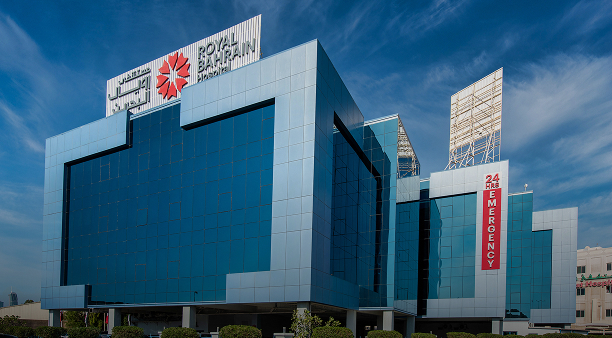
Royal Bahrain Hospital, Salmaniya Image

Royal Bahrain Hospital, Salmaniya

Royal Bahrain Hospital, Salmaniya Background Image

Royal Bahrain Hospital, Salmaniya

Orthopedics, Obstetrics and Gynecology, Urology, General Surgery, Cardiology and Plastic Surgery

+973 1724 6800

Get Directions

93

Doctors

77

Beds

15

Services

2011

Established in
Learn More About This Facility
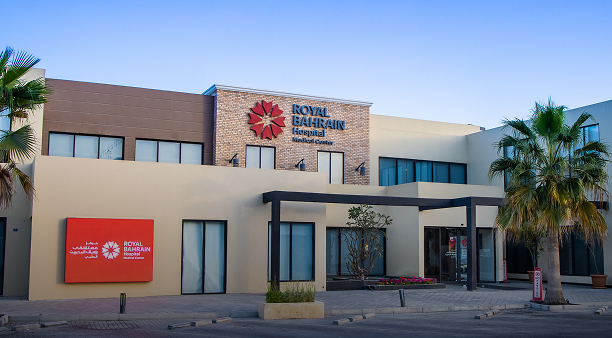
RBH Medical Center, Janabiya Image

RBH Medical Center, Janabiya

RBH Medical Center, Janabiya Background Image

RBH Medical Center, Janabiya

Orthopedics, Obstetrics and Gynecology, Urology, General Surgery and Cardiology

+973 1724 6800

Get Directions

40+

Doctors

10

Services

2021

Established in

Learn More About This Facility

More from KIMSHEALTH

Looking for something else?

Insurance Partners

Insurance Partners

Health Packages

Health Packages

KIMSHEALTH App

KIMSHEALTH App

Footer Background
Footer Logo

Our Facilities

  • Salmaniya (Hospital)
  • Janabiyah (Medical Centre)

Specialities

Contact Us

Plan Your Visit

  • Find a Doctor
  • Find Insurance Partner
  • KIMSHEALTH Seha Card

Packages & Services

  • Health Packages
  • Health at Home
  • Dialysis
  • Maternity Packages

Support

  • Patient & Visitor FAQs
  • Regional Sitemap

Health Library

Careers

  • Life at KIMSHEALTH
  • Job Listings

Smartphone-Free Childhood Bahrain

ACCN Course Payment

Copyright © 2026. KIMSHEALTH. All Rights Reserved

Instagram IconFacebook IconSnapchat IconTiktok Icon

Download the App

Google PlayApp Store