cardiology
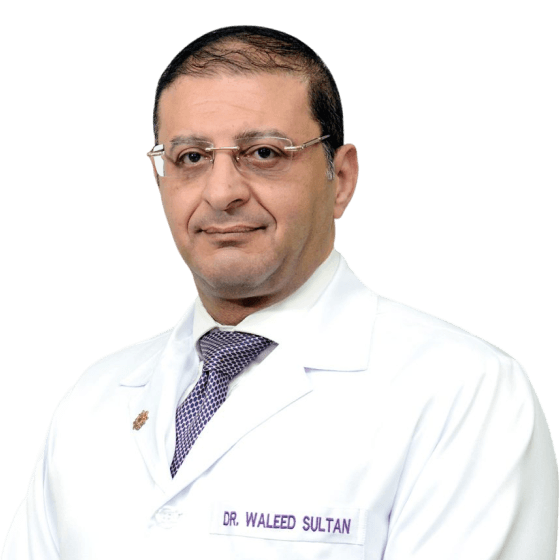
Dr. Waleed Sultan
Specialist, Cardiology
About
Clinical Expertise & Procedures Offered
- Preventive Cardiology
- Hypertension
- Heart Failure
- Cardiac Arrhythmia
- Cardio – diabetic Disease
- Services Offered:
- Echocardiography (Transthoracic, Stress, Dobutamine Stress)
- Treadmill Stress Test
- 24 Hours Holter ECG and Blood Pressure Monitoring
- Head Tilt Table Test
Conditions treated
Ventricular Tachycardia (VT)
Ventricular Tachycardia (VT) is a potentially life-threatening heart rhythm disorder in which the lower chambers (ventricles) beat abnormally fast. This rapid heart rate can reduce blood flow to the body and may lead to fainting, heart failure, or sudden cardiac arrest. VT often occurs in people with underlying heart conditions such as cardiomyopathy, previous heart attacks, or electrolyte imbalances. Emergency Defibrillation is the life saving treatment in most cases. Early detection, medical management, and interventions like implantable defibrillators can prevent complications and improve survival.


Valvular Heart Disease
Valvular Heart Disease (VHD) occurs when one or more of the heart’s valves—mitral, aortic, tricuspid, or pulmonary—malfunction due to narrowing (stenosis), leakage (regurgitation), or prolapse. This disrupts normal blood flow and may lead to symptoms such as fatigue, shortness of breath, or heart failure. Causes include rheumatic fever, congenital defects, infections, or age-related degeneration. Early diagnosis, medical management, and surgical interventions such as valve repair or replacement help restore valve function and prevent complications.
Syncope (Fainting)
Syncope is a temporary loss of consciousness caused by a sudden drop in blood flow to the brain. It is usually brief, with spontaneous recovery, but can indicate underlying heart, neurological, or metabolic conditions. Common triggers include dehydration, prolonged standing, sudden posture changes, or emotional stress. Evaluation is important to rule out serious causes. Early recognition, preventive measures, and appropriate medical management help reduce recurrence and potential injury during fainting episodes.
Sports Medicine / Exercise Fitness
Sports medicine and exercise fitness focus on the prevention, diagnosis, and treatment of injuries and conditions related to physical activity, as well as optimizing athletic performance and overall health. It encompasses exercise physiology, injury rehabilitation, nutrition, and training techniques to support safe and effective physical activity. Professionals in this field help individuals—from casual exercisers to elite athletes—maintain cardiovascular health, muscle strength, flexibility, and endurance. Regular, structured physical activity under guidance improves physical fitness, prevents chronic diseases, enhances mental well-being, and supports long-term functional health.
Rheumatic Heart Disease (RHD)
Rheumatic Heart Disease (RHD) is a chronic heart condition caused by damage to heart valves following rheumatic fever, which is an inflammatory disease triggered by an untreated or poorly treated streptococcal throat infection. Valve damage can lead to heart failure, arrhythmias, and increased risk of stroke. RHD is more common in children and young adults in low-resource settings. Early diagnosis, antibiotic prophylaxis, and medical or surgical management of valve disease can prevent complications and improve long-term outcomes.
Pulmonary Embolism
A life-threatening condition where a blood clot blocks a lung artery.
Primordial Prevention of Ischemic Heart Disease (IHD) in Children
Primordial prevention aims to prevent the development of risk factors for Ischemic Heart Disease (IHD) in children before they occur. This includes promoting heart-healthy lifestyles from an early age to reduce the future risk of high blood pressure, obesity, high cholesterol, and diabetes. Encouraging balanced nutrition, regular physical activity, and avoidance of tobacco exposure are key strategies. Early education, family involvement, and supportive environments help children adopt lifelong habits that reduce the likelihood of developing IHD in adulthood.
Pregnant Women with Hypertension
Hypertension in pregnancy is a condition where blood pressure is elevated beyond normal levels, posing risks to both mother and baby. It may be chronic (pre-existing) or develop during pregnancy (gestational hypertension or preeclampsia). Uncontrolled blood pressure can lead to complications such as preterm birth, placental abruption, or organ damage. Careful monitoring, lifestyle modifications, and safe antihypertensive medications help control blood pressure, protect maternal organs, and support healthy fetal development throughout pregnancy.
Pregnant Women Needing Anticoagulants
Some pregnant women require anticoagulants to prevent or treat blood clots due to conditions like deep vein thrombosis (DVT), pulmonary embolism, or certain heart disorders. Pregnancy naturally increases clotting risk, and anticoagulation therapy helps protect both mother and baby. The choice of medication is critical, as some anticoagulants can harm the fetus. Careful monitoring, dose adjustments, and coordination between obstetricians and hematologists ensure safety and effectiveness throughout pregnancy and postpartum.
Peripheral Vascular Disease (PVD)
Peripheral Vascular Disease (PVD) is a condition in which blood vessels outside the heart and brain, particularly in the legs, become narrowed, blocked, or damaged. This reduces blood flow, causing pain, numbness, and delayed healing of wounds. PVD is often caused by atherosclerosis and shares risk factors with heart disease and diabetes. Early detection, lifestyle modifications, medications, and sometimes surgical interventions help improve circulation, manage symptoms, and prevent serious complications like limb ischemia or ulcers.
Peripheral Artery Disease (PAD)
Peripheral Artery Disease (PAD) is a circulatory condition where narrowed or blocked arteries reduce blood flow to the limbs, usually the legs. This can cause pain, cramping, or fatigue during walking or exercise, and in severe cases, ulcers or tissue damage. PAD is often linked to atherosclerosis and shares risk factors with cardiovascular disease. Early detection, lifestyle modifications, and medical or surgical treatments help improve circulation, reduce symptoms, and prevent serious complications such as limb ischemia.
Ischemic Heart Disease (IHD)
Ischemic Heart Disease (IHD), also called coronary artery disease, occurs when blood flow to the heart muscle is reduced due to narrowed or blocked coronary arteries. This limits oxygen supply to the heart muscle, leading to chest pain (angina), shortness of breath, or heart attacks. Chronic IHD can weaken heart function over time. Risk factors include high blood pressure, diabetes, smoking, high cholesterol, obesity, and sedentary lifestyle. Early diagnosis, lifestyle changes, medications, and interventions help manage symptoms, prevent complications, and improve survival and quality of life.
Hypotension (Low Blood Pressure)
Hypotension is a condition where blood pressure is lower than normal, often defined as below 90/60 mmHg. In elderly individuals, it can reduce blood flow to vital organs, causing dizziness, fainting, or falls. It may result from dehydration, medications, heart problems, or autonomic dysfunction. While mild cases are often manageable, severe or sudden hypotension can be dangerous. Early recognition, identifying underlying causes, and proper care help prevent complications and maintain overall health in older adults.
High Cholesterol (Dyslipidemia / Hyperlipidemia)
High cholesterol, also called dyslipidemia or hyperlipidemia, is a condition where elevated levels of cholesterol and fats in the blood increase the risk of atherosclerosis and heart disease. Excess LDL (“bad” cholesterol) can form plaques in arteries, while low HDL (“good” cholesterol) reduces protective effects. Often symptomless initially, it may eventually contribute to heart attacks or strokes. Early detection, lifestyle management, and medications help control cholesterol, reduce cardiovascular risk, and maintain long-term vascular health.
Heart Failure
Heart failure is a chronic condition in which the heart cannot pump blood effectively enough to meet the body’s needs. It may involve the left, right, or both sides of the heart. Causes include coronary artery disease, high blood pressure, or previous heart attacks. Symptoms can range from mild fatigue to severe fluid buildup in lungs or legs. Early diagnosis, lifestyle modifications, medications, and interventions can help manage symptoms, prevent complications, and improve quality of life.
Gout (Cardio-metabolic link)
Gout is a type of arthritis caused by the buildup of uric acid crystals in joints, leading to sudden, severe pain, swelling, and redness. Beyond joint problems, gout is linked to cardio-metabolic conditions such as high blood pressure, diabetes, obesity, and heart disease. Chronic inflammation and metabolic imbalances can increase cardiovascular risk. Early diagnosis, lifestyle management, and medications to control uric acid levels help reduce flare-ups, improve joint health, and lower the risk of associated heart and metabolic complications.
Coronary Artery Disease – Chronic (Angina)
Chronic Coronary Artery Disease, often presenting as angina, is a condition where the heart’s blood supply is reduced due to narrowed or blocked coronary arteries. This causes chest discomfort or pressure during physical activity or stress, as the heart muscle receives insufficient oxygen. Angina can be stable or unstable, with unstable angina signaling higher risk of heart attack. Early diagnosis, lifestyle modifications, medications, and procedures help manage symptoms, improve blood flow, and reduce cardiovascular risks.
Coronary Artery Disease – Acute (Heart Attack / Myocardial Infarction)
Acute Coronary Artery Disease, commonly called a heart attack or myocardial infarction, occurs when blood flow to a part of the heart is blocked, usually by a blood clot in a coronary artery. This deprives heart muscle of oxygen, causing tissue damage or death. Rapid recognition and treatment are critical to reduce complications. Risk factors include high blood pressure, high cholesterol, diabetes, smoking, and lifestyle habits. Timely medical care improves survival and heart function recovery.
Congenital Heart Defects
Structural heart abnormalities present at birth.
Cardiomyopathy
Cardiomyopathy is a disease of the heart muscle that makes it harder for the heart to pump blood effectively. The heart muscle may become enlarged, thickened, or stiff, leading to reduced circulation to the body. Over time, cardiomyopathy can result in heart failure, abnormal heart rhythms, or blood clots. Some forms are inherited, while others develop due to medical conditions or lifestyle factors. Early diagnosis and proper treatment help slow disease progression and improve the quality of life.
Bradycardia
Bradycardia is a heart rhythm condition where the heart beats slower than normal, typically fewer than 60 beats per minute. It occurs when the heart’s electrical signals are delayed or blocked. While mild bradycardia may be normal in healthy or athletic individuals, severe cases can limit blood flow to vital organs. This may lead to fatigue, dizziness, or fainting. Timely diagnosis and appropriate treatment help manage symptoms and prevent serious complications.
Atrial Fibrillation
Atrial Fibrillation is a common heart rhythm disorder where the heart’s upper chambers beat irregularly and rapidly. This disrupts normal blood flow, allowing blood to pool and increases the risk of clot formation and stroke. AFib may be occasional or long-lasting and often worsens if not treated. While some people have no symptoms, others experience significant discomfort. Early diagnosis, proper medical care, and lifestyle management can help control heart rhythm, reduce complications, and improve overall quality of life.
Arrhythmias (Irregular Heartbeat)
Arrhythmias are disorders of the heart’s electrical system that cause irregular - too fast, or too slow heartbeats. They occur when electrical signals that coordinate heart contractions malfunction. Some arrhythmias are harmless and temporary, while others can reduce blood flow, increase stroke risk, or cause sudden cardiac events. Early detection, proper evaluation, and appropriate treatment help control
symptoms, prevent complications, and support long-term heart health. Management plans are
individualized based on type, severity, and overall patient health and lifestyle risk factors.
Hypertension (High Blood Pressure)
Hypertension, or high blood pressure, is a chronic condition where the force of blood against artery walls is consistently elevated. Over time, this increases the risk of heart disease, stroke, kidney damage, and other complications. Often called the “silent killer,” it may show no noticeable symptoms until organ damage occurs. Early detection, lifestyle modifications, and medications help control blood pressure, reduce cardiovascular risk, and protect vital organs. Regular monitoring is key to effective management.


Available at
Find Us at Our Facilities
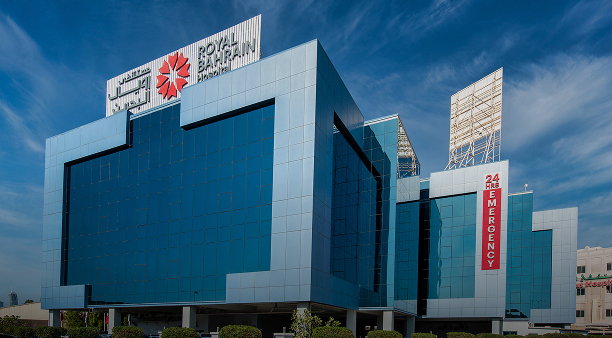
Royal Bahrain Hospital, Salmaniya

Royal Bahrain Hospital, Salmaniya
Orthopedics, Obstetrics and Gynecology, Urology, General Surgery, Cardiology and Plastic Surgery


93
Doctors
77
Beds
15
Services
2011
Established in
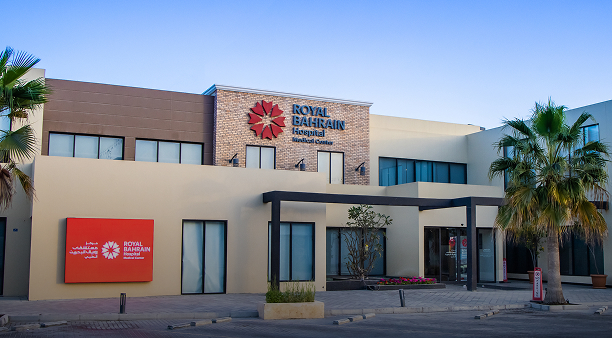
RBH Medical Center, Janabiya
RBH Medical Center, Janabiya
Orthopedics, Obstetrics and Gynecology, Urology, General Surgery and Cardiology
40+
Doctors
10
Services
2021
Established in
More from KIMSHEALTH