Emergency Helpline: 8000 7070+97332181810MyKIMS Login
KIMS Royal Bahrain Hospital

Doctors & Specialities

Explore all Doctors
Explore all Specialities
Explore all Diseases and Conditions
Explore all Procedures
Emergency Helpline: 8000 7070+97332181810Patient StoriesKIMSHEALTH Seha Card

Packages & Services

Explore all Health Packages
Insurance Partner
Explore all Health Services
Emergency Helpline: 8000 7070+97332181810Patient StoriesKIMSHEALTH Seha Card
|
Royal Bahrain Hospital, Salmaniya
RBH Medical Center, Janabiyah
Who We Are
Contact Us
Quality & Accreditations
Leadership
Media & Newsroom
Our Network
Emergency Helpline: 8000 7070+97332181810Patient StoriesKIMSHEALTH Seha Card
Emergency: 8000 7070 +97332181810
  • Explore all DoctorsExplore all SpecialitiesExplore all Diseases and ConditionsExplore all Procedures
  • Explore all Health PackagesInsurance PartnerExplore all Health Services
  • Our Facilities

    Royal Bahrain Hospital, SalmaniyaRBH Medical Center, Janabiyah

    About Us

    Who We AreContact UsQuality & AccreditationsLeadershipMedia & NewsroomOur Network
Emergency Helpline: 8000 7070+97332181810Patient StoriesKIMSHEALTH Seha Card
HomeDoctorsMs. Shipnu Paikkat
Physiotherapy

Ms. Shipnu Paikkat

Physiotherapist

English
RBH Medical Center, Janabiya
Ms. Shipnu Paikkat

About

Ms. Shipnu is a dedicated Physiotherapist providing patient-focused rehabilitation and physiotherapy care to support recovery, mobility, and overall physical well-being. She assists patients with pain management, movement difficulties, post-injury rehabilitation, posture-related concerns, and functional improvement through personalized physiotherapy programs. Her approach focuses on understanding each patient’s condition, improving strength and flexibility, restoring movement, and helping patients return to their daily activities safely and confidently. She works closely with patients to support long-term recovery and better quality of life.

Ms. Shipnu is a dedicated Physiotherapist providing patient-focused rehabilitation and physiotherapy care to support recovery, mobility, and overall physical well-being. She assists patients with pain management, movement difficulties, post-injury rehabilitation, posture-related concerns, and functional improvement through personalized physiotherapy programs. Her approach focuses on understanding each patient’s condition, improving strength and flexibility, restoring movement, and helping patients return to their daily activities safely and confidently. She works closely with patients to support long-term recovery and better quality of life.

Conditions treated

View All
Tennis Elbow
Tennis elbow, or lateral epicondylitis, is an overuse injury affecting the tendons around the elbow. It causes pain on the outer side of the elbow due to repetitive wrist and arm movements. Though common in athletes, it also affects individuals performing repetitive tasks at work. Early management includes rest, strengthening, and activity modification. With proper rehabilitation, pain reduces, and normal arm function can be restored effectively.
Learn Morearrow
Knee Osteoarthritis
Knee osteoarthritis is a degenerative joint disease characterised by the gradual wear of knee cartilage. This leads to pain, stiffness, and reduced mobility. It is common in older adults but may occur earlier due to injury or obesity. As cartilage deteriorates, bones rub together, causing inflammation and discomfort. While it cannot be reversed, proper weight management, strengthening exercises, and physiotherapy significantly reduce pain and improve quality of life.
Learn Morearrow
Ligament Tears (Rehab Phase)
Ligament tears occur when strong connective tissues stabilizing joints are overstretched or ruptured. They commonly affect knees and ankles during sports or accidents. During the rehabilitation phase, the focus is on restoring joint stability, strength, and movement. Controlled exercises help prevent stiffness and muscle weakness. Recovery time varies depending on severity and whether surgery was required. Structured physiotherapy is critical to ensure safe return to daily activities and sports.
Learn Morearrow
Post-Fracture Rehabilitation
Post-fracture rehabilitation focuses on restoring mobility and strength after a fracture. After immobilisation in a cast or surgery, joints may become stiff and muscles weak. Rehabilitation helps regain flexibility, coordination, and functional ability. Early guided movement prevents complications such as joint stiffness or muscle atrophy. A personalized physiotherapy plan ensures safe recovery and gradual return to normal activities while minimizing risk of re-injury.
Learn Morearrow
Post-Surgical Rehab (Orthopedic & Neurological)
Post-surgical rehabilitation is essential after orthopedic or neurological surgeries to restore function and independence. Surgery may correct structural damage but often leads to temporary weakness and stiffness. Rehabilitation focuses on mobility, strength, balance, and coordination. Early intervention reduces complications such as scar tissue formation or muscle wasting. A structured, supervised program ensures safe healing and improves long-term outcomes, enabling patients to return to daily life confidently.
Learn Morearrow
Stroke Rehabilitation
Stroke rehabilitation aims to restore function after a disruption of the blood supply to the brain. Stroke may cause weakness, paralysis, speech difficulty, or balance problems. Early rehabilitation is crucial for maximising recovery potential. Therapy focuses on improving muscle strength, coordination, and independence in daily activities. Recovery varies depending on severity and timing of treatment. Consistent therapy and family support play vital roles in long-term improvement.
Learn Morearrow
Bell’s Palsy Rehabilitation
Bell’s palsy is a temporary facial nerve paralysis causing sudden weakness on one side of the face. It may result from viral inflammation affecting the facial nerve. Individuals may experience difficulty closing their eyes or smiling. Rehabilitation focuses on facial muscle exercises to restore symmetry and prevent stiffness. Most patients recover gradually with proper treatment and therapy support.
Learn Morearrow
Postural Problems
Postural problems occur when the body maintains improper alignment during sitting, standing, or movement. Poor posture places excess strain on muscles and joints, leading to pain and fatigue. It is commonly associated with prolonged screen time and sedentary lifestyle. Over time, imbalances may worsen spinal alignment. Corrective exercises and ergonomic adjustments help restore alignment and prevent chronic musculoskeletal issues.
Learn Morearrow
Pediatric Developmental Delay (Motor)
Pediatric motor developmental delay occurs when a child does not achieve physical milestones at the expected age. This may include delays in sitting, crawling, standing, or walking. Causes vary from neurological conditions to muscle weakness. Early identification is essential to maximize developmental potential. Physiotherapy and early intervention programs focus on improving strength, coordination, and motor skills, helping children achieve greater independence and functional ability.
Learn Morearrow
Sports Injuries
Sports injuries occur during physical activity due to improper technique, overuse, inadequate warm-up, or sudden impact. They may affect muscles, ligaments, tendons, or bones. Common injuries include sprains, strains, fractures, and dislocations. Severity can range from mild muscle soreness to serious ligament tears. Early diagnosis and structured rehabilitation are essential to restore strength, flexibility, and function. With proper recovery programs and gradual return to sport, long-term complications can be prevented effectively.
Learn Morearrow
Cervical & Lumbar Spondylosis
Cervical and lumbar spondylosis refer to age-related wear and tear affecting the spine in the neck and lower back. It involves degeneration of discs, joints, and vertebrae, leading to stiffness and pain. As discs lose hydration and height, nerve compression may occur, causing radiating pain or numbness. It commonly develops with ageing but may worsen with poor posture or repetitive strain. Early physiotherapy, posture correction, and strengthening exercises help manage symptoms and slow progression effectively.
Learn Morearrow
Sciatica
Sciatica is nerve pain caused by irritation or compression of the sciatic nerve, which runs from the lower back down the legs. It often results from a disc herniation or spinal narrowing. The pain may range from mild discomfort to severe shooting pain affecting one leg. Early treatment focuses on relieving nerve pressure and improving mobility. With guided exercises and posture correction, most individuals recover without surgery and regain normal daily functioning.
Learn Morearrow
Neck Pain
Neck pain is discomfort or stiffness in the cervical spine region. Often developing due to poor posture, long hours of screen use, muscle strain, or injury. Neck pain may limit movement and sometimes radiate to the shoulders or arms. While most cases improve with rest and exercise, persistent pain may indicate underlying spinal issues. Early intervention, ergonomic correction, and strengthening exercises are key to recovery and prevention.
Learn Morearrow
Frozen shoulder
Frozen shoulder is stiffness and pain in the shoulder joint caused by inflammation of the capsule. Risk factors include diabetes and post-injury or post-surgery immobility. Diagnosis is made through physical examination and MRI. Complications can include prolonged stiffness and muscle weakness. Management emphasizes early mobilization, regular stretching, physiotherapy, and gradual restoration of shoulder motion to reduce pain and prevent long-term functional limitations.
Learn Morearrow
Low Back Pain
Low back pain is a common musculoskeletal condition affecting the lower spine. It may result from poor posture, muscle strain, disc problems, or prolonged sitting. The pain can range from mild discomfort to severe, disabling pain that affects daily activities. Most cases improve with rest, physiotherapy, and strengthening exercises. However, chronic low back pain may require structured rehabilitation and lifestyle changes to prevent recurrence and maintain spinal health.
Learn Morearrow
Previous
Next

Available at

Find Us at Our Facilities
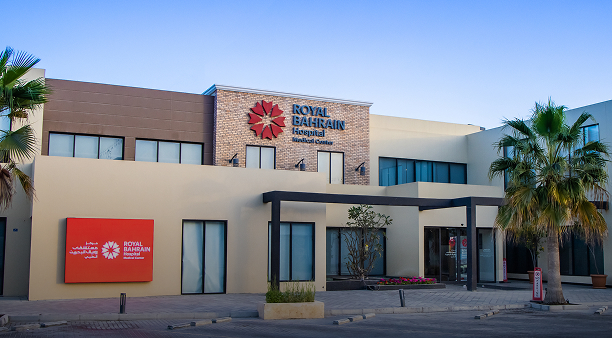
RBH Medical Center, Janabiya Image

RBH Medical Center, Janabiya

RBH Medical Center, Janabiya Background Image

RBH Medical Center, Janabiya

Orthopedics, Obstetrics and Gynecology, Urology, General Surgery and Cardiology

+973 1724 6800

Get Directions

40+

Doctors

10

Services

2021

Established in

Learn More About This Facility

More from KIMSHEALTH

Looking for something else?

Insurance Partners

Insurance Partners

Health Packages

Health Packages

KIMSHEALTH App

KIMSHEALTH App

Footer Background
Footer Logo

Our Facilities

  • Salmaniya (Hospital)
  • Janabiyah (Medical Centre)

Specialities

Contact Us

Plan Your Visit

  • Find a Doctor
  • Find Insurance Partner
  • KIMSHEALTH Seha Card

Packages & Services

  • Health Packages
  • Health at Home
  • Dialysis
  • Maternity Packages

Support

  • Patient & Visitor FAQs
  • Regional Sitemap

Health Library

Careers

  • Life at KIMSHEALTH
  • Job Listings

Smartphone-Free Childhood Bahrain

ACCN Course Payment

Copyright © 2026. KIMSHEALTH. All Rights Reserved

Instagram IconFacebook IconSnapchat IconTiktok Icon

Download the App

Google PlayApp Store