Emergency Helpline: 8000 7070+97332181810MyKIMS Login
KIMS Royal Bahrain Hospital

Doctors & Specialities

Explore all Doctors
Explore all Specialities
Explore all Diseases and Conditions
Explore all Procedures
Emergency Helpline: 8000 7070+97332181810Patient StoriesKIMSHEALTH Seha Card

Packages & Services

Explore all Health Packages
Insurance Partner
Explore all Health Services
Emergency Helpline: 8000 7070+97332181810Patient StoriesKIMSHEALTH Seha Card
|
Royal Bahrain Hospital, Salmaniya
RBH Medical Center, Janabiyah
Who We Are
Contact Us
Quality & Accreditations
Leadership
Media & Newsroom
Our Network
Emergency Helpline: 8000 7070+97332181810Patient StoriesKIMSHEALTH Seha Card
Emergency: 8000 7070 +97332181810
  • Explore all DoctorsExplore all SpecialitiesExplore all Diseases and ConditionsExplore all Procedures
  • Explore all Health PackagesInsurance PartnerExplore all Health Services
  • Our Facilities

    Royal Bahrain Hospital, SalmaniyaRBH Medical Center, Janabiyah

    About Us

    Who We AreContact UsQuality & AccreditationsLeadershipMedia & NewsroomOur Network
Emergency Helpline: 8000 7070+97332181810Patient StoriesKIMSHEALTH Seha Card
HomeSpecialitiesENT

ENT

ENTENT

About the Speciality

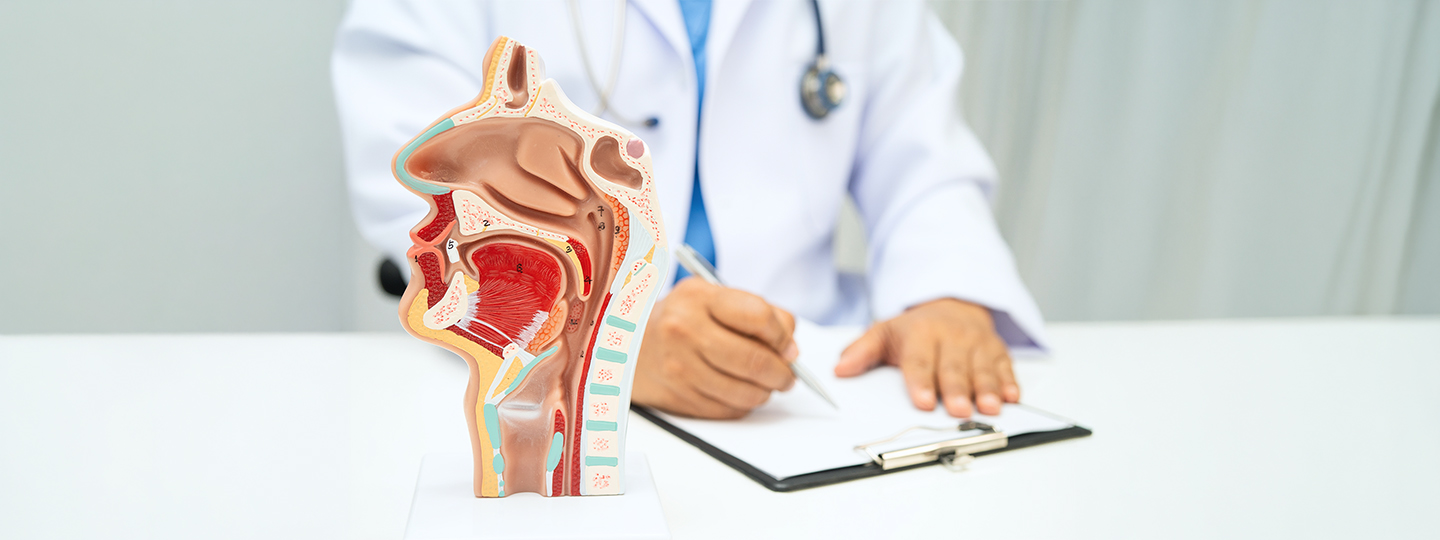
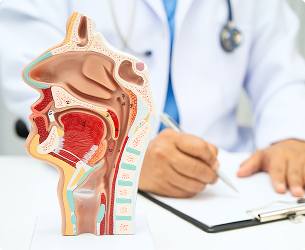
Our ENT Department delivers specialist care from routine ear, nose, and throat conditions to complex skull-base and head-and-neck surgery. Our multidisciplinary team of otolaryngologists, audiologists and allied specialists provides advanced endoscopic and microscopic procedures, cochlear implantation and full audiology services, supported by dedicated theatres and modern diagnostics. We use minimally invasive techniques (coblation, balloon sinuplasty, image-guided endoscopy, PRP) and run specialist clinics for sinus & skull-base surgery, snoring & sleep apnea, pediatric ENT and head-and-neck oncology. Care is coordinated with reconstructive and oncology teams to ensure precise, safe and patient-centred outcomes.

Relevant diseases
& conditions

View All
Voice and Speech Problems
Voice and speech problems encompass difficulties in producing sounds, articulating words, or controlling pitch and volume. Causes include vocal cord nodules, paralysis, laryngitis, neurological disorders, developmental speech delays, or post-surgical complications. These issues can affect communication, social interaction, and quality of life. Diagnosis involves ENT evaluation, laryngoscopy, and speech-language assessment. Management includes targeted voice and speech therapy, medical treatment of underlying conditions, and sometimes surgical intervention to restore proper vocal function and improve speech clarity.
Learn Morearrow
Vertigo (Balance Disorders)
Vertigo is a sensation of spinning, dizziness, or imbalance, often caused by problems in the inner ear or vestibular system. It can result from benign paroxysmal positional vertigo (BPPV), labyrinthitis, Meniere’s disease, or vestibular neuritis. Symptoms may include nausea, vomiting, unsteady gait, and difficulty focusing. Vertigo can significantly affect daily activities and quality of life. Diagnosis involves physical examination, vestibular testing, and sometimes imaging, while treatment includes medications, vestibular rehabilitation, and lifestyle modifications.
Learn Morearrow
Tonsillitis (Inflammation of the Tonsils)
Tonsillitis is the inflammation of the tonsils, typically caused by viral or bacterial infections. It leads to sore throat, difficulty swallowing, fever, and swollen lymph nodes. Recurrent or severe tonsillitis may result in complications such as abscess formation, sleep disturbances, or breathing obstruction. Diagnosis is made through throat examination, rapid strep testing, or culture. Management includes symptomatic relief, antibiotics for bacterial causes, and, in recurrent or chronic cases, surgical removal of tonsils (tonsillectomy).
Learn Morearrow
Tinnitus (Ringing in Ears)
Tinnitus is the perception of ringing, buzzing, or hissing sounds in the ears without an external source. It can be temporary or chronic and may affect one or both ears. Causes include age-related hearing loss, noise exposure, ear infections, wax buildup, or underlying medical conditions such as hypertension or neurological disorders. While not always curable, tinnitus management focuses on treating underlying causes, reducing symptom severity, and improving quality of life through therapies, hearing aids, or sound masking techniques.
Learn Morearrow
Thyroid Diseases
Thyroid diseases affect the function of the thyroid gland, which regulates metabolism, growth, and energy through hormone production. Common conditions include hypothyroidism (underactive thyroid), hyperthyroidism (overactive thyroid), goiter (enlarged thyroid), thyroid nodules, and autoimmune disorders like Hashimoto’s thyroiditis or Graves’ disease. Symptoms vary depending on hormone imbalance and may affect energy levels, weight, heart rate, and mood. Early diagnosis through blood tests and imaging allows effective medical, surgical, or radioactive treatments to restore normal thyroid function.
Learn Morearrow
Snoring / Sleep Apnea
Snoring occurs when airflow is partially blocked during sleep, causing vibrations in the throat tissues. Sleep apnea is a more serious disorder where breathing repeatedly stops and starts during sleep, often due to airway obstruction (obstructive sleep apnea) or neurological issues (central sleep apnea). Both conditions can lead to poor sleep quality, daytime fatigue, cardiovascular complications, and cognitive issues. Diagnosis is made through sleep studies, and treatment ranges from lifestyle modifications and CPAP therapy to surgery in severe cases.
Learn Morearrow
Sinusitis (Sinus Infection / Inflammation)
Sinusitis is the inflammation of the sinus cavities, often caused by bacterial, viral, or fungal infections, as well as allergies or nasal obstructions. It leads to impaired sinus drainage, causing pain, pressure, congestion, and sometimes fever. Sinusitis can be acute (short-term) or chronic (lasting more than 12 weeks). Early diagnosis and proper management help relieve symptoms, prevent complications such as chronic infections, and improve breathing and quality of life.
Learn Morearrow
Pharyngitis (Sore Throat)
Pharyngitis is the inflammation of the pharynx, causing throat pain, irritation, and discomfort, especially during swallowing. It is commonly caused by viral infections such as the common cold or flu, but can also result from bacterial infections like streptococcal throat infection. Pharyngitis may occur alone or along with fever, cough, or nasal symptoms. While most cases are mild and self-limiting, bacterial pharyngitis requires timely treatment to prevent complications such as rheumatic fever or abscess formation.
Learn Morearrow
Nose Allergies / Sinusitis
Nose allergies (allergic rhinitis) occur when the nasal lining reacts to allergens such as dust, pollen, or pet dander, causing inflammation. Sinusitis is the inflammation of the sinus cavities, often developing when allergies, infections, or nasal blockage prevent normal mucus drainage. Together, they can lead to persistent nasal symptoms, facial discomfort, and recurrent infections. The condition may be seasonal or chronic. Early diagnosis and proper management help control symptoms, improve breathing, and prevent complications.
Learn Morearrow
Hearing Loss
Hearing loss is a partial or complete reduction in the ability to hear sounds and can affect one or both ears. It may be conductive (outer or middle ear problems), sensorineural (inner ear or nerve damage), or mixed. Causes range from infections, noise exposure, and ageing to congenital conditions and trauma. Hearing loss can impact speech development, communication, learning, and quality of life. Early diagnosis through hearing tests enables timely treatment with medications, hearing aids, therapy, or surgery.
Learn Morearrow
Nasal Polyps / Sinusitis
Nasal polyps are soft, painless, noncancerous growths that develop in the lining of the nasal passages or sinuses due to chronic inflammation. Sinusitis refers to inflammation of the sinus cavities, often associated with infection, allergy, or obstruction. When nasal polyps coexist with sinusitis, they can block normal sinus drainage, leading to persistent congestion, facial pressure, and recurrent infections. The condition may be acute or chronic and is diagnosed through clinical examination, nasal endoscopy, or imaging. Treatment includes medications and, in severe cases, surgery.
Learn Morearrow
Ear Infections (Otitis Media / Otitis Externa)
Ear infections are common conditions affecting the middle ear (otitis media) or outer ear canal (otitis externa). Otitis media is frequently seen in children and often follows upper respiratory infections, causing fluid buildup behind the eardrum. Otitis externa, also known as swimmer’s ear, results from infection or inflammation of the ear canal, usually due to moisture or injury. Both conditions can cause pain, hearing discomfort, and irritation. Early diagnosis and appropriate treatment prevent complications and hearing problems.
Learn Morearrow
Diseases of Ear, Nose, Throat, Head & Neck
A deviated nasal septum (DNS) occurs when the thin wall between the nostrils (septum) is displaced to one side, causing nasal obstruction. It can result from congenital factors or trauma and may lead to difficulty breathing, chronic sinus infections, snoring, or nosebleeds. Mild cases may be asymptomatic, while severe deviations can impact quality of life. Diagnosis is usually through physical examination and nasal endoscopy. Treatment ranges from medical management with decongestants to surgical correction via septoplasty.
Learn Morearrow
Deviated Nasal Septum (DNS)
A deviated nasal septum (DNS) occurs when the thin wall between the nostrils (septum) is displaced to one side, causing nasal obstruction. It can result from congenital factors or trauma and may lead to difficulty breathing, chronic sinus infections, snoring, or nosebleeds. Mild cases may be asymptomatic, while severe deviations can impact quality of life. Diagnosis is usually through physical examination and nasal endoscopy. Treatment ranges from medical management with decongestants to surgical correction via septoplasty.
Learn Morearrow
Previous
Next

Procedures & treatments provided

View All
Voice & Speech Therapy
Voice and speech therapy is a specialised rehabilitation program aimed at improving speech clarity, voice quality, and communication skills. It is used to treat conditions like vocal cord nodules, hoarseness, speech delays, stuttering, post-laryngectomy voice loss, and neurological speech disorders. Therapy involves tailored exercises for breathing, articulation, pitch, resonance, and vocal hygiene. Conducted by certified speech-language pathologists, the therapy helps restore functional communication, reduce strain, prevent further voice damage, and enhance overall quality of life.
Learn Morearrow
Vestibular Rehabilitation Therapy
Vestibular Rehabilitation Therapy (VRT) is a specialised form of physical therapy designed to treat dizziness, vertigo, balance disorders, and vestibular dysfunction. It involves tailored exercises that improve gaze stability, posture, and balance while retraining the brain to compensate for inner ear deficits. VRT is effective for conditions such as benign paroxysmal positional vertigo (BPPV), labyrinthitis, vestibular neuritis, and post-concussion dizziness. The therapy is non-invasive, personalised, and can significantly reduce symptoms while improving overall mobility and quality of life.
Learn Morearrow
Turbinate Surgery
Turbinate surgery is a surgical procedure to reduce the size of the nasal turbinates—structures inside the nose that humidify and filter air. Enlarged turbinates can cause chronic nasal obstruction, congestion, and breathing difficulties. The procedure may involve partial removal, reduction, or radiofrequency treatment of the turbinates to improve airflow while preserving nasal function. Turbinate surgery is minimally invasive, performed under local or general anaesthesia, and provides long-term relief from nasal obstruction and improved quality of life.
Learn Morearrow
Treatment for Allergic Rhinitis & Sinusitis
Treatment for allergic rhinitis and sinusitis focuses on reducing symptoms, controlling inflammation, and preventing recurrence. Management may include antihistamines, nasal corticosteroid sprays, decongestants, saline nasal irrigation, and leukotriene receptor antagonists. For bacterial sinusitis, antibiotics may be prescribed. Avoidance of allergens and irritants is essential for allergic rhinitis, while lifestyle modifications and supportive care improve comfort and reduce complications. Early and appropriate treatment relieves nasal congestion, sneezing, post-nasal drip, and facial pain to improve breathing and overall quality of life.
Learn Morearrow
Tonsillectomy & Adenoidectomy
Tonsillectomy is a surgical procedure to remove the tonsils, while adenoidectomy removes the adenoids. These procedures are commonly performed in children and adults with recurrent throat infections, obstructive sleep apnea, or enlarged tonsils/adenoids causing breathing difficulties. Surgery improves airway function, reduces infections, and alleviates snoring or sleep disturbances. Typically performed under general anaesthesia, the procedures are safe and effective, with post-operative care focusing on pain management, infection prevention, and gradual return to normal diet and activities.
Learn Morearrow
Sinus Wash (Antral Wash)
Sinus wash, also called antral wash or sinus irrigation, is a minor ENT procedure used to flush out pus, mucus, or debris from the maxillary sinuses. It helps relieve symptoms of acute or chronic sinus infections, facial pain, and congestion. The procedure involves inserting a cannula into the sinus through the nasal cavity or small puncture, irrigating with saline or antiseptic solutions. Sinus wash is quick, minimally invasive, and often performed in outpatient settings to improve sinus drainage and comfort.
Learn Morearrow
Septoplasty & Septorhinoplasty
Septoplasty is a surgical procedure to correct a deviated nasal septum, improving airflow and relieving nasal obstruction. Septorhinoplasty combines septoplasty with rhinoplasty to also reshape or reconstruct the external nose for cosmetic or functional purposes. These procedures address breathing difficulties, chronic congestion, snoring, or nasal deformities due to trauma or congenital conditions. Performed under general or local anaesthesia, they restore nasal function, enhance appearance, and improve overall quality of life with careful post-operative care.
Learn Morearrow
Polypectomy
Polypectomy is a medical or surgical procedure performed to remove polyps—abnormal tissue growths—from organs such as the nasal cavity, colon, or uterus. In ENT, nasal polypectomy removes nasal polyps that cause obstruction, congestion, or recurrent sinus infections. In gastroenterology, colon polypectomy prevents progression to colorectal cancer. The procedure is minimally invasive, often performed endoscopically, and aims to relieve symptoms, restore normal function, and reduce risk of complications. Recovery is usually quick with proper care.
Learn Morearrow
Pharyngitis Treatment
Pharyngitis treatment focuses on relieving symptoms and addressing the underlying cause, whether viral or bacterial. Viral pharyngitis is managed with supportive care such as hydration, pain relief, throat lozenges, and rest. Bacterial pharyngitis, commonly caused by Streptococcus species, is treated with antibiotics to prevent complications like rheumatic fever. Adjunct therapies may include antiseptic gargles, anti-inflammatory medications, and lifestyle modifications. Early and appropriate management reduces discomfort, shortens illness duration, and prevents the spread of infection.
Learn Morearrow
Nasal Packing
Nasal packing is a medical procedure used to control nosebleeds (epistaxis) or support the nasal cavity after surgery or trauma. Sterile gauze, balloon, or absorbable materials are inserted into the nasal passage to apply pressure, stop bleeding, and stabilise tissues. The procedure provides immediate hemostasis, prevents re-bleeding, and allows healing. Nasal packing may be temporary or absorbable and is usually performed in an ENT clinic or hospital setting under local anaesthesia.
Learn Morearrow
Nasal Endoscopy
Nasal endoscopy is a minimally invasive diagnostic procedure that allows direct visualisation of the nasal cavity, sinuses, and nasopharynx using a thin, flexible or rigid endoscope. It helps detect nasal polyps, sinus infections, structural abnormalities, tumours, or sources of nosebleeds. The procedure is safe, quick, and usually performed in an outpatient setting. Nasal endoscopy assists in diagnosis, guides treatment plans, and can be combined with minor surgical interventions when needed.
Learn Morearrow
Myringotomy With or Without Grommet Insertion
Myringotomy is a minor surgical procedure in which a small incision is made in the eardrum (tympanic membrane) to drain fluid from the middle ear. In some cases, a grommet (tympanostomy tube) is inserted to keep the ear ventilated and prevent fluid re-accumulation. This procedure is commonly performed in children with recurrent ear infections or persistent fluid, and adults with chronic otitis media. It relieves pressure, improves hearing, and reduces the risk of infection.
Learn Morearrow
Medical Management of Ear Infections
Medical management of ear infections involves the use of medications and supportive care to treat bacterial, viral, or fungal infections affecting the outer, middle, or inner ear. Common treatments include antibiotics for bacterial infections, antifungal drops for fungal infections, analgesics for pain relief, and decongestants to reduce swelling. Early diagnosis and appropriate therapy prevent complications such as hearing loss, chronic infections, or spread to surrounding structures. Management also includes patient education on ear hygiene and preventive measures.
Learn Morearrow
Laryngoscopy & Microlaryngeal Surgery
Laryngoscopy is a diagnostic procedure to visualize the larynx, vocal cords, and surrounding structures using a flexible or rigid scope. Microlaryngeal surgery (MLS) is a precision surgical procedure performed under a microscope to remove lesions such as nodules, polyps, cysts, or early tumors from the vocal cords. MLS allows targeted treatment while preserving vocal function. Both procedures are usually done under general anesthesia and are essential for diagnosing, treating, and monitoring laryngeal conditions and voice disorders.
Learn Morearrow
Injury Repair (Nose, Face, Ear)
Injury repair of the nose, face, or ear is a surgical or minor procedure to restore structure, function, and appearance following trauma. It may involve cleaning the wound, suturing lacerations, realigning cartilage or bone, and managing soft tissue damage. Timely repair prevents infection, scarring, and functional impairment such as hearing loss or nasal obstruction. These procedures are usually performed under local or general anesthesia depending on severity, with careful post-procedure monitoring to ensure optimal healing.
Learn Morearrow
Incision & Drainage (I&D)
Incision and drainage (I&D) is a minor surgical procedure performed to treat abscesses or localized collections of pus caused by infection. A small incision is made over the abscess to allow pus to drain, relieving pain, pressure, and infection. The area may be cleaned, packed with sterile material, and dressed. I&D is a quick, effective, and commonly performed outpatient procedure that helps prevent the spread of infection and promotes healing.
Learn Morearrow
Hearing Tests (Audiometry, Tympanometry)
Hearing tests such as audiometry and tympanometry are non-invasive procedures used to assess hearing ability and middle ear function. Audiometry measures hearing sensitivity across frequencies to detect hearing loss, while tympanometry evaluates eardrum movement and middle ear pressure. These tests help diagnose sensorineural or conductive hearing loss, guide treatment, and monitor hearing health. They are painless, quick, and essential for hearing screening, especially in children, adults with hearing concerns, and patients exposed to loud noise or ototoxic medications.
Learn Morearrow
Functional Endoscopic Sinus Surgery (FESS)
Functional Endoscopic Sinus Surgery (FESS) is a minimally invasive ENT procedure performed to treat chronic sinusitis, nasal polyps, and sinus blockages that do not respond to medical therapy. Using an endoscope, the surgeon removes obstructions and improves sinus drainage while preserving normal anatomy. FESS reduces symptoms such as nasal congestion, facial pain, and recurrent infections. It is typically performed under general anaesthesia, allows faster recovery, and improves breathing and overall sinus function.
Learn Morearrow
Foreign Body Removal (Ear / Nose / Throat)
Foreign body removal in the ear, nose, or throat is a common ENT procedure performed to extract objects that have become lodged in these areas, causing discomfort, infection, or breathing difficulties. The procedure uses specialised tools, suction, or endoscopic guidance to safely remove the object while minimising trauma. It is usually quick, performed under local anaesthesia, and helps restore normal function, prevent complications, and relieve pain or obstruction.
Learn Morearrow
Fine Needle Aspiration (FNAC)
Fine Needle Aspiration Cytology (FNAC) is a minimally invasive diagnostic procedure used to sample cells from lumps, nodules, or masses for examination under a microscope. A thin, fine needle is inserted into the suspicious area to withdraw cells, which are then analysed to detect infections, inflammation, or malignancy. FNAC is safe, quick, usually performed under local anaesthesia, and often done in an outpatient setting. It helps in early diagnosis and guides further treatment.
Learn Morearrow
Excision of Cysts
Excision of cysts is a minor surgical procedure performed to remove cysts—fluid- or tissue-filled sacs that can form on the skin, scalp, or other body areas. The procedure involves making a small incision, removing the cyst along with its capsule to prevent recurrence, and closing the site with sutures. It relieves discomfort, prevents infection, and improves cosmetic appearance. The surgery is usually performed under local anesthesia in an outpatient setting with minimal downtime.
Learn Morearrow
Epley’s Maneuver (Vertigo Treatment)
Epley’s maneuver is a safe and effective treatment for benign paroxysmal positional vertigo (BPPV), a condition caused by displaced calcium crystals in the inner ear. The procedure involves a series of guided head and body movements designed to reposition the crystals from the semicircular canals back to their proper location, alleviating vertigo and dizziness. It is non-invasive, usually performed in a clinic setting, and often provides immediate or rapid relief from vertigo symptoms.
Learn Morearrow
Epistaxis Cauterisation & Management
Epistaxis cauterization and management is a medical procedure to control recurrent or severe nosebleeds. It involves identifying the bleeding site in the nasal cavity and applying chemical or electrical cautery to seal blood vessels. This stops active bleeding and prevents recurrence. Supportive management may include nasal packing, topical medications, and treating underlying causes like hypertension or clotting disorders. The procedure is quick, safe, and often performed in an outpatient ENT setting.
Learn Morearrow
Endoscopic Evaluation of Throat & Larynx
Endoscopic evaluation of the throat and larynx is a diagnostic procedure used to visualise the vocal cords, pharynx, and larynx using a flexible or rigid endoscope. It helps detect abnormalities such as inflammation, vocal cord nodules, tumours, infections, or structural issues. The procedure is minimally invasive, allows real-time assessment, and can guide further treatment or biopsy if needed. It provides an accurate visualisation of throat and voice-related disorders with minimal discomfort.
Learn Morearrow
Endoscopic DCR
Endoscopic Dacryocystorhinostomy (DCR) is a minimally invasive ENT procedure to treat blocked tear ducts (nasolacrimal duct obstruction). Using an endoscope through the nasal passage, the surgeon creates a new drainage pathway from the lacrimal sac to the nasal cavity, bypassing the obstruction. This restores normal tear drainage, reduces excessive tearing, and prevents recurrent infections. Endoscopic DCR avoids external incisions, provides faster recovery, and has high success rates with minimal scarring.
Learn Morearrow
Ear Suction & Ear Packing
Ear suction and ear packing are ENT procedures used to clean the ear canal and control bleeding, discharge, or infection. Ear suction removes pus, blood, fluid, or debris using gentle suction under direct vision, improving hearing and comfort. Ear packing involves placing sterile medicated material inside the ear canal to absorb discharge, apply medication, or support healing after infection, trauma, or surgery. These procedures are safe, effective, and commonly performed in outpatient ENT settings.
Learn Morearrow
Ear Piercing
Ear piercing is a simple, quick procedure performed to create a small opening in the earlobe or cartilage for wearing earrings. When done in a medical setting, it uses sterile equipment and hygienic techniques to minimise pain, infection, and scarring. Medical ear piercing is suitable for children and adults and ensures proper placement and safety. The procedure causes minimal discomfort and heals well with appropriate aftercare and hygiene.
Learn Morearrow
Ear Lobe Repair & Keloid/Scar Removal
Ear lobe repair and keloid or scar removal are minor surgical procedures performed to correct torn, stretched, or split earlobes and to remove abnormal scar tissue. These conditions often result from heavy earrings, trauma, or piercing complications. The procedure restores the natural shape of the earlobe and improves cosmetic appearance. Keloid removal may be combined with additional treatments to reduce recurrence. These are usually daycare procedures with minimal discomfort and quick recovery.
Learn Morearrow
Ear Drum Repair (Tympanoplasty)
Tympanoplasty is a surgical procedure performed to repair a perforated or damaged eardrum (tympanic membrane). The surgery helps restore hearing, prevent recurrent ear infections, and protect the middle ear from water and bacteria. A graft, usually taken from the patient’s own tissue, is used to close the perforation. Tympanoplasty is a safe and effective ENT procedure, commonly done under general anaesthesia, with high success rates and long-term improvement in ear health.
Learn Morearrow
Ear Cleaning, Wax Removal & Microsuction
Ear cleaning, wax removal, and microsuction are safe ENT procedures used to remove excess or impacted earwax from the ear canal. Microsuction uses gentle suction under magnification to precisely clear wax without water, making it the gold standard for earwax removal. These procedures relieve symptoms such as hearing loss, ear fullness, ringing, itching, or dizziness. When performed by trained professionals, they are quick, effective, and usually painless, allowing clear visualisation of the ear canal and eardrum.
Learn Morearrow
CPAP Therapy
CPAP (Continuous Positive Airway Pressure) therapy is a common treatment for obstructive sleep apnea (OSA), a condition where the airway collapses during sleep, causing interrupted breathing. CPAP delivers a constant stream of pressurised air through a mask to keep the airway open, improving oxygenation and sleep quality. Regular use reduces daytime sleepiness, lowers cardiovascular risk, and improves overall health. CPAP therapy is non-invasive, effective, and often part of a comprehensive sleep apnea management plan.
Learn Morearrow
Removal of Impacted Cerumen
Removal of impacted cerumen is a simple ENT procedure to clear hardened earwax that blocks the ear canal and causes symptoms like hearing loss, ear fullness, pain, or dizziness. The procedure may be done using microsuction, irrigation, or manual instruments under direct vision. It is safe, quick, and usually painless when performed by trained healthcare professionals. Clearing impacted cerumen restores hearing, reduces discomfort, and allows proper examination of the ear canal and eardrum.
Learn Morearrow
Previous
Next

Our Doctors

Expert care, now within reach
View All
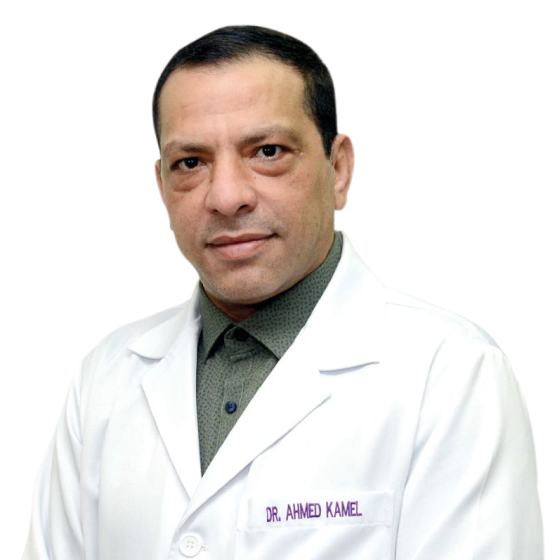
Dr. Ahmed Kamel
More Infoarrow

Dr. Ahmed Kamel

Consultant, ENT

Languages
  • Arabic
  • English
Location
  • Janabiya
  • Medical Centre
Location
  • Salmaniya
  • Hospital
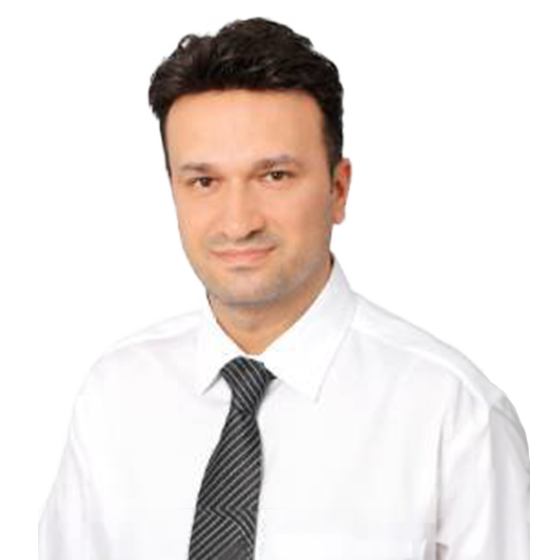
Dr. Emre Murat Koc
More Infoarrow

Dr. Emre Murat Koc

Consultant, ENT

Languages
  • Turkish
  • English
Location
  • Janabiya
  • Medical Centre
Location
  • Salmaniya
  • Hospital
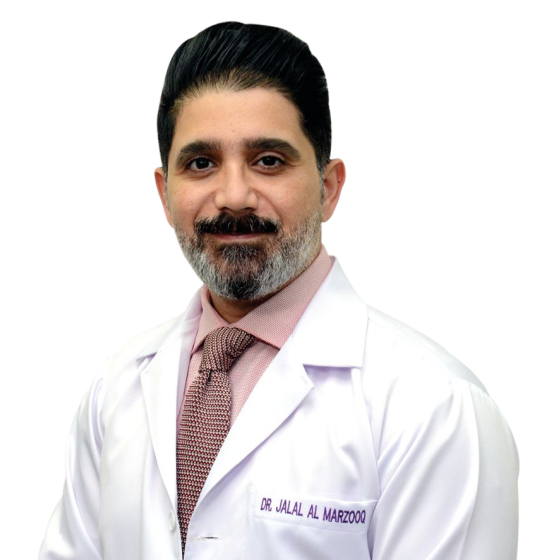
Dr. Jalal Al Marzooq
More Infoarrow

Dr. Jalal Al Marzooq

Consultant, ENT

Languages
  • Arabic
  • English
Location
  • Janabiya
  • Medical Centre
Location
  • Salmaniya
  • Hospital
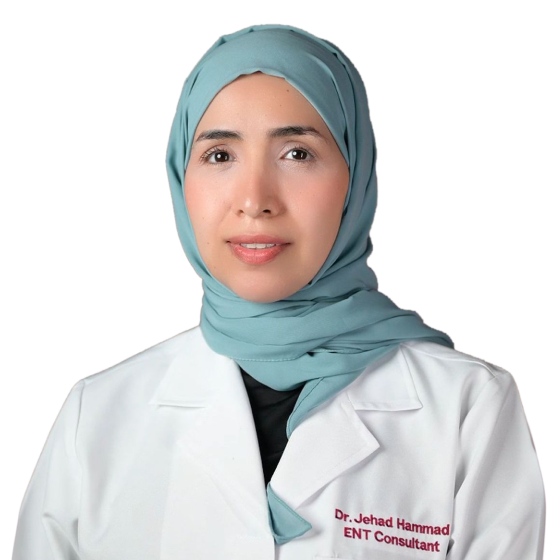
Dr. Jehad Hammad
More Infoarrow

Dr. Jehad Hammad

Consultant, ENT (Head and Neck Surgeon)

Location
  • Janabiya
  • Medical Centre
Location
  • Salmaniya
  • Hospital
Left Arrow
Left Arrow

Available at

Find Us at Our Facilities

Royal Bahrain Hospital, Salmaniya Image

Royal Bahrain Hospital, Salmaniya

Royal Bahrain Hospital, Salmaniya Background Image

Royal Bahrain Hospital, Salmaniya

Orthopedics, Obstetrics and Gynecology, Urology, General Surgery, Cardiology and Plastic Surgery

+973 1724 6800

Get Directions

93

Doctors

77

Beds

15

Services

2011

Established in
Learn More About This Facility
RBH Medical Center, Janabiya Image

RBH Medical Center, Janabiya

RBH Medical Center, Janabiya Background Image

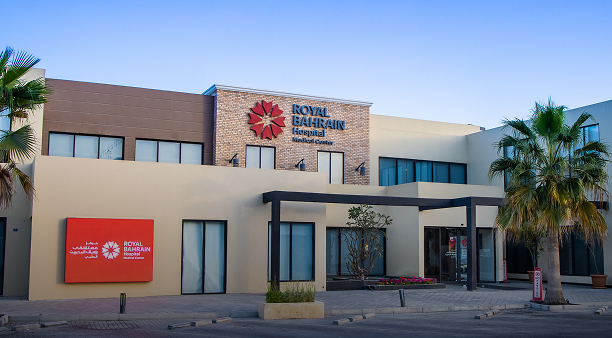
RBH Medical Center, Janabiya

Orthopedics, Obstetrics and Gynecology, Urology, General Surgery and Cardiology

+973 1724 6800

Get Directions

40+

Doctors

10

Services

2021

Established in

Learn More About This Facility

More from KIMSHEALTH

Looking for something else?

Insurance Partners

Insurance Partners

Health Packages

Health Packages

KIMSHEALTH App

KIMSHEALTH App

Footer Background
Footer Logo

Our Facilities

  • Salmaniya (Hospital)
  • Janabiyah (Medical Centre)

Specialities

Contact Us

Plan Your Visit

  • Find a Doctor
  • Find Insurance Partner
  • KIMSHEALTH Seha Card

Packages & Services

  • Health Packages
  • Health at Home
  • Dialysis
  • Maternity Packages

Support

  • Patient & Visitor FAQs
  • Regional Sitemap

Health Library

Careers

  • Life at KIMSHEALTH
  • Job Listings

Smartphone-Free Childhood Bahrain

ACCN Course Payment

Copyright © 2026. KIMSHEALTH. All Rights Reserved

Instagram IconFacebook IconSnapchat IconTiktok Icon

Download the App

Google PlayApp Store