

Emergency Helpline: 8000 7070+97332181810MyKIMS Login
KIMS Royal Bahrain Hospital

Doctors & Specialities

Explore all Doctors
Explore all Specialities
Explore all Diseases and Conditions
Explore all Procedures
Emergency Helpline: 8000 7070+97332181810Patient StoriesKIMSHEALTH Seha Card

Packages & Services

Explore all Health Packages
Insurance Partner
Explore all Health Services
Emergency Helpline: 8000 7070+97332181810Patient StoriesKIMSHEALTH Seha Card
|
Royal Bahrain Hospital, Salmaniya
RBH Medical Center, Janabiyah
Who We Are
Contact Us
Quality & Accreditations
Leadership
Media & Newsroom
Our Network
Emergency Helpline: 8000 7070+97332181810Patient StoriesKIMSHEALTH Seha Card
Emergency: 8000 7070 +97332181810
  • Explore all DoctorsExplore all SpecialitiesExplore all Diseases and ConditionsExplore all Procedures
  • Explore all Health PackagesInsurance PartnerExplore all Health Services
  • Our Facilities

    Royal Bahrain Hospital, SalmaniyaRBH Medical Center, Janabiyah

    About Us

    Who We AreContact UsQuality & AccreditationsLeadershipMedia & NewsroomOur Network
Emergency Helpline: 8000 7070+97332181810Patient StoriesKIMSHEALTH Seha Card
HomeSpecialitiesFamily Medicine

Family Medicine

Family MedicineFamily Medicine

About the Speciality

Our Institute of Family Medicine provides continuous, comprehensive primary care for all ages, from newborns to older adults. Our family physicians deliver evidence-based management of acute and chronic conditions, preventive health (including vaccinations and screening), minor procedures and mental-health support, while coordinating specialist referrals when needed. Services include general OPD, corporate and school health programmes, community outreach, home visits and tailored wellness initiatives. We focus on patient-centred care, shared decision-making and long-term partnerships to keep families healthy and to simplify complex care pathways.

Relevant diseases
& conditions

View All
Hypertension
Hypertension, or high blood pressure, is a chronic condition where the force of blood against artery walls remains persistently elevated. Over time, uncontrolled hypertension increases the risk of heart disease, stroke, kidney damage, and other complications. It often has no noticeable symptoms, earning it the name “silent killer.” Early detection through regular monitoring and proper management with lifestyle changes and medication can significantly reduce long-term health risks.
Learn Morearrow
Menopause
Menopause is a natural biological stage marking the end of a woman’s menstrual cycles, typically occurring between ages 45 and 55. It is diagnosed after twelve consecutive months without menstruation. Hormonal changes, particularly declining estrogen levels, cause various physical and emotional symptoms. While menopause is not a disease, it can significantly affect quality of life. Proper medical guidance, lifestyle adjustments, and supportive care can help women manage symptoms comfortably.
Learn Morearrow
Diabetes
Diabetes is a chronic metabolic disorder characterized by elevated blood glucose levels due to insufficient insulin production or resistance to insulin. Over time, uncontrolled diabetes can damage the heart, kidneys, nerves, and eyes. It is broadly classified into Type 1, Type 2, and gestational diabetes. Early diagnosis, lifestyle modification, regular monitoring, and appropriate medication are essential to prevent long-term complications and maintain overall health.
Learn Morearrow
Dyslipidemia
Dyslipidemia refers to abnormal levels of lipids in the blood, including high cholesterol, high triglycerides, or low HDL cholesterol. It significantly increases the risk of cardiovascular diseases such as heart attack and stroke. The condition often has no symptoms and is usually detected during routine blood tests. Lifestyle modifications and lipid-lowering medications play a crucial role in preventing complications and improving long-term heart health.
Learn Morearrow
Thyroid Disorders
Thyroid disorders occur when the thyroid gland produces too little (hypothyroidism) or too much (hyperthyroidism) thyroid hormone, affecting metabolism, energy levels, and overall body function. Hypothyroidism can cause fatigue, weight gain, and cold intolerance, while hyperthyroidism may lead to weight loss, rapid heartbeat, and anxiety. Causes include autoimmune diseases, iodine imbalance, medications, or thyroid nodules. Early diagnosis and proper management through medications, lifestyle adjustments, and regular monitoring help maintain hormonal balance and prevent complications.
Learn Morearrow
Obesity
Obesity is a medical condition characterized by excessive body fat accumulation that increases the risk of chronic diseases such as diabetes, hypertension, and heart disease. It results from an imbalance between calorie intake and energy expenditure. Genetic, environmental, and lifestyle factors contribute to weight gain. Sustainable weight management through healthy eating, physical activity, behavioral changes, and medical guidance is essential for long-term health improvement.
Learn Morearrow
Viral Fever
Viral fever is a rise in body temperature caused by viral infections. It is commonly associated with symptoms such as body aches, fatigue, and respiratory complaints. Most viral fevers are self-limiting and resolve with supportive care. However, persistent high fever or severe symptoms require medical evaluation. Adequate rest, hydration, and fever management help in faster recovery and prevention of complications.
Learn Morearrow
Common Cold & Flu
The common cold and influenza are contagious viral respiratory infections. While the common cold is usually mild, influenza can cause more severe symptoms and complications. Both spread through respiratory droplets and close contact. Symptoms typically resolve within one to two weeks. Preventive measures such as hand hygiene and vaccination reduce the risk of infection and transmission.
Learn Morearrow
Urinary Tract Infections (UTI)
Urinary tract infections are bacterial infections affecting the urinary system, including the bladder, urethra, or kidneys. They are more common in women and can cause discomfort and urinary symptoms. If untreated, infections may spread to the kidneys and cause serious complications. Early diagnosis, proper antibiotic treatment, and hydration are essential for complete recovery and prevention of recurrence.
Learn Morearrow
Gastritis & GERD
Gastritis refers to inflammation of the stomach lining, while GERD (gastroesophageal reflux disease) involves acid reflux into the esophagus. Both conditions cause upper abdominal discomfort and heartburn. Triggers include spicy foods, stress, certain medications, and lifestyle habits. Long-term untreated GERD may lead to complications. Dietary modification, acid-suppressing medications, and lifestyle adjustments help control symptoms effectively.
Learn Morearrow
Headaches
Headaches are a common neurological symptom that can range from mild discomfort to severe pain. They may be primary, such as tension headaches or migraines, or secondary due to underlying conditions. Triggers include stress, dehydration, lack of sleep, and eye strain. While most headaches are benign, frequent or severe episodes require medical evaluation to rule out serious causes.
Learn Morearrow
Previous
Next

Procedures & treatments provided

View All
Routine Health Check-ups
Routine health check-ups are preventive medical evaluations conducted to assess overall health and detect potential problems early. These visits typically include physical examination, vital signs assessment, blood and urine tests, and lifestyle evaluation. Regular check-ups help identify risk factors for chronic diseases such as hypertension, diabetes, and heart disease before symptoms appear. Early detection allows timely intervention, reducing complications and improving long-term health outcomes. They also provide an opportunity for counseling regarding diet, exercise, vaccinations, and necessary screening tests.
Learn Morearrow
Chronic Disease Monitoring (BP, Sugar Control)
Chronic disease monitoring involves regular assessment of conditions such as hypertension and diabetes to ensure proper control and prevent complications. It includes blood pressure measurement, blood glucose testing, medication review, and lifestyle counseling. Continuous monitoring helps evaluate treatment effectiveness and adjust medications when necessary. Early detection of fluctuations prevents complications like stroke, kidney damage, or heart disease. Regular follow-ups empower patients to maintain stable health and improve quality of life through consistent management.
Learn Morearrow
ECG (Electrocardiogram)
An ECG is a non-invasive diagnostic test that records the heart’s electrical activity. It helps detect irregular heart rhythms, heart attacks, conduction abnormalities, and other cardiac conditions. Electrodes are placed on the chest, arms, and legs to capture electrical signals. The procedure is painless and usually completed within minutes. ECG plays a crucial role in early cardiac diagnosis and ongoing monitoring of heart health, especially in patients with chest pain, palpitations, or existing heart conditions.
Learn Morearrow
Minor Surgical Procedures (Suturing, Wound Care)
Minor surgical procedures such as suturing and wound care are performed to treat cuts, lacerations, and minor injuries. Suturing helps close wounds, promote healing, and prevent infection. The area is cleaned, disinfected, and may be numbed with local anesthesia before stitching. Proper wound care reduces scarring and speeds recovery. These procedures are usually quick, performed in outpatient settings, and require minimal downtime. Follow-up ensures proper healing and timely removal of sutures if needed.
Learn Morearrow
Incision & Drainage of Abscess
Incision and drainage is a minor surgical procedure performed to treat abscesses, which are localized collections of pus caused by infection. The area is cleaned and numbed with local anesthesia before making a small incision to drain the pus. This helps relieve pain, reduce swelling, and prevent the infection from spreading. In some cases, a small dressing or packing is placed to allow continued drainage. The procedure is quick and significantly improves symptoms when performed promptly.
Learn Morearrow
Ear Wax Removal
Ear wax removal is performed when excess wax builds up and causes blockage, discomfort, hearing difficulty, or ringing sensations. The procedure may involve ear drops, gentle irrigation, or manual removal using specialized instruments. It is safe and usually painless when done by trained professionals. Removing impacted wax restores hearing clarity and relieves pressure or discomfort. Attempting to remove wax at home with sharp objects can cause injury, so medical supervision is recommended.
Learn Morearrow
Vaccinations (Adult & Pediatric)
Vaccination is a preventive healthcare measure that protects individuals from infectious diseases by stimulating the immune system. Vaccines are administered through injection or oral drops, depending on the type. They help prevent serious illnesses such as influenza, hepatitis, measles, and pneumonia. Vaccinations are safe, effective, and recommended for both children and adults according to immunization schedules. Staying updated with vaccines protects not only individuals but also the wider community by reducing disease spread.
Learn Morearrow
Nebulization
Nebulization is a treatment that delivers medication directly into the lungs in the form of mist. It is commonly used for asthma, bronchitis, and other respiratory conditions. The patient breathes through a mask or mouthpiece while the nebulizer converts liquid medicine into fine particles. This allows quick relief from wheezing, breathlessness, and chest tightness. The procedure is painless and especially helpful for children and elderly patients who have difficulty using inhalers.
Learn Morearrow
Corns and Callosity Removal
Corns and callosities are thickened areas of skin caused by repeated friction or pressure. Removal involves careful trimming, debridement, or use of medicated treatments to reduce thickened skin. The procedure relieves pain, improves comfort while walking, and prevents infection. It is performed under sterile conditions to avoid complications. Proper footwear advice is usually provided to prevent recurrence. Early treatment prevents deeper tissue damage, especially in diabetic patients.
Learn Morearrow
IV Fluid Administration
IV fluid administration involves delivering fluids directly into a vein to restore hydration, electrolytes, or medications. It is commonly used in cases of dehydration, infections, or weakness. A sterile cannula is inserted into a vein, and fluids are administered under medical supervision. The procedure helps rapidly correct fluid imbalance and improves overall condition. It is safe when monitored properly and may be required in both emergency and routine care settings.
Learn Morearrow
Preventive Screening Tests
Preventive screening tests are medical evaluations performed to detect diseases early before symptoms appear. These may include blood tests, cancer screenings, cholesterol checks, and imaging studies. Early detection improves treatment outcomes and reduces complications. Screening is recommended based on age, gender, medical history, and risk factors. Regular screening plays a vital role in maintaining long-term health and preventing serious illnesses through timely intervention.
Learn Morearrow
Previous
Next

Our Doctors

Expert care, now within reach

View All
Dr. Fajer Nasser
More Infoarrow

Dr. Fajer Nasser

Consultant, Family Medicine

Languages
  • Arabic
  • English
Location
  • Janabiya
  • Medical Centre
Dr. Aysha Waleed Ebrahim
More Infoarrow

Dr. Aysha Waleed Ebrahim

Family Medicine

Languages
  • Arabic
  • English
Location
  • Janabiya
  • Medical Centre
Dr. Safa Mohamed Abdulla Ali
More Infoarrow

Dr. Safa Mohamed Abdulla Ali

Consultant, Family Medicine

Languages
  • Arabic
  • English
Location
  • Janabiya
  • Medical Centre

Available at

Find Us at Our Facilities

Royal Bahrain Hospital, Salmaniya Image

Royal Bahrain Hospital, Salmaniya

Royal Bahrain Hospital, Salmaniya Background Image

Royal Bahrain Hospital, Salmaniya

Orthopedics, Obstetrics and Gynecology, Urology, General Surgery, Cardiology and Plastic Surgery

+973 1724 6800

Get Directions

93

Doctors

77

Beds

15

Services

2011

Established in
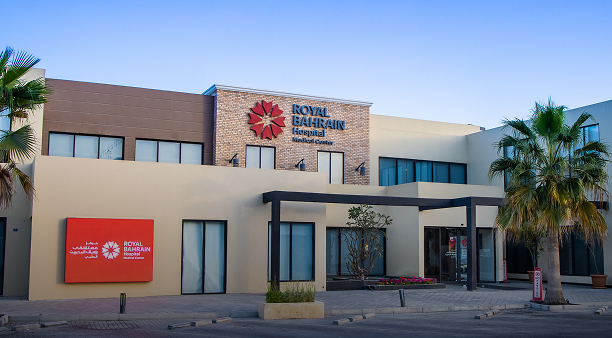
Learn More About This Facility
RBH Medical Center, Janabiya Image

RBH Medical Center, Janabiya

RBH Medical Center, Janabiya Background Image

RBH Medical Center, Janabiya

Orthopedics, Obstetrics and Gynecology, Urology, General Surgery and Cardiology

+973 1724 6800

Get Directions

40+

Doctors

10

Services

2021

Established in

Learn More About This Facility

More from KIMSHEALTH

Looking for something else?

Insurance Partners

Insurance Partners

Health Packages

Health Packages

KIMSHEALTH App

KIMSHEALTH App

Footer Background
Footer Logo

Our Facilities

  • Salmaniya (Hospital)
  • Janabiyah (Medical Centre)

Specialities

Contact Us

Plan Your Visit

  • Find a Doctor
  • Find Insurance Partner
  • KIMSHEALTH Seha Card

Packages & Services

  • Health Packages
  • Health at Home
  • Dialysis
  • Maternity Packages

Support

  • Patient & Visitor FAQs
  • Regional Sitemap

Health Library

Careers

  • Life at KIMSHEALTH
  • Job Listings

Smartphone-Free Childhood Bahrain

ACCN Course Payment

Copyright © 2026. KIMSHEALTH. All Rights Reserved

Instagram IconFacebook IconSnapchat IconTiktok Icon

Download the App

Google PlayApp Store