Emergency Helpline: 8000 7070+97332181810MyKIMS Login
KIMS Royal Bahrain Hospital

Doctors & Specialities

Explore all Doctors
Explore all Specialities
Explore all Diseases and Conditions
Explore all Procedures
Emergency Helpline: 8000 7070+97332181810Patient StoriesKIMSHEALTH Seha Card

Packages & Services

Explore all Health Packages
Insurance Partner
Explore all Health Services
Emergency Helpline: 8000 7070+97332181810Patient StoriesKIMSHEALTH Seha Card
|
Royal Bahrain Hospital, Salmaniya
RBH Medical Center, Janabiyah
Who We Are
Contact Us
Quality & Accreditations
Leadership
Media & Newsroom
Our Network
Emergency Helpline: 8000 7070+97332181810Patient StoriesKIMSHEALTH Seha Card
Emergency: 8000 7070 +97332181810
  • Explore all DoctorsExplore all SpecialitiesExplore all Diseases and ConditionsExplore all Procedures
  • Explore all Health PackagesInsurance PartnerExplore all Health Services
  • Our Facilities

    Royal Bahrain Hospital, SalmaniyaRBH Medical Center, Janabiyah

    About Us

    Who We AreContact UsQuality & AccreditationsLeadershipMedia & NewsroomOur Network
Emergency Helpline: 8000 7070+97332181810Patient StoriesKIMSHEALTH Seha Card
HomeSpecialitiesGeneral Surgery

General Surgery

General SurgeryGeneral Surgery

About the Speciality

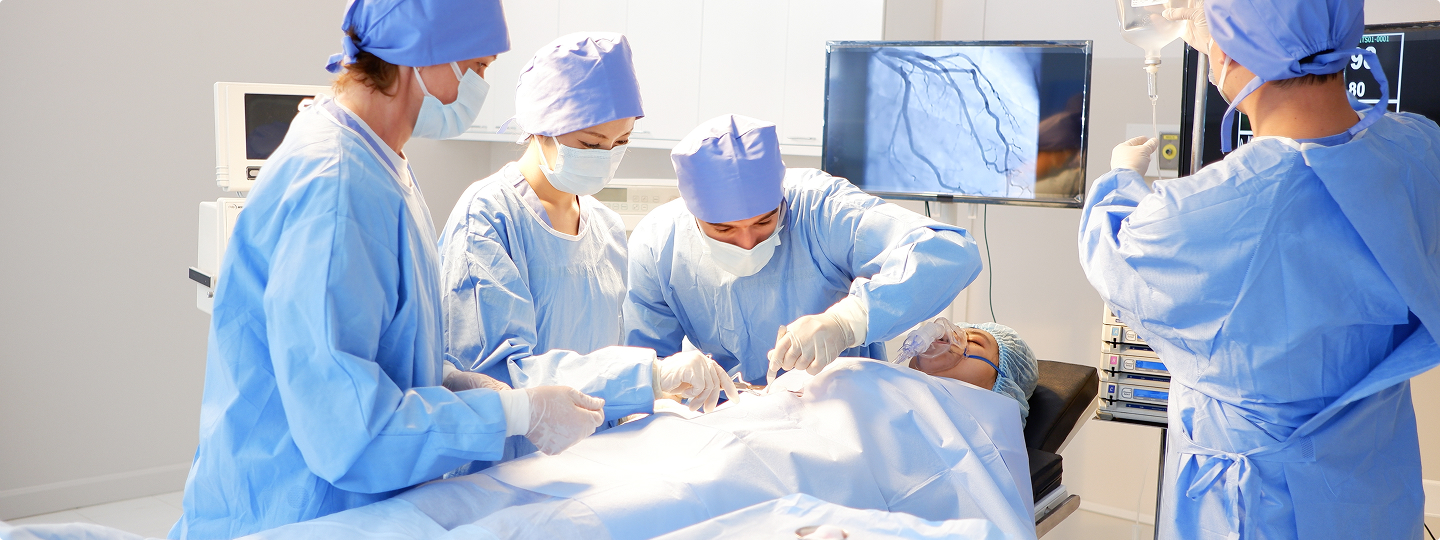
Our highly qualified and experienced team of surgeons specializes in both open and laparoscopic surgical procedures for a wide range of general conditions. These include varicose veins, acute abdominal conditions, hernia repair, breast lumps, hemorrhoids, and thyroid disorders. In addition to routine general surgeries, our department offers a comprehensive range of advanced surgical procedures. Our surgeons are skilled in performing minimally invasive endoscopic and laparoscopic techniques, ensuring greater precision, reduced recovery time, and improved patient outcomes.

Relevant diseases
& conditions

View All
Varicose Veins
Varicose veins are dilated, tortuous superficial veins, most commonly in the legs, caused by venous insufficiency. They are often chronic and can cause discomfort, cosmetic concerns, or complications if untreated.
Learn Morearrow
Thyroid Goiter / Nodules / Cancer
Thyroid enlargement (goiter) or nodules are usually benign, though a small proportion may be malignant. They can be diffuse or nodular and sometimes cause compressive or hormonal symptoms.
Learn Morearrow
Testicular Torsion
Testicular torsion is a urological emergency where the spermatic cord twists, cutting off blood supply to the testis. Most common in adolescents, it can occur at any age and requires urgent intervention to prevent testicular loss.
Learn Morearrow
Skin, Subcutaneous Tissue & Soft-Tissue Conditions
This group includes cellulitis, abscesses, lipomas, necrotizing infections, and surgical wound issues. Presentations range from mild redness to severe systemic infection requiring urgent care.
Learn Morearrow
Pilonidal Sinus / Pilonidal Abscess
A pilonidal sinus is a chronic tract or abscess near the tailbone, often containing hair and debris. It commonly affects young adults and can cause recurrent infection and discomfort if untreated.
Learn Morearrow
Piles (Hemorrhoids)
Piles are dilated vascular cushions in the anal canal, classified as internal or external. They are a common cause of rectal bleeding, discomfort, and anal itching, often affecting quality of life if untreated.
Learn Morearrow
Pancreatitis
Pancreatitis is inflammation of the pancreas, presenting as acute or chronic. Acute pancreatitis can range from mild discomfort to life-threatening illness, often requiring urgent medical attention.
Learn Morearrow
Lipoma / Sebaceous Cyst / Ganglion
These are benign soft tissue lumps: lipomas (fat), sebaceous/epidermoid cysts (keratin-filled), and ganglion cysts (synovial fluid). They are usually painless, slow-growing, and may appear anywhere on the body, occasionally causing cosmetic concerns or discomfort if large.
Learn Morearrow
Hernia
A hernia is the protrusion of abdominal contents through a weakness in the abdominal wall or pelvic floor. It can be reducible, incarcerated, or strangulated, with potential complications if untreated.
Learn Morearrow
Gastroesophageal Reflux Disease (GERD)
GERD is a chronic condition where stomach contents reflux into the esophagus, causing troublesome symptoms or complications. It can lead to inflammation, discomfort, and long-term esophageal changes if untreated.
Learn Morearrow
Fistula-in-Ano / Anal Fistula
An anal fistula is an abnormal tract connecting the anal canal or rectum to perianal skin, usually after an abscess. It causes chronic drainage, pain, and discomfort, often affecting quality of life.
Learn Morearrow
Corn (Clavus)
A corn is a localized thickened skin lesion, usually over bony prominences of the feet. It is often painful when pressure is applied and may lead to nearby callus formation.
Learn Morearrow
Colon & Intestinal Diseases
These include inflammatory bowel disease (Crohn’s, UC), colorectal cancer, diverticular disease, infections, and ischemia. Symptoms and severity vary depending on the affected intestinal segment.
Learn Morearrow
Abdominal Pain
Abdominal pain refers to discomfort originating anywhere in the abdominal cavity. It can be acute or chronic, ranging from mild discomfort to severe, potentially life-threatening pain. Causes include gastrointestinal infections, constipation, biliary or urinary diseases, recent surgery, trauma, systemic illness, and medications.
Learn Morearrow
Anal fissure / Fissure-in-ano
An anal fissure, also called fissure-in-ano, is a small linear tear in the skin lining the anal canal. It commonly causes severe pain during bowel movements and may bleed. Anal fissures can be acute or become chronic if healing is delayed. The condition is often linked to constipation or trauma during defaecation. Early treatment focuses on reducing pain, relaxing the anal sphincter, and promoting healing to prevent chronic complications.
Learn Morearrow
Bowel Obstruction
Bowel obstruction is a serious condition where the normal movement of intestinal contents is blocked. It may involve the small or large bowel and can be partial or complete. Common causes include adhesions after surgery, hernias, tumors, or twisting of the intestine. Obstruction leads to pressure buildup, impaired blood flow, and infection risk. Early diagnosis and prompt management are essential to prevent life-threatening complications such as bowel ischemia, perforation, and sepsis.
Learn Morearrow
Breast Lump
A breast lump is a localized swelling or mass within the breast tissue. Fibroadenoma is one of the most common benign breast lumps, especially in young women. These lumps are usually non-cancerous, smooth, and mobile. However, not all breast lumps are harmless, making evaluation essential to rule out malignancy. Breast lumps may arise from hormonal changes, cysts, or tumors. Early assessment through proper clinical and imaging tests ensures reassurance, timely treatment, and prevention of serious complications.
Learn Morearrow
Gallstones
Gallstones are solid deposits forming inside the gallbladder from bile components. Cholecystitis refers to inflammation of the gallbladder, most commonly caused by gallstones blocking the cystic duct. This blockage leads to bile buildup, pain, and infection. The condition may appear as intermittent biliary colic or sudden acute inflammation. Gallbladder disease can range from mild discomfort to severe, potentially dangerous complications if untreated, requiring timely diagnosis and appropriate medical or surgical management. Early recognition helps prevent serious outcomes and improves recovery.
Learn Morearrow
Ingrown Nail
An ingrown toenail occurs when the nail edge grows into the surrounding skin, causing pain, inflammation, and possible infection. It most commonly affects the great toe and can recur if not properly managed.
Learn Morearrow
Previous
Next

Procedures & treatments provided

View All
Wound Suturing
Wound suturing is the closure of lacerations or surgical incisions using stitches to promote healing, prevent infection, and restore function and cosmesis. Performed under local or general anesthesia depending on depth and location, sutures are applied layer by layer for strength and alignment. Absorbable or non-absorbable sutures are chosen based on wound site. Diagnosis includes assessment of wound depth, contamination, and tissue viability. Postoperative care involves keeping the wound clean, suture removal in 7–14 days, and monitoring for infection or wound dehiscence.
Learn Morearrow
Wound Debridement
Wound debridement involves the removal of dead, damaged, or infected tissue to promote healing, reduce infection risk, and accelerate recovery. Indicated for chronic or infected wounds, burns, and ulcers, the procedure may be performed under local or general anesthesia using surgical, mechanical, or enzymatic methods. Diagnosis is clinical, with imaging if deeper structures are involved. Postoperative care includes dressing changes, pain management, infection monitoring, and follow-up to ensure proper wound healing.
Learn Morearrow
Spleen & Lymph Nodes Surgery
Surgery on the spleen or lymph nodes is performed for disease management or diagnostic purposes. Indications include splenomegaly, trauma, lymphoma, infection, or diagnostic biopsy for malignancy. Under general anesthesia, open or laparoscopic approaches are used for spleen removal, while lymph nodes are excised carefully to avoid surrounding structures. Diagnosis relies on imaging (ultrasound, CT, MRI) and blood tests. Postoperative care includes hospital monitoring, vaccinations if spleen removed, pain management, and wound care to ensure recovery and prevent complications.
Learn Morearrow
Small Bowel Surgery
Small bowel surgery addresses disease or injury of the small intestine, including obstruction, tumors, Crohn’s disease, or perforation. Performed under general anesthesia, the procedure may involve open or laparoscopic resection or repair, with anastomosis of healthy bowel segments. Diagnosis includes imaging such as CT, MRI, or enteroscopy, along with blood tests for infection or nutritional status. Postoperative care involves hospital stay for bowel recovery, gradual diet progression, pain management, and follow-up imaging to ensure proper healing and bowel function.
Learn Morearrow
Skin and Subcutaneous Surgery
Skin and subcutaneous surgery involves excision of cysts, lipomas, or benign/malignant lesions for cosmetic or functional improvement. Procedures are performed under local or general anesthesia, with careful excision and wound closure using sutures. Advanced techniques may be employed to minimize scarring if cosmetic outcomes are important. Diagnosis includes clinical examination, imaging such as ultrasound or MRI for deep lesions, and biopsy if malignancy is suspected. Postoperative care involves keeping the wound clean, managing pain, and follow-up to monitor healing and recurrence.
Learn Morearrow
Sinus and Fistula Excision
Sinus and fistula excision is a surgical procedure to remove chronic tracts, preventing recurrent infection, abscess formation, and improving patient comfort and function. Performed under local or general anesthesia, the tract is identified and excised completely. Wounds may heal by secondary intention or be closed primarily. Diagnosis involves clinical examination, with MRI or ultrasound to define the tract. Postoperative care includes dressing changes, pain management, sitz baths if perianal, and follow-up to monitor healing and recurrence.
Learn Morearrow
Sigmoid Colectomy
Sigmoid colectomy involves surgical removal of the sigmoid colon, part of the large intestine, to treat diverticulitis, cancer, obstruction, or inflammatory bowel disease. Performed under general anesthesia, the affected colon segment is removed via open or laparoscopic approach, and the healthy ends are reconnected (anastomosis). Diagnosis is based on colonoscopy with biopsy, CT imaging, and preoperative blood tests. Postoperative care includes hospital stay for bowel recovery, gradual diet progression, pain management, and follow-up imaging to ensure proper healing and bowel function.
Learn Morearrow
Separation Surgery
Separation surgery is a procedure performed to release fused or adhered tissues, correcting congenital deformities, post-surgical adhesions, or scar contractures. The procedure restores normal anatomy and function while preventing complications from restricted movement. It can be done under local or general anesthesia, involving careful dissection to separate tissues. Wounds are either closed or dressed depending on the site. Diagnosis is primarily clinical, with imaging if internal adhesions are suspected. Postoperative care includes wound hygiene, physiotherapy if needed, and follow-up to monitor healing and prevent recurrence.
Learn Morearrow
Pile Banding (Rubber Band Ligation)
Pile banding, or rubber band ligation, is a minimally invasive procedure for internal hemorrhoids. Indicated for bleeding, prolapse, or symptomatic hemorrhoids unresponsive to conservative care, it provides effective relief. Using an anoscope, a rubber band is applied to the base of the hemorrhoid, cutting off its blood supply. Over a few days, the hemorrhoid shrinks and falls off. Diagnosis is via clinical examination and anoscopy. Post-procedure care includes managing mild discomfort or bleeding, pain relief, avoiding straining, and following a high-fiber diet to prevent recurrence.
Learn Morearrow
Paraphimosis Reduction
Paraphimosis reduction is a procedure to reposition the foreskin stuck behind the glans penis. It prevents swelling, pain, and compromised blood flow, avoiding tissue necrosis and serious complications. Reduction is typically performed manually under local anesthesia or sedation, using compression techniques to reduce edema and pull the foreskin forward. Circumcision may be recommended in recurrent cases. Diagnosis is clinical, with assessment of blood flow to the glans. Postoperative care involves pain management, hygiene, monitoring for swelling or recurrence, and avoiding tight clothing until fully healed.
Learn Morearrow
Observation or Surgical Excision (Based on Findings)
The approach depends on lesion characteristics, with some lesions monitored and others surgically excised. Observation involves regular clinical and imaging follow-up for lesions likely to remain benign or resolve spontaneously. Surgical excision is indicated if lesions are symptomatic, suspicious, or growing. Under local or general anesthesia, complete lesion removal is performed. Diagnosis includes clinical examination, imaging (ultrasound or MRI), and biopsy if excision is planned. Postoperative care involves wound care, suture removal, and monitoring for recurrence, while observation requires routine follow-up.
Learn Morearrow
Neck Surgery
Neck surgery encompasses procedures for tumors, cysts, thyroid, or parathyroid conditions. Indications include tumor removal, cyst excision, thyroidectomy, or lymph node biopsy. Performed under general anesthesia, careful dissection is done to preserve nerves and vessels, with resective or reconstructive techniques as required. Diagnosis involves ultrasound, CT, or MRI, fine-needle aspiration or biopsy, and relevant blood tests for thyroid or parathyroid function. Postoperative care focuses on pain management, wound care, monitoring for infection or nerve injury, and follow-up imaging and laboratory evaluations.
Learn Morearrow
Nail Removal Total Under LA
This procedure involves partial or total removal of a toenail under local anesthesia to treat ingrown nails, recurrent infection, deformities, or fungal involvement. Surgery prevents further complications and relieves pain, improving mobility and quality of life. Under local anesthesia, the nail is fully removed, and the wound is dressed. Sometimes, the nail matrix is ablated to prevent recurrence. Diagnosis is clinical, with imaging only if bone involvement is suspected. Postoperative care emphasizes hygiene, pain management, and avoiding tight footwear until fully healed.
Learn Morearrow
Lipoma or Sebaceous Cyst Removal
This procedure involves surgical excision of benign soft tissue lumps, including lipomas and sebaceous cysts. Indicated for lesions causing pain, infection, or cosmetic concerns, it helps prevent enlargement or discomfort. Performed under local or general anesthesia, a small incision is made over the lesion, and complete excision is achieved. The wound is closed with sutures. Diagnosis is based on clinical examination, with ultrasound used for deep or large lesions. Biopsy is performed only if the diagnosis is uncertain. Postoperative care focuses on wound hygiene, suture removal, and monitoring for recurrence.
Learn Morearrow
Laser Repair (FiLaC)
FiLaC (Fistula Laser Closure) is a minimally invasive laser-assisted procedure to treat chronic fistulas. It is indicated for patients seeking less invasive intervention with reduced recovery time and lower complication risk compared to open surgery. Under local or general anesthesia, a laser fiber is inserted into the fistula tract, and laser energy obliterates the tract from the inside. Diagnosis involves clinical examination and imaging (MRI or ultrasound), with blood tests if infection is present. Postoperative care focuses on pain management, hygiene, and follow-up imaging.
Learn Morearrow
Incision and Drainage of Abscess
Incision and drainage is a surgical procedure to remove pus from localized infections, relieving pain and preventing spread. It is indicated for abscesses that are painful, swollen, or at risk of systemic infection. Local anesthesia is used for small abscesses, while general anesthesia may be required for deep collections. The abscess is incised, pus drained, and the wound irrigated and sometimes packed. Diagnosis is clinical, with ultrasound for deep abscesses and blood tests for systemic infection. Postoperative care includes dressing changes, antibiotics, and follow-up.
Learn Morearrow
In-grown Toenail Surgery / Minor Soft Tissue or Skin Surgeries
This procedure corrects ingrown toenails or minor skin lesions causing pain, recurrent infection, or difficulty walking. Surgery prevents further complications and improves quality of life. Under local anesthesia, partial or total nail removal is performed, and the wound is dressed. Sometimes, the nail matrix is ablated to prevent recurrence. Diagnosis is primarily clinical, with imaging if bone involvement is suspected. Postoperative care includes wound hygiene, pain management, and avoiding tight footwear until fully healed. Follow-up ensures proper recovery.
Learn Morearrow
History, Physical Examination, Imaging, Biopsy
This diagnostic process includes a thorough patient history, physical examination, imaging studies, and biopsy when necessary. It ensures accurate identification of the nature, extent, and severity of disease, guiding appropriate medical or surgical management. Imaging may include X-ray, ultrasound, CT, or MRI depending on the condition, while biopsy involves tissue sampling under local anesthesia or imaging guidance. Blood tests and lab investigations support diagnosis. Results help plan treatment effectively, ensuring personalized care and avoiding unnecessary procedures.
Learn Morearrow
Hernia Surgery
Hernia surgery involves repairing abdominal wall or groin hernias, which can be performed via open or laparoscopic methods. The procedure is indicated for hernias causing symptoms such as pain, obstruction, or risk of strangulation. Under general or local anesthesia with sedation, the hernia sac is identified, and its contents are reduced. The abdominal wall is reinforced using mesh or sutures to prevent recurrence. Diagnosis is based on clinical examination, with ultrasound or CT scans for large or atypical hernias. Postoperative care focuses on wound management and avoiding heavy lifting.
Learn Morearrow
Hepatobiliary Surgery
Hepatobiliary surgery involves operative procedures on the liver, gallbladder, bile ducts, or pancreas, including cholecystectomy, liver resection, or bile duct surgery. It is indicated for gallstones, tumors, liver cysts, bile duct obstruction, trauma, or infection. Procedures are performed under general anesthesia using open or laparoscopic approaches, with resective or reconstructive techniques as needed. Diagnosis includes imaging with ultrasound, CT, MRI, blood tests including liver function tests, and endoscopic imaging for bile duct involvement. Postoperative care involves monitoring, gradual diet progression, and follow-up imaging.
Learn Morearrow
Hemorrhoidectomy
Hemorrhoidectomy is a surgical procedure to remove symptomatic, large, or thrombosed hemorrhoids. It is indicated in patients with persistent bleeding, severe pain, or prolapse. The surgery may be performed under regional or general anesthesia, with excision of hemorrhoidal tissue. Depending on the technique, the wound may be left open or partially closed. Diagnosis is usually clinical through anoscopy or proctoscopy, with imaging reserved for atypical cases. Postoperative care focuses on pain management, stool softeners, and monitoring for healing and recurrence.
Learn Morearrow
Excision of Lipoma / Sebaceous Cyst / Papilloma
Excision of lipoma, sebaceous cyst, or papilloma involves the surgical removal of benign lumps or skin growths. The procedure is performed when lesions are symptomatic, causing discomfort, or raising cosmetic concerns. It helps prevent infection, enlargement, or other complications. Performed under local anesthesia, a small incision is made, and the lesion is completely removed. The wound is then closed with sutures. Diagnosis is based on clinical examination, imaging like ultrasound or MRI for deep lesions, and biopsy if the nature of the growth is uncertain.
Learn Morearrow
Hemicolectomy
Hemicolectomy is a surgical procedure involving the removal of part of the colon. It is indicated for conditions such as colon cancer, diverticulitis, obstruction, or inflammatory bowel disease. The procedure restores bowel function by removing the diseased segment and connecting healthy ends. It is performed under general anesthesia, either through open surgery or a laparoscopic approach. Diagnosis is based on colonoscopy with biopsy, imaging like CT or MRI, and blood tests for preoperative evaluation. Recovery involves gradual diet progression, pain management, and follow-up imaging.
Learn Morearrow
Foreign Body Removal
Foreign body removal involves extracting objects lodged in the skin, soft tissue, or internal organs. It is performed to prevent infection, pain, tissue damage, or to restore function and appearance. Depending on the location, the procedure can be done under local or general anesthesia and may involve surgical or minimally invasive techniques. Imaging guidance such as an X-ray, ultrasound, or CT scan is used if required. Recovery includes wound care, antibiotics if infection risk is present, and follow-up imaging to ensure complete removal.
Learn Morearrow
Excision of Ganglion
Excision of a ganglion involves surgical removal of fluid-filled cysts, commonly found on wrists or fingers. The procedure is indicated for ganglions causing pain, discomfort, restricted movement, or for cosmetic reasons. It is usually performed under local or regional anesthesia. An incision is made over the cyst, and the ganglion is removed along with its stalk to reduce recurrence. Diagnosis involves clinical examination and imaging like an ultrasound or MRI. Post-procedure care includes dressing, splinting if necessary, avoiding heavy lifting, and follow-up to monitor for recurrence.
Learn Morearrow
Excision of Benign Swelling
Excision of benign swelling involves the surgical removal of non-cancerous lumps or masses. It is performed for symptomatic lumps causing pain or discomfort, for cosmetic reasons, or to prevent potential complications. The procedure can be done under local or general anesthesia, depending on the site and size of the swelling. An incision is made over the lump, the tissue is excised, and the wound is closed with sutures. Diagnosis may involve clinical examination, imaging, and biopsy if necessary. Recovery includes wound care, pain management, and follow-up to monitor recurrence.
Learn Morearrow
Ear Lobe Repair
Ear lobe repair is a minor surgical procedure to correct torn or stretched earlobes, often done for cosmetic or functional reasons. It treats injuries from trauma or heavy earrings and improves appearance. The procedure is performed under local anesthesia, where torn tissue is excised and the edges carefully sutured using small stitches to minimize scarring. Diagnosis involves a clinical examination and assessment of earlobe integrity. Post-procedure care focuses on keeping the area clean, avoiding earrings until fully healed, and removing sutures within 7–10 days.
Learn Morearrow
Draining and Debridement
Draining and debridement is a combined surgical approach to remove infected material and dead tissue, commonly used for chronic wounds, abscesses, or infected burns. The procedure helps control infection and promotes wound healing. It is performed under local or general anesthesia, involving surgical drainage of pus or fluid and debridement of necrotic tissue with specialized instruments. Diagnosis includes clinical wound assessment, imaging for deep infections, and blood tests for systemic involvement. Post-procedure care focuses on wound dressing changes, antibiotics if required, and regular follow-up to ensure proper healing.
Learn Morearrow
Dietary Modification
Dietary modification involves adjusting a person’s diet to manage or prevent diseases, often alongside other therapies. It helps control blood sugar, cholesterol, weight, or digestive issues and supports recovery from illness or surgery. The process includes creating an individualized nutrition plan, restricting or supplementing specific nutrients, and educating on portion control and meal timing. Diagnosis and monitoring involve blood tests, nutritional assessment, and evaluation of body weight and composition. Post-procedure care focuses on adherence, progress monitoring, diet adjustments, and regular follow-up with a dietitian or physician.
Learn Morearrow
Cystogastrostomy
Cystogastrostomy is a surgical procedure that creates a connection between a pancreatic cyst and the stomach to allow internal drainage. It is primarily used for persistent or symptomatic pancreatic pseudocysts to prevent infection, rupture, or other complications. The procedure is performed under general anesthesia using an open or laparoscopic approach. The cyst wall is anastomosed to the stomach, allowing the cyst contents to drain internally. Diagnosis involves ultrasound, a CT scan, or MRI, along with blood tests for pancreatic function. Postoperative care includes hospital monitoring, gradual diet progression, and follow-up imaging to ensure cyst resolution.
Learn Morearrow
Conservative Management
Conservative management is a non-surgical approach used to treat certain medical conditions, focusing on medications, lifestyle changes, and regular monitoring. It is chosen when surgery is unnecessary or carries high risk. The approach aims to reduce symptoms, prevent disease progression, and improve quality of life. Techniques may include medications such as antibiotics or anti-inflammatories, physical therapy, and lifestyle interventions. Diagnosis and monitoring involve clinical assessment, imaging, and laboratory tests. Post-management care emphasizes symptom tracking, medication adjustments, and patient education for long-term disease control.
Learn Morearrow
Colorectal Surgery
Colorectal surgery involves operations on the colon, rectum, or anus to treat cancers, inflammatory bowel disease, diverticulitis, obstructions, fistulas, hemorrhoids, or polyps. The procedure is performed under general anesthesia and may be done using open or laparoscopic (minimally invasive) techniques. Surgical steps may include resection and anastomosis of bowel segments. Diagnosis is based on colonoscopy, imaging (CT or MRI), and blood tests. Postoperative care includes hospital stay for bowel recovery, pain management, diet progression, early mobilization, and follow-up with imaging or colonoscopy to monitor healing and detect recurrence.
Learn Morearrow
Circumcision
Circumcision is the surgical removal of the foreskin from the penis, commonly performed for medical, cultural, or religious reasons. It treats conditions like phimosis (tight foreskin) or recurrent infections and may also be done based on personal or religious preference. The procedure is performed under local or general anesthesia, using a scalpel, scissors, or clamp devices. The wound is closed with dissolvable sutures. Diagnosis involves clinical examination and assessment for underlying infections or anomalies. Post-procedure care focuses on hygiene, pain management, and follow-up to ensure proper healing.
Learn Morearrow
Cauterization of Wart
Cauterization of warts is a minimally invasive outpatient procedure that removes warts using heat or chemicals. It helps eliminate painful or unsightly warts and prevents their spread to other areas or individuals. Local anesthesia may be applied, followed by electrical or chemical cauterization of the wart. The treated area is then allowed to heal naturally. Diagnosis is primarily clinical, with biopsy reserved for uncertain or atypical lesions. Recovery involves keeping the area clean and dry, with mild pain expected and healing within 1–2 weeks.
Learn Morearrow
Burns Wound Debridement
Burn wound debridement involves the removal of dead or damaged tissue from burn injuries to promote healing and prevent infection. It reduces the risk of complications, accelerates wound recovery, and prepares the area for skin grafting if necessary. The procedure is performed under local or general anesthesia using surgical or specialized debridement tools. Necrotic tissue is carefully removed without harming healthy tissue. Diagnosis involves clinical assessment, blood tests, and imaging when deeper structures are suspected. Post-procedure care focuses on wound monitoring, pain control, and physiotherapy.
Learn Morearrow
Breast Surgeries
Breast surgeries include lumpectomy, mastectomy, and reconstruction, aimed at treating benign or malignant breast conditions. They remove tumors, cysts, or cancerous tissue and may restore breast appearance after trauma or cancer. The procedure is performed under general anesthesia, with careful removal of affected tissue while preserving healthy tissue. Reconstruction may involve implants or flap techniques. Diagnosis typically includes mammography, ultrasound, MRI, biopsy, and blood tests. Postoperative care focuses on pain management, wound care, and monitoring for recurrence.
Learn Morearrow
Abscess Drainage
Abscess drainage is a minor surgical procedure performed to remove localized pus caused by infection. It can occur in the skin, soft tissue, or internal organs. The procedure relieves pain, prevents the infection from spreading, and promotes healing. Local anesthesia is used, followed by an incision to drain the pus. The area may be irrigated and packed if needed. Diagnosis is based on clinical examination, and imaging or blood tests may be used for deep or systemic infections.
Learn Morearrow
Topical Management
Topical Management involves the use of creams, ointments, gels, or lotions to treat various skin or localized conditions. This procedure allows medication to be applied directly to the affected area, targeting the problem effectively while minimizing effects on the rest of the body. It is commonly used for conditions such as rashes, inflammation, infections, or pain, and is usually easy to apply at home under your doctor’s guidance.
Learn Morearrow
Surgery (General)
Surgery is a medical procedure that involves performing operations to diagnose, treat, or correct a health condition. It can range from minor, outpatient procedures to major, complex operations requiring hospitalization. Surgical procedures are carried out by trained surgeons with the support of specialized medical teams and are designed to improve health outcomes, relieve symptoms, or save lives.
Learn Morearrow
Surgical Repair
Surgical repair is a procedure performed to fix, restore, or reconstruct damaged tissues, organs, or structures in the body. It can address injuries, congenital defects, or complications from disease or previous surgeries. The goal is to restore normal function, relieve symptoms, and improve quality of life. Surgical repair can range from minor outpatient procedures to major operations requiring hospitalization.
Learn Morearrow
Excision of Corn
Excision of a corn is a minor surgical procedure performed to remove thickened, painful areas of skin that develop on the feet or toes due to friction or pressure. The procedure relieves pain, prevents infection, and improves comfort while walking. It is typically performed under local anesthesia and is a quick, outpatient procedure.
Learn Morearrow
Previous
Next

Our Doctors

Expert care, now within reach
View All
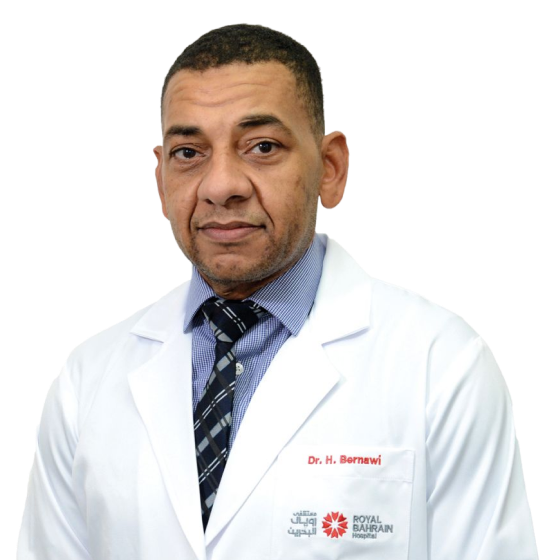
Dr. Hussein Elbernawi
More Infoarrow

Dr. Hussein Elbernawi

Consultant, General Surgery

Languages
  • Arabic
  • English
Location
  • Janabiya
  • Medical Centre
Location
  • Salmaniya
  • Hospital
Dr. Neetha Ravi
More Infoarrow

Dr. Neetha Ravi

Specialist, General Surgery

Languages
  • English
  • Hindi
Location
  • Janabiya
  • Medical Centre
Location
  • Salmaniya
  • Hospital
Dr. Sally Adnan Aljubour
More Infoarrow

Dr. Sally Adnan Aljubour

Consultant, General Laparoscopic and Breast Surgery

Languages
  • Arabic
  • English
Location
  • Janabiya
  • Medical Centre
Location
  • Salmaniya
  • Hospital
Dr. Stephen Angamuthu
More Infoarrow

Dr. Stephen Angamuthu

Consultant, General Surgery

Languages
  • English
  • Hindi
Location
  • Janabiya
  • Medical Centre
Location
  • Salmaniya
  • Hospital
Left Arrow
Left Arrow

Available at

Find Us at Our Facilities

Royal Bahrain Hospital, Salmaniya Image

Royal Bahrain Hospital, Salmaniya

Royal Bahrain Hospital, Salmaniya Background Image

Royal Bahrain Hospital, Salmaniya

Orthopedics, Obstetrics and Gynecology, Urology, General Surgery, Cardiology and Plastic Surgery

+973 1724 6800

Get Directions

93

Doctors

77

Beds

15

Services

2011

Established in
Learn More About This Facility
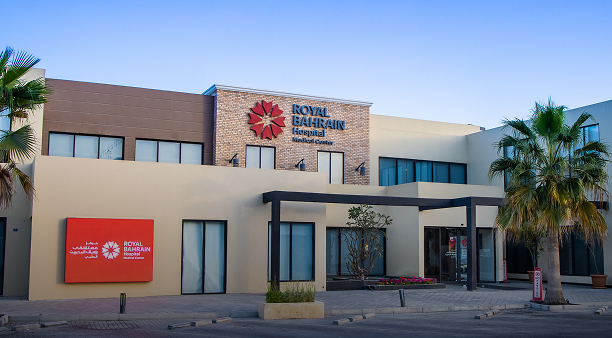
RBH Medical Center, Janabiya Image

RBH Medical Center, Janabiya

RBH Medical Center, Janabiya Background Image

RBH Medical Center, Janabiya

Orthopedics, Obstetrics and Gynecology, Urology, General Surgery and Cardiology

+973 1724 6800

Get Directions

40+

Doctors

10

Services

2021

Established in

Learn More About This Facility

More from KIMSHEALTH

Looking for something else?

Insurance Partners

Insurance Partners

Health Packages

Health Packages

KIMSHEALTH App

KIMSHEALTH App

Footer Background
Footer Logo

Our Facilities

  • Salmaniya (Hospital)
  • Janabiyah (Medical Centre)

Specialities

Contact Us

Plan Your Visit

  • Find a Doctor
  • Find Insurance Partner
  • KIMSHEALTH Seha Card

Packages & Services

  • Health Packages
  • Health at Home
  • Dialysis
  • Maternity Packages

Support

  • Patient & Visitor FAQs
  • Regional Sitemap

Health Library

Careers

  • Life at KIMSHEALTH
  • Job Listings

Smartphone-Free Childhood Bahrain

ACCN Course Payment

Copyright © 2026. KIMSHEALTH. All Rights Reserved

Instagram IconFacebook IconSnapchat IconTiktok Icon

Download the App

Google PlayApp Store