Emergency Helpline: 8000 7070+97332181810MyKIMS Login
KIMS Royal Bahrain Hospital

Doctors & Specialities

Explore all Doctors
Explore all Specialities
Explore all Diseases and Conditions
Explore all Procedures
Emergency Helpline: 8000 7070+97332181810Patient StoriesKIMSHEALTH Seha Card

Packages & Services

Explore all Health Packages
Insurance Partner
Explore all Health Services
Emergency Helpline: 8000 7070+97332181810Patient StoriesKIMSHEALTH Seha Card
|
Royal Bahrain Hospital, Salmaniya
RBH Medical Center, Janabiyah
Who We Are
Contact Us
Quality & Accreditations
Leadership
Media & Newsroom
Our Network
Emergency Helpline: 8000 7070+97332181810Patient StoriesKIMSHEALTH Seha Card
Emergency: 8000 7070 +97332181810
  • Explore all DoctorsExplore all SpecialitiesExplore all Diseases and ConditionsExplore all Procedures
  • Explore all Health PackagesInsurance PartnerExplore all Health Services
  • Our Facilities

    Royal Bahrain Hospital, SalmaniyaRBH Medical Center, Janabiyah

    About Us

    Who We AreContact UsQuality & AccreditationsLeadershipMedia & NewsroomOur Network
Emergency Helpline: 8000 7070+97332181810Patient StoriesKIMSHEALTH Seha Card
HomeSpecialitiesNeuro Surgery

Neuro Surgery

Neuro SurgeryNeuro Surgery

About the Speciality

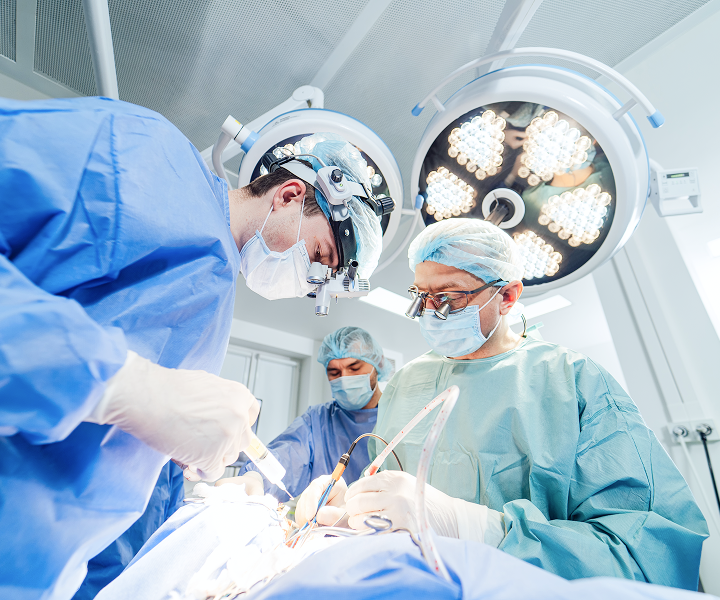
Our Neuro Surgery Department cares for complex conditions of the brain, spine and nervous system in both adults and children, combining advanced surgical skill with thoughtful, patient-first care. Our experienced neurosurgeons work closely with neurologists, intensivists, radiologists and rehabilitation teams to decide the best treatment path—whether surgical or non-surgical—based on what is safest and most effective for each patient. We manage brain tumours, stroke and trauma emergencies, spine disorders, vascular conditions such as aneurysms and AVMs, epilepsy and nerve pain, using modern techniques including minimally invasive and endoscopic surgery to support faster recovery.

Relevant diseases
& conditions

View All
Trigeminal Neuralgia
Trigeminal neuralgia (TN) is a chronic neuropathic pain disorder characterized by recurrent, paroxysmal, electric shock-like or stabbing pain in the distribution of one or more branches of the trigeminal nerve (cranial nerve V). It is often triggered by innocuous stimuli and can be severely debilitating.
Learn Morearrow
Traumatic Brain Injury (TBI)
Traumatic Brain Injury is an acquired injury to the brain resulting from an external force, leading to temporary or permanent neurological dysfunction. Severity ranges from mild (concussion) to severe, with potential for long-term physical, cognitive, and psychosocial impairment.
Learn Morearrow
Spinal Disorders
Spinal disorders encompass a wide range of conditions affecting the spinal column, including the vertebrae, intervertebral discs, nerves, and supporting structures. These disorders can result in pain, neurological deficits, and functional impairment.
Learn Morearrow
Hydrocephalus
Hydrocephalus is a neurological condition characterized by an abnormal accumulation of cerebrospinal fluid (CSF) within the ventricles of the brain, leading to increased intracranial pressure and potential brain damage.
Learn Morearrow
Cerebral Aneurysms
A cerebral aneurysm is a localized, abnormal weakening and outpouching of the wall of an artery in the brain, creating a sac-like or fusiform dilation. An unruptured aneurysm may be asymptomatic, while rupture leads to a subarachnoid hemorrhage (SAH), a life-threatening emergency.
Learn Morearrow
Brain Tumors
Brain tumors are abnormal growths of cells within the brain or central nervous system (CNS). They can be primary (originating in the brain) or secondary (metastatic, spreading from cancer elsewhere in the body). Tumors are further classified based on cell type, location, and behavior (benign vs. malignant).
Learn Morearrow
Previous
Next

Procedures & treatments provided

View All
Anterior Cervical Discectomy and Fusion (ACDF)
Anterior Cervical Discectomy and Fusion (ACDF) is a commonly performed spine surgery used to treat conditions affecting the cervical spine (neck), such as herniated discs, degenerative disc disease, bone spurs, or spinal stenosis. These conditions can compress nerves or the spinal cord, leading to neck pain, arm pain, numbness, tingling, or weakness. ACDF is considered a gold-standard surgical treatment when conservative options like medication, physiotherapy, or injections fail to provide relief. The procedure aims to relieve nerve pressure, stabilize the spine, and improve overall quality of life.
Learn Morearrow
Brain Aneurysm Repair (Clipping or Coiling)
Brain aneurysm repair is a specialized neurosurgical procedure used to treat a weakened and bulging area in a brain blood vessel (aneurysm) that may rupture and cause life-threatening bleeding. Treatment is aimed at preventing rupture or re-bleeding while preserving normal blood flow to the brain. There are two main approaches: surgical clipping, which is an open procedure, and endovascular coiling, which is minimally invasive. The choice of treatment depends on the aneurysm’s size, shape, location, and the patient’s overall health.
Learn Morearrow
Chiari Decompression Surgery
Chiari decompression surgery, also known as posterior fossa decompression, is a neurosurgical procedure performed to treat Chiari malformation, a condition in which part of the brain (the cerebellar tonsils) extends downward into the spinal canal. This abnormal position can compress the brain and spinal cord and disrupt the normal flow of cerebrospinal fluid (CSF), leading to headaches, neck pain, balance problems, dizziness, and neurological symptoms. The goal of surgery is to create more space at the base of the skull, relieve pressure, and restore normal CSF flow, helping to improve symptoms and prevent further neurological damage.
Learn Morearrow
Craniotomy
A craniotomy is a common neurosurgical procedure in which a small section of the skull (called a bone flap) is temporarily removed to allow access to the brain. It is performed to diagnose or treat a variety of serious brain conditions, including brain tumors, aneurysms, blood clots, traumatic brain injuries, infections, and increased pressure inside the skull. Craniotomy may be done as an emergency or as a planned procedure, depending on the underlying condition. Advances in imaging and microsurgical techniques have made modern craniotomy safer, more precise, and more effective.
Learn Morearrow
Endoscopic Brain Surgery
Endoscopic brain surgery is a minimally invasive neurosurgical procedure that uses an endoscope—a thin tube with a camera and light—to access and treat conditions within the brain or skull base through very small incisions or natural openings such as the nose. It is commonly used to treat pituitary tumors, hydrocephalus, colloid cysts, cerebrospinal fluid (CSF) leaks, and certain skull base tumors. Compared to traditional open brain surgery, this approach results in less tissue damage, reduced pain, shorter hospital stays, and faster recovery while maintaining excellent surgical precision and outcomes.
Learn Morearrow
Laminectomy
Laminectomy is a surgical procedure designed to relieve pressure on the spinal cord or nerves by removing part or all of the lamina—the bony roof of the spinal canal. This decompression surgery is commonly performed for conditions such as spinal stenosis, herniated discs, tumors, or other causes of nerve compression. By creating more space in the spinal canal, a laminectomy can reduce pain, numbness, or weakness, improve mobility, and prevent further neurological damage.
Learn Morearrow
Lumbar Puncture (Spinal Tap)
A lumbar puncture, commonly known as a spinal tap, is a minimally invasive procedure used to collect cerebrospinal fluid (CSF) from the lower spine for diagnostic or therapeutic purposes. This fluid surrounds the brain and spinal cord, and analyzing it helps doctors diagnose conditions such as infections (meningitis, encephalitis), bleeding (subarachnoid hemorrhage), autoimmune disorders (multiple sclerosis), and certain cancers. Lumbar puncture may also be used to administer medications or relieve increased spinal fluid pressure.
Learn Morearrow
Skull Base Surgery
Skull base surgery is a highly specialized procedure to remove tumors, vascular lesions, or other abnormalities located at the base of the skull—the area separating the brain from facial and head structures. These surgeries require extreme precision because of the proximity to critical nerves, major blood vessels, and the brainstem. Procedures are often performed by a multidisciplinary team, including neurosurgeons and ENT (ear, nose, throat) surgeons, to ensure safe and effective treatment.
Learn Morearrow
Previous
Next

Our Doctors

Expert care, now within reach

View All
Dr. Nabeel Hameed
More Infoarrow

Dr. Nabeel Hameed

Consultant, Neuro Surgery

Languages
  • Arabic
  • English
Location
  • Salmaniya
  • Hospital
Location
  • Janabiya
  • Medical Centre

Available at

Find Us at Our Facilities
Royal Bahrain Hospital, Salmaniya Image

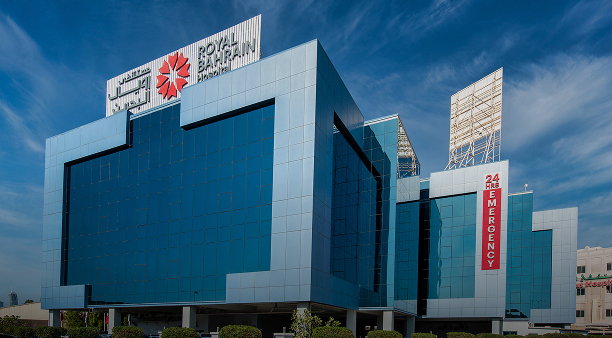
Royal Bahrain Hospital, Salmaniya

Royal Bahrain Hospital, Salmaniya Background Image

Royal Bahrain Hospital, Salmaniya

Orthopedics, Obstetrics and Gynecology, Urology, General Surgery, Cardiology and Plastic Surgery

+973 1724 6800

Get Directions

93

Doctors

77

Beds

15

Services

2011

Established in

Learn More About This Facility

More from KIMSHEALTH

Looking for something else?

Insurance Partners

Insurance Partners

Health Packages

Health Packages

KIMSHEALTH App

KIMSHEALTH App

Footer Background
Footer Logo

Our Facilities

  • Salmaniya (Hospital)
  • Janabiyah (Medical Centre)

Specialities

Contact Us

Plan Your Visit

  • Find a Doctor
  • Find Insurance Partner
  • KIMSHEALTH Seha Card

Packages & Services

  • Health Packages
  • Health at Home
  • Dialysis
  • Maternity Packages

Support

  • Patient & Visitor FAQs
  • Regional Sitemap

Health Library

Careers

  • Life at KIMSHEALTH
  • Job Listings

Smartphone-Free Childhood Bahrain

ACCN Course Payment

Copyright © 2026. KIMSHEALTH. All Rights Reserved

Instagram IconFacebook IconSnapchat IconTiktok Icon

Download the App

Google PlayApp Store