Emergency Helpline: 8000 7070+97332181810MyKIMS Login
KIMS Royal Bahrain Hospital

Doctors & Specialities

Explore all Doctors
Explore all Specialities
Explore all Diseases and Conditions
Explore all Procedures
Emergency Helpline: 8000 7070+97332181810Patient StoriesKIMSHEALTH Seha Card

Packages & Services

Explore all Health Packages
Insurance Partner
Explore all Health Services
Emergency Helpline: 8000 7070+97332181810Patient StoriesKIMSHEALTH Seha Card
|
Royal Bahrain Hospital, Salmaniya
RBH Medical Center, Janabiyah
Who We Are
Contact Us
Quality & Accreditations
Leadership
Media & Newsroom
Our Network
Emergency Helpline: 8000 7070+97332181810Patient StoriesKIMSHEALTH Seha Card
Emergency: 8000 7070 +97332181810
  • Explore all DoctorsExplore all SpecialitiesExplore all Diseases and ConditionsExplore all Procedures
  • Explore all Health PackagesInsurance PartnerExplore all Health Services
  • Our Facilities

    Royal Bahrain Hospital, SalmaniyaRBH Medical Center, Janabiyah

    About Us

    Who We AreContact UsQuality & AccreditationsLeadershipMedia & NewsroomOur Network
Emergency Helpline: 8000 7070+97332181810Patient StoriesKIMSHEALTH Seha Card
HomeSpecialitiesObstetrics & Gynecology
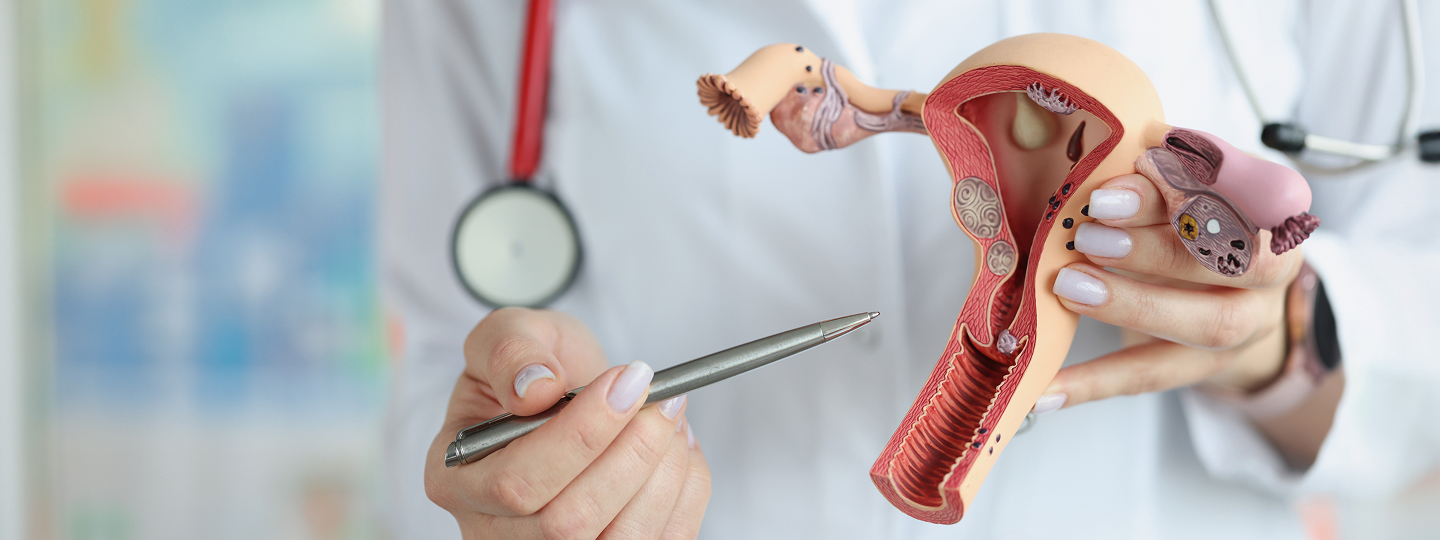
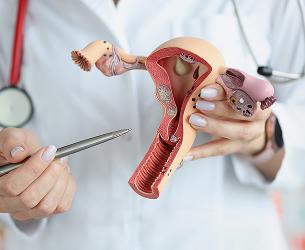
Obstetrics & Gynecology

Obstetrics & GynecologyObstetrics & Gynecology

About the Speciality

Our Department of Obstetrics & Gynaecology offers comprehensive, patient-centred care for women at every stage of life, from routine gynaecology to complex high-risk pregnancies. Consultant-led services are available 24/7, supported by extended OPD hours and a multidisciplinary team of obstetricians, gynaecologists, foetal-medicine specialists, anaesthetists and specialist nurses. Our facilities include modern birthing suites with continuous foetal monitoring, dedicated operating theatres for advanced and minimally invasive surgery, and 3D/4D imaging and colposcopy for precise diagnostics. We provide a full spectrum of care—labour and delivery (vaginal and caesarean), fertility and assisted-reproduction services (IVF/ICSI), laparoscopic and hysteroscopic procedures, gynaecologic oncology and comprehensive postnatal support—coordinated with neonatal and critical-care teams as needed.

Relevant diseases
& conditions

View All
Pregnancy-related Conditions
Physiological and hormonal changes occurring during pregnancy. Includes normal adaptations and conditions requiring medical monitoring.
Learn Morearrow
Postnatal Care / Postpartum Care and Birth Control Methods
Care provided to the mother and newborn immediately after delivery. Supports recovery, breastfeeding, and family planning.
Learn Morearrow
High-risk Pregnancy Management
Specialized care for pregnancies with increased risk to the mother or the baby. Focused on close monitoring, early detection, and timely interventions.
Learn Morearrow
Antenatal Check-up
Routine medical evaluation of pregnant women throughout gestation. Ensures healthy progress of the mother and the fetus. Detects early complications and guides interventions for optimal outcomes.
Learn Morearrow
Vulvitis, Vaginitis and Cervicitis
Vulvitis, vaginitis, and cervicitis are inflammations or infections of the external and internal female genital tract. Common causes include Candida, bacterial vaginosis (BV), Trichomonas, and irritants, often worsened by poor hygiene. Symptoms include itching, abnormal vaginal discharge, odor, and postcoital bleeding in cervicitis. Diagnosis involves vaginal swabs, microscopy, and pH testing. Untreated infections can lead to chronic inflammation and increase the risk of pelvic inflammatory disease (PID). Management focuses on infection treatment, avoiding irritants, maintaining hygiene, and practicing safe sexual behavior to prevent complications.
Learn Morearrow
Urinary Tract Infection (UTI) / Acute Vaginitis
Urinary tract infections (UTIs) and acute vaginitis are infections of the urinary or vaginal tract. UTIs are most commonly caused by E. coli, while vaginitis may result from Candida or bacterial vaginosis (BV). Risk factors include poor hygiene and sexual activity. Symptoms include burning during urination, increased frequency, and abnormal vaginal discharge or odor. Diagnosis involves urine analysis, culture, and vaginal swab microscopy. Management includes hydration, urination after intercourse, and appropriate antibiotic or antifungal therapy to prevent complications such as pyelonephritis or chronic infection.
Learn Morearrow
Screening for Genital Tract Malignancy (Pap Smear, etc.)
Screening for genital tract malignancy, including Pap smear and HPV testing, is essential for the early detection of precancerous cervical lesions, helping prevent progression to cervical cancer. Risk factors include human papillomavirus (HPV) infection, smoking, and multiple sexual partners. Early stages are usually asymptomatic, while later signs may include abnormal bleeding or unusual discharge. Diagnosis involves Pap smear, HPV testing, and colposcopy if indicated. Prevention relies on regular screening, HPV vaccination, and practicing safe sexual behavior to reduce the risk of cervical malignancy.
Learn Morearrow
Salpingitis / Oophoritis
Salpingitis and oophoritis are infections of the fallopian tubes and ovaries, commonly caused by untreated sexually transmitted infections (STIs) or ascending bacterial infections from the lower genital tract. Symptoms include pelvic pain, fever, and adnexal tenderness. Diagnosis involves pelvic ultrasound, cultures, and NAAT testing for STIs. If untreated, these infections can lead to serious complications such as tubal blockage, tubo-ovarian abscess, and infertility. Early antibiotic therapy and practicing safe sexual behavior are essential for effective treatment and prevention.
Learn Morearrow
Polyps in genital tract
Polyps in the female genital tract are benign growths that develop in the uterine or cervical lining, often influenced by estrogen stimulation or medications like tamoxifen. While small polyps may be asymptomatic, larger ones can cause irregular menstrual bleeding or abnormal vaginal discharge. Diagnosis involves ultrasound and hysteroscopy. Management includes hysteroscopic removal and histopathology evaluation to rule out malignancy. Early detection and treatment prevent persistent bleeding and minimize the rare risk of cancerous transformation, ensuring reproductive and overall gynecological health.
Learn Morearrow
Perimenopausal & menopausal symptoms
Perimenopause and menopause are natural hormonal transition periods in women that lead to the permanent cessation of menstruation. These changes occur due to ovarian aging or surgical removal of the ovaries. Common symptoms include hot flashes, mood changes, irregular cycles, and vaginal dryness. Diagnosis involves clinical evaluation and measurement of FSH levels, with bone density assessment (DEXA) when needed. Management focuses on hormone replacement therapy (HRT) when indicated, along with calcium and vitamin D supplementation, regular exercise, and lifestyle measures to prevent complications like osteoporosis and urogenital atrophy.
Learn Morearrow
PCOD & Infertility
PCOD-related infertility is caused by anovulation, a common feature of Polycystic Ovarian Disease (PCOD/PCOS), leading to difficulty conceiving. Women may experience irregular menstrual cycles, hormonal imbalances, and metabolic disturbances. Major risk factors include insulin resistance and obesity. Diagnosis involves assessing PCOS criteria, ovulation tracking, and hormonal profiling. Untreated cases can result in persistent infertility and metabolic syndrome. Management focuses on lifestyle modification, ovulation induction, and metformin therapy in insulin-resistant women to restore ovulation, improve fertility, and reduce long-term health risks.
Learn Morearrow
PCOD / Polycystic ovarian syndrome (PCOS)
Polycystic Ovarian Syndrome (PCOS) is a hormonal disorder causing irregular ovulation, hyperandrogenism, and polycystic ovaries. It commonly affects women of reproductive age and can lead to infertility and metabolic complications. Causes include insulin resistance, obesity, and genetic predisposition. Symptoms may include irregular periods, acne, excessive hair growth, weight gain, and difficulty conceiving. Diagnosis involves hormonal profiling, including LH/FSH ratio and testosterone levels, along with pelvic ultrasound. Management focuses on weight management, healthy diet, medical therapy such as metformin, and hormonal regulation to reduce complications.
Learn Morearrow
Pap Smear & Cervical Screening
Pap smear and cervical screening are routine procedures to detect abnormal cervical cells and human papillomavirus (HPV) infection. These tests help identify precancerous changes early, allowing timely intervention to prevent cervical cancer. Risk factors include HPV exposure, early sexual activity, and multiple sexual partners. Most women remain asymptomatic. Diagnosis involves Pap smear and HPV co-testing. Prevention focuses on following regular screening schedules, receiving HPV vaccination, and practicing safe sexual behavior to reduce the risk of undetected cervical abnormalities and progression to cervical cancer.
Learn Morearrow
Ovarian cysts
Ovarian cysts are fluid-filled sacs on the ovaries that may be functional or pathological. They commonly arise from hormonal fluctuations, endometriosis, or fertility treatments. Many cysts are asymptomatic, but larger cysts can cause pelvic pain, bloating, or sudden severe pain if rupture or torsion occurs. Diagnosis is made primarily via pelvic ultrasound, with CA-125 testing for complex cysts. Management involves regular monitoring for small cysts and surgical removal for large, persistent, or symptomatic cysts to prevent complications such as torsion, rupture, or infertility.
Learn Morearrow
Menstrual & hormonal disorders
Menstrual and hormonal disorders are conditions where disturbances in menstrual cycles or hormone levels affect ovulation and reproductive health. Common causes include hormonal imbalances (thyroid, prolactin, estrogen/progesterone), stress, obesity, excessive exercise, PCOS, and perimenopause. Symptoms may involve irregular or missed periods, heavy or light bleeding, mood swings, acne, and hair changes. Diagnosis includes hormonal profiling, pelvic ultrasound, and menstrual diary tracking. Management focuses on lifestyle modifications, stress control, balanced diet, and supervised hormonal therapy to prevent complications such as infertility, anemia, or endometrial hyperplasia.
Learn Morearrow
Irregular menstruation
Irregular menstruation is characterized by abnormal cycle length, frequency, or bleeding patterns. Common causes include thyroid disorders, polycystic ovary syndrome (PCOS), extreme weight changes, perimenopause, and stress. Symptoms often involve missed or frequent periods and spotting between cycles. Diagnosis typically includes pregnancy testing, hormonal evaluation (TSH, prolactin), and pelvic ultrasound. Complications can include anemia from heavy bleeding or infertility due to ovulatory dysfunction. Management focuses on regular cycle monitoring and treating underlying hormonal or structural causes to restore normal menstrual function and overall reproductive health.
Learn Morearrow
Fibroid uterus
Fibroids are benign tumors of the uterine muscle that can cause heavy menstrual bleeding, pelvic pressure, and reproductive issues. Their growth is influenced by hormones such as estrogen and progesterone, and risk factors include family history and obesity. Many fibroids are asymptomatic, but larger ones may cause discomfort or urinary symptoms. Diagnosis is primarily by pelvic ultrasound, with MRI for complex cases. Management includes monitoring small fibroids and medical or surgical treatment when symptoms or complications arise, such as anemia or fertility problems.
Learn Morearrow
Female pelvic inflammatory diseases
Pelvic Inflammatory Disease (PID) is a broad term for inflammation of the female pelvic organs, including the uterus, fallopian tubes, and ovaries, usually caused by infection. Most cases result from sexually transmitted infections (STIs) and are more likely with poor genital hygiene. Common symptoms include pelvic pain, abnormal vaginal discharge, and fever. Diagnosis relies on clinical assessment and ultrasound. Prompt antibiotic treatment, partner screening, and patient education are essential to prevent complications such as tubal scarring, chronic pelvic pain, and infertility.
Learn Morearrow
Female genital tract infection (PID)
Pelvic Inflammatory Disease (PID) is an infection that ascends through the female reproductive tract, affecting the uterus, fallopian tubes, and ovaries. It is most commonly caused by sexually transmitted infections such as Chlamydia and Gonorrhea, with risk factors including multiple sexual partners and poor genital hygiene. Symptoms include pelvic pain, fever, and abnormal vaginal discharge. Diagnosis is made via pelvic exam, NAAT testing for STIs, and ultrasound when needed. Early treatment prevents serious complications like infertility, ectopic pregnancy, and abscess formation.
Learn Morearrow
Endometriosis
Endometriosis is a chronic condition where endometrial tissue grows outside the uterus, often on the ovaries, fallopian tubes, or pelvic lining. This ectopic tissue responds to hormonal cycles, causing pain, inflammation, and sometimes infertility. Risk factors include retrograde menstruation and genetic predisposition. Symptoms typically include severe menstrual cramps, painful intercourse, and difficulty conceiving. Diagnosis involves ultrasound for endometriomas, with laparoscopy providing definitive confirmation. Management focuses on hormonal therapy, pain control, and surgical removal in severe cases to reduce symptoms and prevent complications.
Learn Morearrow
Endometrial Hyperplasia
Endometrial hyperplasia is the abnormal thickening of the uterine lining due to prolonged exposure to unopposed estrogen. It is commonly seen in women with obesity, polycystic ovary syndrome (PCOS), or those receiving estrogen therapy without progesterone. This condition may lead to heavy or irregular menstrual bleeding and can increase the risk of developing endometrial cancer if untreated. Diagnosis involves ultrasound to assess endometrial thickness and confirmation with biopsy. Management focuses on progestin therapy, weight management, and regular screening to prevent complications.
Learn Morearrow
Dysmenorrhea
Dysmenorrhea is painful menstruation caused by uterine contractions or underlying pelvic pathology. Primary dysmenorrhea results from hormonal prostaglandin release, while secondary dysmenorrhea arises from conditions such as endometriosis, fibroids, or pelvic inflammatory disease (PID). Symptoms include cramping pelvic pain, back discomfort, and nausea. Diagnosis is typically clinical, with pelvic ultrasound used for severe or persistent cases. Management focuses on relieving pain with NSAIDs, regulating cycles with hormonal therapy, using heat therapy, maintaining regular exercise, and addressing any underlying pelvic conditions.
Learn Morearrow
Cervical Intraepithelial Neoplasia (CIN)
Cervical Intraepithelial Neoplasia (CIN) is a precancerous condition involving abnormal changes in cervical cells, graded from CIN 1 (mild) to CIN 3 (severe). Persistent infection with high-risk human papillomavirus (HPV) is the main cause. CIN is often asymptomatic and detected through routine screening. Early diagnosis with Pap smear and colposcopy-guided biopsy allows timely treatment. Management focuses on removing high-grade lesions and preventing progression to invasive cervical cancer, along with vaccination and regular monitoring to maintain cervical health.
Learn Morearrow
Bartholin cyst / Abscess
A Bartholin cyst or abscess occurs when the duct of the Bartholin gland becomes blocked or infected. These glands, located on either side of the vaginal opening, normally secrete fluid for lubrication. Obstruction causes fluid accumulation forming a cyst, while infection can lead to abscess formation. Symptoms include painful swelling, discomfort, and sometimes fever. Diagnosis is usually clinical. Management focuses on drainage, often with a Word catheter, and antibiotics if infected, preventing recurrence and further complications.
Learn Morearrow
Infertility / Subfertility
Infertility or subfertility is the inability to conceive after 12 months of regular, unprotected intercourse. It can affect both men and women and arises from a variety of medical, hormonal, and structural factors. Common causes include PCOS, tubal blockages, endometriosis, and male factor infertility. Age, lifestyle, and environmental factors also play a role. Early diagnosis and management improve chances of conception. Treatments may include lifestyle changes, medications, procedures, or assisted reproductive technologies depending on the underlying cause.
Learn Morearrow
Previous
Next

Procedures & treatments provided

View All
Prenatal & Postnatal Care
Prenatal and postnatal care involves continuous monitoring of maternal and fetal health before and after childbirth. Regular check-ups include physical exams, blood pressure, urine tests, and ultrasound scans to ensure healthy pregnancy progression and detect complications early. Postnatal care focuses on maternal recovery, breastfeeding support, emotional well-being, and family planning guidance. This comprehensive care improves outcomes for both, mother and baby, supporting a smooth transition through pregnancy, childbirth, and early parenthood.
Learn Morearrow
Ultrasound & Fetal Monitoring
Ultrasound uses 2D sound waves to visualize the fetus, monitor fetal development, and In early pregnancy Ultrasound is essential to confirm pregnancy either single or multiple pregnancy, and determine gestational age. The 1st level 1 ultrasound is called nuchal translucency ( NT ) scan for all pregnant women to reassure the first trimester of pregnancy. It helps determine a fetus' risk of congenital conditions like Down syndrome. It's highly accurate when combined with other scans. The 2nd trimester is the most important ultrasound to detect anomalies called level 2 ultrasound, to reassure all fetal organ development and further assess amniotic fluid, and monitor placental location. In advance, the gestational age of pregnancy needs to do fetal Doppler with growth scan and fetal well-being and if required need to do 4D ultrasound. The procedure is safe, non-invasive, and provides vital information for prenatal care planning, ensuring both maternal and fetal safety throughout gestation.
Learn Morearrow
Normal & Cesarean Deliveries
Childbirth occurs through vaginal delivery (normal) or surgical intervention (cesarean). Normal delivery involves monitored labor, allowing the baby to be born through the birth canal, while cesarean delivery is a surgical procedure used when complications arise, it can be emergency cesarean or elective cesarean section. Both methods aim to ensure the safety of the mother and the baby. Pain relief, monitoring of fetal heart rate, and maternal vital signs are integral to normal delivery. Cesarean involves a controlled abdominal incision under anesthesia, with careful post-operative care to promote recovery.
Learn Morearrow
Menopause Counseling & Hormone Replacement Therapy (HRT)
Menopause counseling and HRT provide support and medical therapy for women experiencing menopausal symptoms. Counseling that focuses on lifestyle, bone issues, and emotional well-being, while HRT helps balance hormones via tablets, patches, creams, or gels. Treatment aims to relieve the symptoms of hot flashes, mood swings, vaginal dryness, and prevent osteoporosis, depression, sleep disturbance. Regular follow-up and monitoring ensure safety and efficacy, improving quality of life. Comprehensive care also includes guidance on diet, exercise, and preventive screenings for breast and pelvic health.
Learn Morearrow
Laparoscopy & Hysteroscopy
Laparoscopy and hysteroscopy are minimally invasive procedures for evaluating pelvic and uterine structures and organs. Laparoscopy involves a small abdominal key hole to see with a camera to view organs, while hysteroscopy examines the uterine cavity via a thin scope. These procedures help for two purposes, diagnostic and management ways. For the diagnosis purposes, to reassure during infertility treatment, pelvic pain , adhesions, or abnormal bleeding, septa in the uterus. Surgical interventions, such as ovarian cyst or removal of uterine fibroid or hysterectomy due to uterine abnormalities, can be performed simultaneously. Recovery is short with mild discomfort, allowing most patients to resume normal activities within days.
Learn Morearrow
Laparoscopic Hysterectomy & Myomectomy
These are minimally invasive surgical procedures to remove the uterus (hysterectomy) or fibroids (myomectomy). Using small incisions and a camera-guided laparoscope, surgeons can excise uterine tissue or fibroids while minimizing trauma. Laparoscopic myomectomy preserves fertility, while hysterectomy treats conditions like fibroids, heavy bleeding, endometriosis, or uterine prolapse. Recovery is faster compared to open surgery, with reduced pain and shorter hospital stays. Patients receive careful post-operative monitoring, pain management, and wound care guidance for safe recovery.
Learn Morearrow
Intrauterine Insemination (IUI)
IUI is a fertility procedure in which washed and concentrated sperm is directly placed into the uterus to improve chances of conception. It is used for mild male infertility, cervical mucus problems, or unexplained infertility. The procedure is timed with ovulation, often following with injection of ovulation induction. Semen is collected, processed in the laboratory and with a thin catheter semen entered into the uterine cavity . Recovery is minimal and normal activities can resume immediately. A pregnancy test is conducted after two weeks, followed by a follow-up as advised.
Learn Morearrow
Cardiotocography (CTG) – Fetal Monitoring
CTG is a non-invasive test used to monitor fetal heart rate and uterine contractions and fetal movements. It evaluates fetal well-being, detects distress, and guides labor management. Two sensor probes are placed on the mother’s abdomen—one measures the fetal heart rate and the other monitors contractions. Results are interpreted for baseline heart rate, variability, accelerations, and decelerations. CTG helps identify oxygenation issues and supports timely interventions, ensuring both maternal and fetal safety during pregnancy and labor.
Learn Morearrow
Abdominal & Pelvic Obstetric Examination
A physical examination performed during pregnancy to assess maternal reproductive organs and fetal health. It evaluates fetal growth, position, and development, and helps identify potential complications early. The procedure includes inspection, palpation (Leopold’s maneuvers), percussion, and auscultation, and may be complemented with the Doppler ultrasound or cardiotocography (CTG) for fetal heart monitoring. Non-invasive and safe, it guides obstetric care by estimating gestational age, assessing fetal lie and engagement, and detecting conditions like multiple pregnancies or intrauterine growth restriction (IUGR).
Learn Morearrow
Taking of Cervical Smear & Vaginal Pessaries
Taking a cervical smear and inserting a vaginal pessary are gynecological procedures with distinct purposes. A cervical smear (Pap test) collects cells from the cervix using a spatula or cytobrush to detect abnormal cells or HPV, aiding in early detection of cervical cancer. A vaginal pessary is a medical device inserted into the vagina to support pelvic organ prolapse, manage incontinence, or deliver local medications. Both procedures require sterile technique and proper fitting, with follow-up for results, pessary hygiene, and periodic removal or replacement.
Learn Morearrow
Removal of Foreign Body from Vagina
Removal of a foreign body from the vagina is a medical procedure to safely extract objects inserted accidentally or intentionally. It is performed to prevent infection, bleeding, ulceration, or other complications. The procedure involves a speculum examination, with the object removed manually or using forceps, often under local anesthesia. Ultrasound may be used if the object is not visible, and the area is assessed for trauma or infection. Post-procedure care includes monitoring for infection, administering antibiotics if needed, and counseling for intentional self-insertion cases.
Learn Morearrow
Removal of Cervical Polyp
Removal of a cervical polyp is a minor surgical procedure to excise benign growths from the cervical canal. It is performed when polyps cause abnormal bleeding, unusual discharge, or are detected during routine gynecological exams. The polyp is typically grasped and twisted off or removed using curettage, often under local anesthesia. The excised tissue is sent for histopathology to rule out malignancy. Recovery is usually quick, with only mild cramping or spotting, and temporary restrictions on sexual activity for proper healing.
Learn Morearrow
Pelvic Exam (External & Internal Genital Inspection)
A pelvic exam involves a physical assessment of the female reproductive organs, including the external genitalia, vagina, cervix, uterus, and ovaries. It is performed to evaluate symptoms such as pain, abnormal discharge, or irregular bleeding, and as part of routine gynecological check-ups. The procedure includes visual inspection, speculum examination, and bimanual palpation. Based on findings, additional tests like Pap smear, cultures, or ultrasound may be recommended. The exam is generally quick, safe, and causes minimal discomfort, requiring no special recovery.
Learn Morearrow
Pap Smear & HPV Testing
Pap smear and HPV testing are cervical screening procedures used to detect precancerous changes, cervical abnormalities, and infection with high-risk human papillomavirus (HPV). The tests are primarily done to identify early signs of cervical cancer and prevent progression. During the procedure, cervical cells are collected using a spatula or cytobrush, and HPV testing may be performed on the same or a separate sample. Results guide follow-up care, while the procedure itself is quick, minimally invasive, and usually causes only mild spotting in some women.
Learn Morearrow
Ovulation Induction
Ovulation induction is a fertility treatment designed to stimulate ovulation in women who have irregular or absent menstrual cycles. It is commonly used for conditions like PCOS or other hormonal disorders affecting ovulation. The procedure involves oral or injectable medications such as Clomiphene Citrate, Letrozole, or Gonadotropins, with close monitoring through ultrasounds and hormonal tests to track follicle growth. The goal is to produce one or more mature eggs for fertilization. Careful monitoring helps prevent complications like ovarian hyperstimulation and increases chances of conception through timed intercourse or IUI.
Learn Morearrow
Ovarian Cyst Removal / Cystectomy
Ovarian cyst removal, or cystectomy, is a surgical procedure to excise cysts from the ovary while preserving healthy ovarian tissue. It is performed to relieve symptoms, remove potentially malignant cysts, or preserve fertility. The procedure can be done laparoscopically for smaller cysts or via open surgery for larger or complex cysts. Preoperative imaging such as ultrasound, MRI, and tumor markers help guide surgical planning. Recovery is usually smooth, with mild abdominal discomfort, gradual resumption of daily activities, and follow-up imaging to assess healing and ovarian function.
Learn Morearrow
Medical Management for Menstrual Irregularities
Medical management for menstrual irregularities is a non-surgical approach to treat abnormal or irregular menstrual cycles. It aims at regulating cycles, reduce heavy bleeding, and address underlying hormonal imbalances. Treatment typically includes hormonal therapy such as oral contraceptives, progesterone, or GnRH analogues, and iron supplementation if anemia is present. Diagnosis involves hormonal profiling, ultrasound imaging, and hemoglobin assessment. Patients are monitored for cycle regularity, and medication doses are adjusted based on response. Follow-up ensures effectiveness, safety, and management of side effects.
Learn Morearrow
Intrauterine Contraceptive Device (IUCD) Insertion & Removal
IUCD insertion is a procedure to place a small T-shaped device inside the uterus, providing long-term, reversible contraception to prevent unintended pregnancies. A speculum is used to visualize the cervix, the uterus is measured, and the IUCD is inserted using a sterile applicator. Removal involves gently pulling the IUCD strings under sterile conditions. A pregnancy test may be done before insertion, and ultrasound is used if uterine abnormalities are suspected. Mild cramping or spotting may occur for 1–2 days, and monitoring for pain, heavy bleeding, or infection is recommended.
Learn Morearrow
Incision & Drainage (I&D) of Bartholin’s Abscess
Incision and drainage (I&D) of a Bartholin’s abscess is a surgical procedure to relieve painful swelling and prevent recurrent infection. The procedure is performed under local or general anesthesia. A small incision is made to drain pus, and sometimes marsupialization is done to reduce recurrence risk. Diagnosis is usually clinical, with ultrasound used, if necessary. Post-procedure care includes pain management, sitz baths, and antibiotics, if indicated. Sexual activity should be avoided until complete healing to ensure proper recovery and to prevent reinfection.
Learn Morearrow
Hysteroscopic Surgery
Hysteroscopic surgery is a minimally invasive procedure performed to diagnose and treat intrauterine conditions such as polyps, fibroids, adhesions, or abnormal bleeding. A hysteroscope is inserted through the cervix, and the uterine cavity is distended with saline or CO₂. Surgical instruments passed through the hysteroscope remove or treat lesions. Pre-procedure imaging, like ultrasound, hysterosalpingography, or endometrial biopsy may be done. Mild cramping or discharge may occur post-procedure. Sexual intercourse and strenuous activity should be avoided for 1–2 weeks, and follow-up visits ensure proper healing and symptom resolution.
Learn Morearrow
Family Planning Counseling
Family planning counseling provides professional guidance on reproductive health and contraceptive options. It helps individuals or couples plan pregnancies, prevent unintended pregnancies, and make informed decisions tailored to their medical history, lifestyle, and preferences. The counseling session includes discussion of hormonal, barrier, intrauterine, natural, or permanent sterilization methods. Optional assessments such as blood pressure, weight, or lab tests may be conducted if hormonal contraception is considered. No recovery is required, but follow-up is advised to ensure correct and safe use of the chosen contraceptive method.
Learn Morearrow
Endometrial Sampling / Biopsy
Endometrial sampling or biopsy is a procedure to remove a small tissue sample from the uterine lining for examination. It is performed to investigate abnormal uterine bleeding, infertility, or suspected endometrial pathology such as hyperplasia, malignancy, or infection. Techniques include Pipelle suction, curettage, or hysteroscopic-guided sampling, typically under local anesthesia, with general anesthesia in selected cases. The collected tissue undergoes histopathological analysis. Mild cramping or spotting may occur for 1–2 days post-procedure. Patients are advised to avoid strenuous activity and follow up with their doctor based on results.
Learn Morearrow
Cosmetic Gynecology
Cosmetic gynecology includes surgical and non-surgical procedures designed to enhance the appearance or function of the female genitalia. Common treatments are labiaplasty, vaginoplasty, and non-surgical laser therapies. Procedures are performed under local or general anesthesia depending on the complexity. Indications include labial asymmetry, vaginal laxity, or aesthetic concerns, as well as improving sexual satisfaction or comfort. Clinical evaluation ensures suitability, including infection screening. Post-procedure care focuses on pain management, wound care, and avoiding strenuous activity or sexual intercourse, with follow-up visits to monitor healing and achieve optimal outcomes.
Learn Morearrow
Contraceptive Implant Insertion/Removal
Contraceptive implant is a subdermal device placed under the skin of the upper arm to provide long-term, reversible contraception for 3–5 years. Insertion is performed under local anesthesia with a small incision using a specialized applicator. Removal involves locating and gently extracting the implant. A pregnancy test may be done before the insertion. Mild bruising or soreness at the site is common. Patients should keep the area clean and monitor for any swelling, infection, or complications during recovery to ensure safe and effective contraception.
Learn Morearrow
Cervical Screening & Cryocautery
Cervical screening uses Pap smear or HPV testing to detect precancerous changes early. Cryocautery treats abnormal cervical cells by freezing them with liquid nitrogen or carbon dioxide under colposcopic guidance. This procedure prevents progression to cervical cancer and is performed after abnormal screening results. Mild cramping or vaginal discharge may occur post-procedure. Recovery requires temporary precautions, including avoiding tampons, sexual intercourse, and swimming. Follow-up Pap smears ensure complete healing and confirm the effectiveness of treatment, maintaining long-term cervical health.
Learn Morearrow
Cervical Biopsy
A cervical biopsy involves removing a small tissue sample from the cervix for microscopic examination. It is performed to diagnose precancerous lesions, cervical cancer, or investigate abnormal Pap smear results. The procedure is done under local anesthesia using punch biopsy or cone biopsy techniques, often guided by a colposcope for precision. The tissue sample is sent for histopathological examination and may be combined with HPV testing. Mild cramping and spotting are common after the procedure, and proper post-procedure care ensures safe recovery.
Learn Morearrow
Breast Exam
Breast exam is a clinical evaluation of the breast tissues aimed at detecting lumps, asymmetry, or other abnormalities. It can be performed as part of routine screening or when patients report symptoms such as pain, swelling, or nipple discharge. The procedure involves visual inspection and manual palpation of the breasts and axillary regions. Based on findings, further imaging like mammography, ultrasound, or MRI may be recommended. No recovery is required, and patients are often taught self-exam techniques for ongoing monitoring and early detection.
Learn Morearrow
Previous
Next

Our Doctors

Expert care, now within reach

View All
Dr. Maha Haroun AlRabadi
More Infoarrow

Dr. Maha Haroun AlRabadi

Consultant, Obstetrics and Gynecology

Languages
  • Arabic
  • English
  • French
Location
  • Salmaniya
  • Hospital
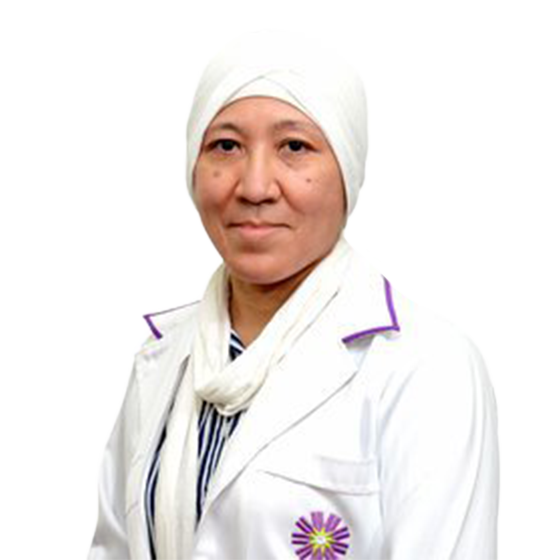
Dr. Siti Saleha  Yusof
More Infoarrow

Dr. Siti Saleha Yusof

Consultant, Obstetrics and Gynecology

Languages
  • English
  • Malayalam
Location
  • Janabiya
  • Medical Centre
Location
  • Salmaniya
  • Hospital
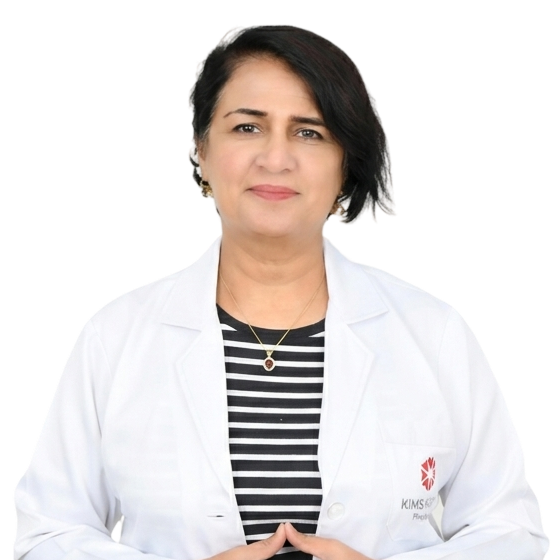
Dr. Kiran Bijlani
More Infoarrow

Dr. Kiran Bijlani

Consultant, Obstetrics and Gynecology

Languages
  • English
  • Hindi
Location
  • Janabiya
  • Medical Centre
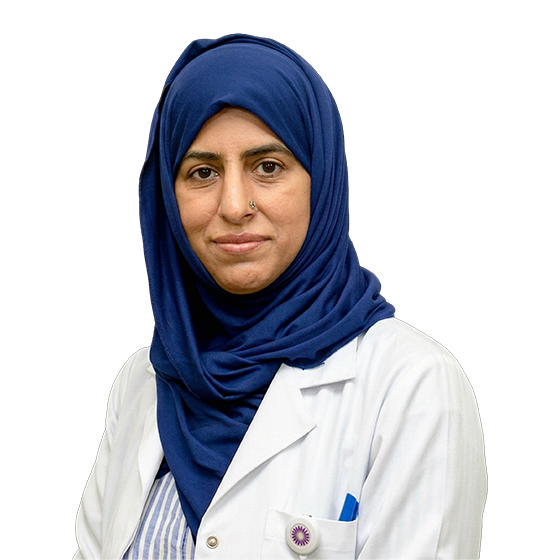
Dr. Nailah Nisar
More Infoarrow

Dr. Nailah Nisar

Consultant, Obstetrics and Gynecology

Languages
  • English
  • Hindi
Location
  • Janabiya
  • Medical Centre
Location
  • Salmaniya
  • Hospital
Dr. Saadia Haroon
More Infoarrow

Dr. Saadia Haroon

Specialist, Obstetrics and Gynecology

Languages
  • English
  • Hindi
Location
  • Janabiya
  • Medical Centre
Location
  • Salmaniya
  • Hospital
Dr. Sarah Ali Shaker
More Infoarrow

Dr. Sarah Ali Shaker

Specialist, Obstetrics and Gynecology

Languages
  • Arabic
  • English
Location
  • Janabiya
  • Medical Centre
Location
  • Salmaniya
  • Hospital
Left Arrow
Left Arrow

Available at

Find Us at Our Facilities

Royal Bahrain Hospital, Salmaniya Image

Royal Bahrain Hospital, Salmaniya

Royal Bahrain Hospital, Salmaniya Background Image

Royal Bahrain Hospital, Salmaniya

Orthopedics, Obstetrics and Gynecology, Urology, General Surgery, Cardiology and Plastic Surgery

+973 1724 6800

Get Directions

93

Doctors

77

Beds

15

Services

2011

Established in
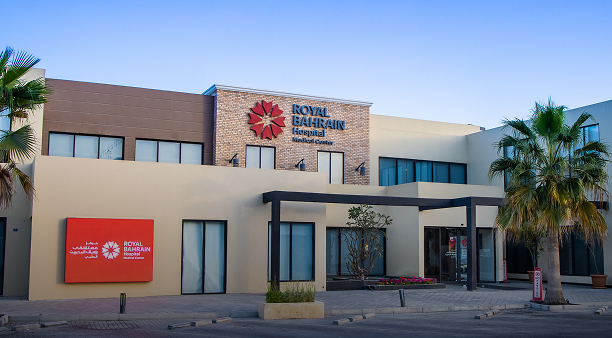
Learn More About This Facility
RBH Medical Center, Janabiya Image

RBH Medical Center, Janabiya

RBH Medical Center, Janabiya Background Image

RBH Medical Center, Janabiya

Orthopedics, Obstetrics and Gynecology, Urology, General Surgery and Cardiology

+973 1724 6800

Get Directions

40+

Doctors

10

Services

2021

Established in

Learn More About This Facility

More from KIMSHEALTH

Looking for something else?

Insurance Partners

Insurance Partners

Health Packages

Health Packages

KIMSHEALTH App

KIMSHEALTH App

Footer Background
Footer Logo

Our Facilities

  • Salmaniya (Hospital)
  • Janabiyah (Medical Centre)

Specialities

Contact Us

Plan Your Visit

  • Find a Doctor
  • Find Insurance Partner
  • KIMSHEALTH Seha Card

Packages & Services

  • Health Packages
  • Health at Home
  • Dialysis
  • Maternity Packages

Support

  • Patient & Visitor FAQs
  • Regional Sitemap

Health Library

Careers

  • Life at KIMSHEALTH
  • Job Listings

Smartphone-Free Childhood Bahrain

ACCN Course Payment

Copyright © 2026. KIMSHEALTH. All Rights Reserved

Instagram IconFacebook IconSnapchat IconTiktok Icon

Download the App

Google PlayApp Store