Emergency Helpline: 8000 7070+97332181810MyKIMS Login
KIMS Royal Bahrain Hospital

Doctors & Specialities

Explore all Doctors
Explore all Specialities
Explore all Diseases and Conditions
Explore all Procedures
Emergency Helpline: 8000 7070+97332181810Patient StoriesKIMSHEALTH Seha Card

Packages & Services

Explore all Health Packages
Insurance Partner
Explore all Health Services
Emergency Helpline: 8000 7070+97332181810Patient StoriesKIMSHEALTH Seha Card
|
Royal Bahrain Hospital, Salmaniya
RBH Medical Center, Janabiyah
Who We Are
Contact Us
Quality & Accreditations
Leadership
Media & Newsroom
Our Network
Emergency Helpline: 8000 7070+97332181810Patient StoriesKIMSHEALTH Seha Card
Emergency: 8000 7070 +97332181810
  • Explore all DoctorsExplore all SpecialitiesExplore all Diseases and ConditionsExplore all Procedures
  • Explore all Health PackagesInsurance PartnerExplore all Health Services
  • Our Facilities

    Royal Bahrain Hospital, SalmaniyaRBH Medical Center, Janabiyah

    About Us

    Who We AreContact UsQuality & AccreditationsLeadershipMedia & NewsroomOur Network
Emergency Helpline: 8000 7070+97332181810Patient StoriesKIMSHEALTH Seha Card
HomeDoctorsDr. Hossameldin Mohamed
Emergency and Critical Care

Dr. Hossameldin Mohamed

Specialist, Intensive Care

13 years of experience
Royal Bahrain Hospital, Salmaniya
Dr. Hossameldin Mohamed

About

Dr. Hossameldin Mohamed is a Specialist in Emergency and Critical Care at Royal Bahrain Hospital, with 13 years of experience. He holds a Master’s degree in Anaesthesia and Critical Care and the European Diploma in Intensive Care (EDIC). He is experienced in the rapid assessment, resuscitation and stabilisation of critically ill and injured patients, including advanced airway management, cardiac and respiratory emergencies, trauma care and point-of-care ultrasound.

Education & Training

  • Master’s Degree in Anaesthesia and Critical Care
  • European Diploma in Intensive Care (EDIC)

Clinical Expertise & Procedures Offered

  • Advanced airway management: endotracheal intubation, supraglottic airway device placement, cricothyrotomy
  • Resuscitation techniques: Advanced Cardiac Life Support, Pediatric Advanced Life Support, trauma resuscitation (ATLS protocols)
  • Critical interventions: central venous catheter insertion, chest tube thoracostomy, pericardiocentesis
  • Emergency procedures: fracture reduction and splinting, wound repair and suturing, abscess drainage, lumbar puncture
  • Point-of-care diagnostics: bedside ultrasound (FAST exam, cardiac, vascular), ECG interpretation, rapid laboratory and imaging decision-making

Conditions Managed

  • Acute trauma: rapid assessment and stabilisation of life-threatening injuries
  • Cardiac emergencies: myocardial infarction, arrhythmias and cardiac arrest
  • Respiratory emergencies: airway management, mechanical ventilation, acute asthma and COPD exacerbations
  • Neurological emergencies: stroke recognition, seizure control and head injury management
  • Sepsis and shock: early recognition and resuscitation protocols
  • Toxicology and poisoning: antidote administration and decontamination
  • Pediatric emergencies: specialised care for infants and children in acute distress
  • Disaster and mass casualty preparedness: triage and coordination in large-scale emergencies

Dr. Hossameldin Mohamed is a Specialist in Emergency and Critical Care at Royal Bahrain Hospital, with 13 years of experience. He holds a Master’s degree in Anaesthesia and Critical Care and the European Diploma in Intensive Care (EDIC). He is experienced in the rapid assessment, resuscitation and stabilisation of critically ill and injured patients, including advanced airway management, cardiac and respiratory emergencies, trauma care and point-of-care ultrasound.

  • Master’s Degree in Anaesthesia and Critical Care
  • European Diploma in Intensive Care (EDIC)
  • Advanced airway management: endotracheal intubation, supraglottic airway device placement, cricothyrotomy
  • Resuscitation techniques: Advanced Cardiac Life Support, Pediatric Advanced Life Support, trauma resuscitation (ATLS protocols)
  • Critical interventions: central venous catheter insertion, chest tube thoracostomy, pericardiocentesis
  • Emergency procedures: fracture reduction and splinting, wound repair and suturing, abscess drainage, lumbar puncture
  • Point-of-care diagnostics: bedside ultrasound (FAST exam, cardiac, vascular), ECG interpretation, rapid laboratory and imaging decision-making
  • Acute trauma: rapid assessment and stabilisation of life-threatening injuries
  • Cardiac emergencies: myocardial infarction, arrhythmias and cardiac arrest
  • Respiratory emergencies: airway management, mechanical ventilation, acute asthma and COPD exacerbations
  • Neurological emergencies: stroke recognition, seizure control and head injury management
  • Sepsis and shock: early recognition and resuscitation protocols
  • Toxicology and poisoning: antidote administration and decontamination
  • Pediatric emergencies: specialised care for infants and children in acute distress
  • Disaster and mass casualty preparedness: triage and coordination in large-scale emergencies

Conditions treated

View All
Coronary Artery Disease – Acute (Heart Attack / Myocardial Infarction)
Acute Coronary Artery Disease, commonly called a heart attack or myocardial infarction, occurs when blood flow to a part of the heart is blocked, usually by a blood clot in a coronary artery. This deprives heart muscle of oxygen, causing tissue damage or death. Rapid recognition and treatment are critical to reduce complications. Risk factors include high blood pressure, high cholesterol, diabetes, smoking, and lifestyle habits. Timely medical care improves survival and heart function recovery.
Learn Morearrow
Arrhythmias (Irregular Heartbeat)
Arrhythmias are disorders of the heart’s electrical system that cause irregular - too fast, or too slow heartbeats. They occur when electrical signals that coordinate heart contractions malfunction. Some arrhythmias are harmless and temporary, while others can reduce blood flow, increase stroke risk, or cause sudden cardiac events. Early detection, proper evaluation, and appropriate treatment help control symptoms, prevent complications, and support long-term heart health. Management plans are individualized based on type, severity, and overall patient health and lifestyle risk factors.
Learn Morearrow
Asthma & COPD
Asthma and Chronic Obstructive Pulmonary Disease (COPD) are chronic respiratory disorders that affect airflow and breathing. Asthma is characterised by airway inflammation and narrowing triggered by allergens, exercise, or irritants, often reversible with treatment. COPD, including chronic bronchitis and emphysema, causes long-term airflow obstruction, usually due to smoking or environmental exposure. Both conditions can lead to breathlessness, cough, and fatigue. Early diagnosis, medication, lifestyle changes, and avoiding triggers help control symptoms, improve lung function, and enhance quality of life.
Learn Morearrow
Traumatic Brain Injury (TBI)
Traumatic Brain Injury is an acquired injury to the brain resulting from an external force, leading to temporary or permanent neurological dysfunction. Severity ranges from mild (concussion) to severe, with potential for long-term physical, cognitive, and psychosocial impairment.
Learn Morearrow
Fractures, dislocations, and orthopedic trauma
Fractures are bone breaks, and dislocations are joint misalignments caused by trauma or accidents. Common causes include falls, sports injuries, osteoporosis, and road accidents. Diagnosis involves X-rays, CT, or MRI. Complications include improper healing, infection, and chronic pain. Management focuses on prompt immobilization, bone-strengthening diet, protective gear during activities, and timely medical intervention to ensure proper healing and restore function.
Learn Morearrow
Pneumothorax (Spontaneous or Traumatic)
Pneumothorax occurs when air enters the pleural space, causing partial or complete lung collapse. It can be life-threatening, especially if it progresses to tension pneumothorax. Spontaneous pneumothorax is common in tall, thin males or those with underlying lung disease, while traumatic pneumothorax results from blunt or penetrating chest injuries. Diagnosis is confirmed by chest X-ray or ultrasound. Management includes needle decompression for tension pneumothorax and chest tube insertion for larger collapses. Prevention involves avoiding smoking and controlling lung conditions.
Learn Morearrow
Previous
Next

Available at

Find Us at Our Facilities
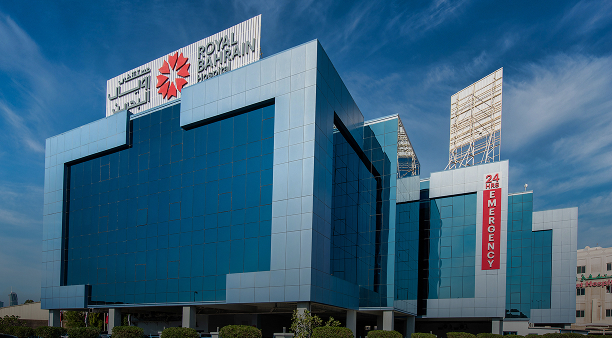
Royal Bahrain Hospital, Salmaniya Image

Royal Bahrain Hospital, Salmaniya

Royal Bahrain Hospital, Salmaniya Background Image

Royal Bahrain Hospital, Salmaniya

Orthopedics, Obstetrics and Gynecology, Urology, General Surgery, Cardiology and Plastic Surgery

+973 1724 6800

Get Directions

93

Doctors

77

Beds

15

Services

2011

Established in

Learn More About This Facility

More from KIMSHEALTH

Looking for something else?

Insurance Partners

Insurance Partners

Health Packages

Health Packages

KIMSHEALTH App

KIMSHEALTH App

Footer Background
Footer Logo

Our Facilities

  • Salmaniya (Hospital)
  • Janabiyah (Medical Centre)

Specialities

Contact Us

Plan Your Visit

  • Find a Doctor
  • Find Insurance Partner
  • KIMSHEALTH Seha Card

Packages & Services

  • Health Packages
  • Health at Home
  • Dialysis
  • Maternity Packages

Support

  • Patient & Visitor FAQs
  • Regional Sitemap

Health Library

Careers

  • Life at KIMSHEALTH
  • Job Listings

Smartphone-Free Childhood Bahrain

ACCN Course Payment

Copyright © 2026. KIMSHEALTH. All Rights Reserved

Instagram IconFacebook IconSnapchat IconTiktok Icon

Download the App

Google PlayApp Store