
Emergency Helpline: 8000 7070+97332181810MyKIMS Login
KIMS Royal Bahrain Hospital

Doctors & Specialities

Explore all Doctors
Explore all Specialities
Explore all Diseases and Conditions
Explore all Procedures
Emergency Helpline: 8000 7070+97332181810Patient StoriesKIMSHEALTH Seha Card

Packages & Services

Explore all Health Packages
Insurance Partner
Explore all Health Services
Emergency Helpline: 8000 7070+97332181810Patient StoriesKIMSHEALTH Seha Card
|
Royal Bahrain Hospital, Salmaniya
RBH Medical Center, Janabiyah
Who We Are
Contact Us
Quality & Accreditations
Leadership
Media & Newsroom
Our Network
Emergency Helpline: 8000 7070+97332181810Patient StoriesKIMSHEALTH Seha Card
Emergency: 8000 7070 +97332181810
  • Explore all DoctorsExplore all SpecialitiesExplore all Diseases and ConditionsExplore all Procedures
  • Explore all Health PackagesInsurance PartnerExplore all Health Services
  • Our Facilities

    Royal Bahrain Hospital, SalmaniyaRBH Medical Center, Janabiyah

    About Us

    Who We AreContact UsQuality & AccreditationsLeadershipMedia & NewsroomOur Network
Emergency Helpline: 8000 7070+97332181810Patient StoriesKIMSHEALTH Seha Card
HomeSpecialitiesNephrology

Nephrology

NephrologyNephrology

About the Speciality

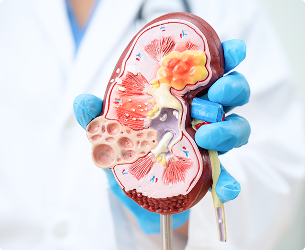
The Department of Nephrology provides comprehensive kidney care, from diagnosis to medical management to advanced dialysis and transplantation. We treat kidney stones, glomerular disease, diabetic kidney problems, and hypertension, and provide pediatric nephrology and onconephrology care when necessary. Our team manages living-donor, high risk, and ABO-incompatible transplants through modern dialysis units (hemodialysis, peritoneal dialysis, HDF and CRRT for critically ill patients), interventional nephrology procedures, and a leading transplant program. Recognised for excellence — ranked No. 2 in Outlook’s 2025 Best Nephrology Centres — KIMSHEALTH is a trusted destination for complete kidney care.

Relevant diseases
& conditions

View All
Electrolyte imbalance
Electrolyte imbalance occurs when the levels of essential minerals such as sodium, potassium, calcium, phosphorus or magnesium in the body become too high or too low. These electrolytes are vital for nerve function, muscle movement, heartbeat regulation, and fluid balance. Imbalances can result from dehydration, kidney disease, hormonal disorders, or certain medications. Symptoms may range from mild to severe and can become life-threatening if not treated promptly. Early diagnosis and proper management help restore balance and prevent complications.
Learn Morearrow
Hemodialysis
Hemodialysis is a medical treatment used to remove waste products, excess fluids, and toxins from the blood when the kidneys are no longer able to function properly. It is commonly required in advanced stages of chronic kidney disease or kidney failure. During hemodialysis, blood is filtered through a machine and then returned to the body. The procedure helps maintain fluid balance, control blood pressure, and improve overall well-being, allowing patients to continue daily activities with proper care.
Learn Morearrow
Pregnancy-related renal diseases
Pregnancy-related renal diseases are kidney conditions that develop during pregnancy or are worsened by pregnancy. These include preeclampsia, acute kidney injury, urinary tract infections, and worsening of pre-existing kidney disease. Hormonal changes, increased blood volume, and blood pressure fluctuations can place extra stress on the kidneys. Early detection through regular antenatal checkups is essential. Prompt treatment helps protect both maternal and fetal health and reduces the risk of long-term kidney complications after delivery.
Learn Morearrow
Tubulopathies
Tubulopathies are a group of kidney disorders that affect the renal tubules, which are responsible for reabsorbing water, electrolytes, and nutrients from the urine. When these tubules do not function properly, it leads to imbalances in fluids, electrolytes, and acid–base levels in the body. Tubulopathies may be inherited or acquired and can occur in both children and adults. Early diagnosis and appropriate management are important to prevent complications and protect long-term kidney function.
Learn Morearrow
Polycystic Kidney Disease
Polycystic Kidney Disease (PKD) is a genetic disorder characterized by the growth of multiple fluid-filled cysts in the kidneys. These cysts enlarge over time, causing the kidneys to increase in size and gradually lose function. PKD can affect both adults and children and may also involve other organs such as the liver. Early stages may have few symptoms, but the condition can progress to chronic kidney disease or kidney failure. Regular monitoring and early management help slow disease progression.
Learn Morearrow
Renal colic
Renal colic is a severe type of pain caused by the sudden blockage of urine flow, most commonly due to kidney stones moving within the urinary tract. The pain usually starts in the lower back or side and may radiate to the abdomen or groin. Renal colic often occurs suddenly and can be extremely intense. Prompt medical attention is important to relieve pain, manage the obstruction, and prevent complications such as infection or kidney damage.
Learn Morearrow
Hypertensive Kidney Disease
Hypertensive Kidney Disease is a condition in which long-standing high blood pressure causes gradual damage to the kidneys. Persistent elevated blood pressure damages blood vessels in the kidneys, reducing their ability to filter waste and excess fluids effectively. The condition often develops silently, with symptoms appearing only in advanced stages. If left untreated, it can progress to chronic kidney disease or kidney failure. Early diagnosis, strict blood pressure control, and regular monitoring are essential to slow disease progression.
Learn Morearrow
Diabetic Nephropathy
Diabetic Nephropathy is a kidney condition caused by long-term damage from uncontrolled diabetes. High blood sugar levels gradually damage the kidney’s filtering units, leading to protein leakage into the urine and reduced kidney function. The condition develops slowly and may not show symptoms in the early stages. Without proper management, it can progress to chronic kidney disease or kidney failure. Strict blood sugar control, regular kidney monitoring, and early treatment play a key role in slowing disease progression.
Learn Morearrow
Glomerulonephritis
Glomerulonephritis is a kidney condition that causes inflammation of the glomeruli, the tiny filtering units inside the kidneys. This inflammation affects the kidneys’ ability to remove waste and excess fluid from the blood. It may develop suddenly or gradually and can be caused by infections, autoimmune diseases, or certain systemic conditions. Early diagnosis and proper treatment are essential to prevent kidney damage. If left untreated, glomerulonephritis can lead to chronic kidney disease or kidney failure.
Learn Morearrow
Acute Kidney Injury (AKI)
Acute Kidney Injury (AKI) is a sudden loss of kidney function that occurs over hours or days. It leads to the buildup of waste products, fluids, and electrolyte imbalance in the body. AKI can develop due to severe infections, dehydration, reduced blood flow to the kidneys, or exposure to certain medications or toxins. Early diagnosis and timely treatment are crucial, as AKI is often reversible. If not managed properly, it can lead to serious complications or progress to chronic kidney disease.
Learn Morearrow
Chronic Kidney Disease (CKD)
Chronic Kidney Disease (CKD) is a long-term condition where the kidneys gradually lose their ability to filter waste and excess fluids from the blood. It usually develops slowly over months or years and is commonly caused by diabetes, high blood pressure, or prolonged kidney damage. In the early stages, CKD may show few symptoms, making regular screening important. Proper management can slow disease progression, reduce complications, and help maintain quality of life.
Learn Morearrow
Previous
Next

Procedures & treatments provided

View All
Immunosuppressants (For Glomerulonephritis, Nephrotic Syndrome)
Immunosuppressant therapy is used to control kidney diseases such as glomerulonephritis and nephrotic syndrome that occur due to abnormal immune system activity. These medications reduce inflammation and immune attacks on the kidney filters (glomeruli), helping to decrease protein loss in urine and preserve kidney function. Commonly used drugs include corticosteroids and other immunosuppressive agents. Careful monitoring is essential to balance treatment benefits while minimizing side effects and infection risks.
Learn Morearrow
Dietary Modifications (Salt Restriction)
Dietary modification, particularly salt restriction, is an essential part of managing kidney disease, high blood pressure, and heart conditions. Reducing salt intake helps control blood pressure, decrease fluid retention, and reduce strain on the kidneys and heart. A low-sodium diet supports the effectiveness of medications and helps prevent swelling and breathlessness. Patients are advised to choose fresh foods, limit processed items, and follow individualized dietary plans for better long-term health outcomes.
Learn Morearrow
Lifestyle / Monitoring
Lifestyle modification and regular monitoring play a crucial role in preventing disease progression and maintaining overall health, especially in chronic conditions such as kidney disease, diabetes, and hypertension. This approach includes healthy dietary habits, physical activity, weight control, stress management, and routine health checks. Regular monitoring of blood pressure, blood sugar, kidney function, and other parameters helps detect changes early. Adopting a balanced lifestyle alongside medical care improves long-term outcomes and quality of life.
Learn Morearrow
Electrolyte Correction and Management
Electrolyte correction and management involves treating imbalances of essential minerals such as sodium, potassium, calcium, and magnesium in the body. These imbalances commonly occur due to kidney disease, dehydration, medications, or hormonal disorders. Proper electrolyte balance is vital for nerve function, muscle movement, heart rhythm, and overall metabolic stability. Management includes careful monitoring, dietary modifications, oral or intravenous supplementation, and medication adjustments to restore and maintain safe electrolyte levels.
Learn Morearrow
Antibiotics (For Urinary Tract Infections)
Antibiotic therapy is the primary treatment for urinary tract infections (UTIs), which occur when bacteria infect any part of the urinary system. Antibiotics work by eliminating the infection-causing bacteria, relieving symptoms such as pain, burning during urination, and frequent urges to urinate. The choice and duration of antibiotics depend on the type of infection, severity, and patient health status. Early and appropriate treatment helps prevent complications and recurrence.
Learn Morearrow
Blood Sugar Management (For Diabetic Kidney Disease)
Blood sugar management is essential in diabetic kidney disease to slow kidney damage and prevent complications. It involves the use of insulin, oral antidiabetic medications, and lifestyle modifications to maintain optimal glucose levels. Careful control of blood sugar helps reduce stress on the kidneys, lowers the risk of progression to kidney failure, and improves overall health. Regular monitoring, medication adjustments, and dietary planning are key components of effective long-term management.
Learn Morearrow
Blood Pressure Control (Ace Inhibitors, Arbs, Other Antihypertensives)
Blood pressure control involves using medications to maintain healthy blood pressure levels and reduce the risk of heart, kidney, and stroke-related complications. Commonly prescribed drugs include ACE inhibitors, ARBs, calcium channel blockers, beta blockers, and diuretics. These medications work by relaxing blood vessels, reducing fluid overload, or slowing heart rate. Effective blood pressure management requires regular monitoring, medication adherence, and lifestyle modifications to achieve long-term cardiovascular and renal protection.
Learn Morearrow
Medications / Medical Management
Medical management involves the use of medications and non-surgical treatments to control diseases, relieve symptoms, and prevent complications. It includes prescribing appropriate drugs, lifestyle advice, and regular monitoring based on the patient’s condition. Medical management is commonly used for chronic illnesses such as diabetes, hypertension, kidney disease, and infections. The goal is to stabilize health, improve quality of life, and reduce the need for invasive procedures through timely and effective treatment plans.
Learn Morearrow
Catheter Placement for Dialysis or Urinary Drainage
Catheter placement is a minor medical procedure used to allow dialysis access or urinary drainage when normal pathways are not adequate. For dialysis, a catheter is placed into a large vein to enable blood flow during treatment. For urinary drainage, a catheter is inserted into the bladder to drain urine safely. The procedure is usually performed under sterile conditions with local anesthesia. Catheter placement helps relieve symptoms, prevents complications, and supports effective treatment and patient comfort.
Learn Morearrow
Dialysis (Hemodialysis & Peritoneal Dialysis)
Dialysis is a medical treatment that performs the function of the kidneys when they are unable to work effectively. It helps remove waste products, excess fluids, and toxins from the blood while maintaining a healthy balance of electrolytes. There are two main types: Hemodialysis, where blood is filtered through a machine, and Peritoneal Dialysis, which uses the lining of the abdomen to clean the blood. Dialysis improves quality of life and supports long-term kidney health.
Learn Morearrow
Previous
Next

Our Doctors

Expert care, now within reach

View All
Dr.Muhiad Elias Salih
More Infoarrow

Dr.Muhiad Elias Salih

Consultant, Nephrologist

Languages
  • Arabic
  • English
Location
  • Janabiya
  • Medical Centre
Location
  • Salmaniya
  • Hospital

Available at

Find Us at Our Facilities
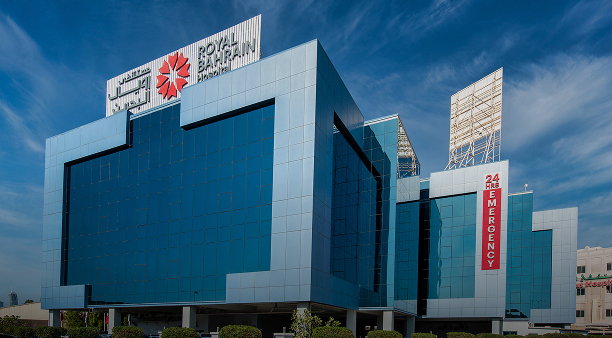
Royal Bahrain Hospital, Salmaniya Image

Royal Bahrain Hospital, Salmaniya

Royal Bahrain Hospital, Salmaniya Background Image

Royal Bahrain Hospital, Salmaniya

Orthopedics, Obstetrics and Gynecology, Urology, General Surgery, Cardiology and Plastic Surgery

+973 1724 6800

Get Directions

93

Doctors

77

Beds

15

Services

2011

Established in

Learn More About This Facility

More from KIMSHEALTH

Looking for something else?

Insurance Partners

Insurance Partners

Health Packages

Health Packages

KIMSHEALTH App

KIMSHEALTH App

Footer Background
Footer Logo

Our Facilities

  • Salmaniya (Hospital)
  • Janabiyah (Medical Centre)

Specialities

Contact Us

Plan Your Visit

  • Find a Doctor
  • Find Insurance Partner
  • KIMSHEALTH Seha Card

Packages & Services

  • Health Packages
  • Health at Home
  • Dialysis
  • Maternity Packages

Support

  • Patient & Visitor FAQs
  • Regional Sitemap

Health Library

Careers

  • Life at KIMSHEALTH
  • Job Listings

Smartphone-Free Childhood Bahrain

ACCN Course Payment

Copyright © 2026. KIMSHEALTH. All Rights Reserved

Instagram IconFacebook IconSnapchat IconTiktok Icon

Download the App

Google PlayApp Store