Emergency Helpline: 8000 7070+97332181810MyKIMS Login
KIMS Royal Bahrain Hospital

Doctors & Specialities

Explore all Doctors
Explore all Specialities
Explore all Diseases and Conditions
Explore all Procedures
Emergency Helpline: 8000 7070+97332181810Patient StoriesKIMSHEALTH Seha Card

Packages & Services

Explore all Health Packages
Insurance Partner
Explore all Health Services
Emergency Helpline: 8000 7070+97332181810Patient StoriesKIMSHEALTH Seha Card
|
Royal Bahrain Hospital, Salmaniya
RBH Medical Center, Janabiyah
Who We Are
Contact Us
Quality & Accreditations
Leadership
Media & Newsroom
Our Network
Emergency Helpline: 8000 7070+97332181810Patient StoriesKIMSHEALTH Seha Card
Emergency: 8000 7070 +97332181810
  • Explore all DoctorsExplore all SpecialitiesExplore all Diseases and ConditionsExplore all Procedures
  • Explore all Health PackagesInsurance PartnerExplore all Health Services
  • Our Facilities

    Royal Bahrain Hospital, SalmaniyaRBH Medical Center, Janabiyah

    About Us

    Who We AreContact UsQuality & AccreditationsLeadershipMedia & NewsroomOur Network
Emergency Helpline: 8000 7070+97332181810Patient StoriesKIMSHEALTH Seha Card
HomeDoctorsDr. Suhail Abdul Gafoor
Orthopedics

Dr. Suhail Abdul Gafoor

Specialist, Orthopedic Surgery

25+ years of experience
English, Malayalam, Tamil, Arabic & Hindi
Royal Bahrain Hospital, Salmaniya
RBH Medical Center, Janabiya
Dr. Suhail Abdul Gafoor

About

Dr. Suhail Abdul Gafoor is a Specialist Orthopedic Surgeon with over 25 years of clinical experience across India and Bahrain. A Gold Medallist in Orthopaedics, he specializes in the surgical and non-surgical management of fractures in both adults and children. His expertise includes sports injuries, osteoarthritis, neck and back pain, tendon injuries, and a wide range of upper and lower limb conditions. Dr. Suhail also performs procedures such as total knee replacement, PRP injections, and treatments for conditions like carpal tunnel syndrome, plantar fasciitis, and tennis elbow, focusing on restoring mobility and relieving pain.

Education & Training

  • MS Orthopaedics
  • DIP. Orthopaedics
  • MBBS

Clinical Expertise & Procedures Offered

  • Surgical And Non Surgical Management Of All Fractures – Adult
  • Surgical And Non Surgical Management Of All Paediatric Fractures
  • Total Knee Replacement
  • Sports Injuries
  • Bone And Joint Infections
  • Tendo-achilles Rupture, Tendon Injuries
  • Soft Tissue Procedures Like Carpal Tunnel
  • Syndrome,trigger Finger
  • Benign Bone And Soft Tissue Tumor Excision
  • Prp Injections And Cortisone Shots For
  • Joints And Sports Injuries
  • Hyaluronic ACID Injection For Osteoarthritis
  • Fractures In Children And Adults
  • Sports Injuries
  • Neck And Back Pain
  • Ingrown Nail
  • Carpal Tunnel Syndrome,tennis
  • Elbow,trigger Finger ,dequervains Wrist
  • Osteoarthritis
  • Plantar Facitis
  • Tennis Elbow, Golfers Elbow
  • Olecranon Bursitis
  • Ganglion
  • Osteochondroma

Dr. Suhail Abdul Gafoor is a Specialist Orthopedic Surgeon with over 25 years of clinical experience across India and Bahrain. A Gold Medallist in Orthopaedics, he specializes in the surgical and non-surgical management of fractures in both adults and children. His expertise includes sports injuries, osteoarthritis, neck and back pain, tendon injuries, and a wide range of upper and lower limb conditions. Dr. Suhail also performs procedures such as total knee replacement, PRP injections, and treatments for conditions like carpal tunnel syndrome, plantar fasciitis, and tennis elbow, focusing on restoring mobility and relieving pain.

  • MS Orthopaedics
  • DIP. Orthopaedics
  • MBBS
  • Surgical And Non Surgical Management Of All Fractures – Adult
  • Surgical And Non Surgical Management Of All Paediatric Fractures
  • Total Knee Replacement
  • Sports Injuries
  • Bone And Joint Infections
  • Tendo-achilles Rupture, Tendon Injuries
  • Soft Tissue Procedures Like Carpal Tunnel
  • Syndrome,trigger Finger
  • Benign Bone And Soft Tissue Tumor Excision
  • Prp Injections And Cortisone Shots For
  • Joints And Sports Injuries
  • Hyaluronic ACID Injection For Osteoarthritis
  • Fractures In Children And Adults
  • Sports Injuries
  • Neck And Back Pain
  • Ingrown Nail
  • Carpal Tunnel Syndrome,tennis
  • Elbow,trigger Finger ,dequervains Wrist
  • Osteoarthritis
  • Plantar Facitis
  • Tennis Elbow, Golfers Elbow
  • Olecranon Bursitis
  • Ganglion
  • Osteochondroma

Conditions treated

View All
Polyarthralgia including Inflammatory Polyarthropathy
Polyarthralgia is pain affecting multiple joints and may be inflammatory (e.g., rheumatoid arthritis) or non-inflammatory. Causes include autoimmune disorders, infections, metabolic conditions, or family history. Symptoms include joint pain, swelling, stiffness, fatigue, and morning stiffness. Diagnosis involves blood tests (RF, anti-CCP, ESR), X-rays, or ultrasound. Complications include joint deformities and functional disability. Management emphasizes early diagnosis, disease-modifying therapy, physiotherapy, and adherence to anti-inflammatory medications to reduce pain, preserve joint function, and prevent long-term disability.
Learn Morearrow
Muscle Strains or Tears
Muscle strains or tears occur when muscles or tendons are overstretched or partially/fully torn, commonly affecting athletes and active individuals. They often result from overuse, improper warm-up, trauma, or sudden movements. Symptoms include pain, swelling, bruising, and reduced range of motion. Diagnosis is made through physical examination and imaging such as ultrasound or MRI. Complications can include chronic weakness or re-injury. Management focuses on proper warm-up, stretching, strength training, and gradual return to activity to restore muscle function.
Learn Morearrow
Ligament and Meniscus Injuries
Ligament and meniscus injuries involve tears or sprains of the knee’s stabilizing ligaments or cartilage, commonly seen in athletes and active individuals. They often occur due to sudden twisting or impact during sports. Symptoms include swelling, instability, and a locking sensation in the knee. Diagnosis is confirmed through physical examination and MRI. If untreated, these injuries can cause chronic instability and early arthritis. Management focuses on prompt treatment, structured rehabilitation, strength training, and protective measures to restore knee function.
Learn Morearrow
Wrist Fracture
A wrist fracture is a break in one or more wrist bones, commonly the distal radius. It often occurs from falls onto an outstretched hand, sports injuries, or weakened bones due to osteoporosis. Symptoms include pain, swelling, bruising, deformity, and limited movement. Diagnosis is confirmed with X-rays and, in complex cases, may require CT imaging. Early management with immobilization, physiotherapy, and protective measures helps prevent complications like malunion, stiffness, arthritis, or nerve and tendon damage.
Learn Morearrow
Trigger Finger
Trigger finger is a condition in which a finger becomes stuck in a bent position due to inflammation of the flexor tendons. It commonly occurs from repetitive gripping, forceful hand movements, or underlying conditions like diabetes and rheumatoid arthritis. Symptoms include stiffness, popping, clicking, and pain at the base of the finger. Diagnosis is usually clinical and may be supported by ultrasound when needed. Early care with hand rest, stretching, splinting, or corticosteroid injections can prevent permanent contracture and restore normal hand function.
Learn Morearrow
Tennis Elbow and Shoulder Problems
Tennis elbow and shoulder problems are overuse injuries affecting tendons in the elbow or shoulder, including rotator cuff tendinitis. They result from repetitive motions, poor technique, or improper posture, commonly seen in sports, lifting, or computer work. Symptoms include pain, weakness, and limited arm movement. Diagnosis involves physical examination and imaging. Management focuses on proper technique, ergonomic adjustments, strengthening exercises, and physiotherapy to relieve pain, prevent chronic tendon damage, and restore function for daily and sports activities.
Learn Morearrow
Tendonitis
Tendonitis is the inflammation of a tendon, often affecting the shoulders, elbows, wrists, or knees. It commonly results from overuse, repetitive motion, aging, or occupational and sports-related strain. Symptoms include localized pain, swelling, warmth, and stiffness, which can limit joint movement. Early diagnosis through physical examination and imaging helps guide treatment. Management involves rest, physiotherapy, gradual return to activity, and preventive measures to avoid chronic degeneration or tendon rupture, ensuring full recovery and improved function.
Learn Morearrow
Sports Injuries
Sports injuries are musculoskeletal injuries that occur during physical activity or sports, affecting muscles, ligaments, tendons, or bones. They commonly result from overuse, poor technique, or inadequate warm-up and can lead to pain, swelling, and reduced performance. Early diagnosis through physical examination and imaging helps guide treatment. Proper management, including physiotherapy, correct technique, and gradual activity progression, can prevent chronic pain, instability, and recurrent injuries, allowing athletes to safely return to their sport.
Learn Morearrow
Spine Morbidities
Spine morbidities encompass conditions affecting the vertebral column, including disc problems, deformities, and spinal stenosis. These disorders can cause pain, numbness, and weakness, potentially leading to nerve compression or severe complications if untreated. Early diagnosis through MRI, CT scans, and neurological assessments enables timely management. Maintaining posture, strengthening back muscles, and seeking prompt medical care can reduce pain, improve mobility, and prevent progression of spine-related disorders, enhancing overall quality of life.
Learn Morearrow
Spine Disorders & Disc Prolapse
Spine disorders and disc prolapse involve herniation or degeneration of spinal discs, which can compress nerves and cause pain, numbness, or weakness. These conditions often result from age-related changes, trauma, poor posture, or a sedentary lifestyle. Early diagnosis through imaging and physical exams allows effective management through physiotherapy, posture correction, and pain relief. Timely intervention can prevent chronic pain, nerve damage, and reduced mobility, helping patients maintain daily function and quality of life.
Learn Morearrow
Sciatica and Nerve Compression Syndromes
Sciatica and nerve compression syndromes occur when spinal nerves are compressed, most commonly due to herniated discs or spinal stenosis. This causes pain, numbness, and tingling along the nerve pathway, typically affecting the legs or arms. Early diagnosis through MRI and nerve conduction tests helps guide treatment, which includes posture correction, physiotherapy, and lifestyle adjustments. Prompt care can prevent permanent nerve damage and improve mobility, reducing pain and restoring daily function.
Learn Morearrow
Rotator cuff injuries
Rotator cuff injuries involve tears or inflammation of the tendons surrounding the shoulder, often causing pain, weakness, and reduced mobility. These injuries commonly result from repetitive overhead movements, trauma, or age-related degeneration. Early diagnosis using physical exams and imaging helps guide effective treatment, which may include physiotherapy, strengthening exercises, and activity modification. Prompt care can prevent chronic weakness, frozen shoulder, and long-term functional limitations.
Learn Morearrow
Rheumatoid Arthritis
Rheumatoid arthritis (RA) is a chronic autoimmune disorder that primarily affects joints, causing persistent inflammation, pain, and swelling. Over time, it can lead to joint deformities and involve other organs, including the heart and lungs. Early diagnosis and treatment are essential to slow disease progression and improve quality of life. Management typically includes medications, lifestyle adjustments, and physical therapy to maintain joint function and reduce symptoms.
Learn Morearrow
Plantar Fasciitis and Foot Pain
Plantar fasciitis is inflammation of the plantar fascia that causes heel pain, particularly with the first steps in the morning. Risk factors include overuse, improper footwear, obesity, flat feet, or prolonged standing. Diagnosis is primarily clinical and may be supported by imaging such as ultrasound or X-ray when required. If untreated, complications may include chronic heel pain or altered walking patterns. Management focuses on proper footwear, foot stretching and strengthening exercises, weight management, and activity modification to relieve pain and prevent recurrence.
Learn Morearrow
Pediatric Orthopaedic Conditions (Fractures & Deformities)
Pediatric orthopaedic conditions involve bone and joint disorders in children, including congenital deformities, developmental dysplasia, and growth plate injuries. Causes include birth defects, growth abnormalities, or trauma. Symptoms may appear as limb length differences, abnormal walking, or posture changes. Diagnosis involves physical examination, X-rays, and gait analysis when indicated. Complications can include permanent deformity or growth disturbances. Management focuses on early detection, regular growth monitoring, and timely surgical or non-surgical correction to ensure proper musculoskeletal development and function.
Learn Morearrow
Osteoporosis
Osteoporosis is a condition where bones become weak and brittle, increasing fracture risk. Causes include aging, menopause, low calcium or vitamin D intake, and sedentary lifestyle. Symptoms include fractures from minor falls, loss of height, and back pain. Diagnosis is made using bone density scans (DEXA). Complications include repeated fractures and spinal deformities. Management focuses on adequate calcium and vitamin D intake, weight-bearing exercises, and avoiding smoking and excessive alcohol to maintain bone strength and prevent fractures.
Learn Morearrow
Osteoarthritis
Osteoarthritis is a degenerative joint disease characterised by cartilage breakdown, leading to pain and stiffness. Risk factors include aging, obesity, previous joint injuries, or family history. Symptoms include joint pain, stiffness (especially in the morning), swelling, and reduced flexibility. Diagnosis is made via physical examination, X-rays, or MRI. Complications include joint deformity and loss of mobility. Management focuses on maintaining healthy weight, regular low-impact exercise, physiotherapy, and protecting joints to preserve function and reduce pain.
Learn Morearrow
Musculoskeletal and chronic orthopedic pain disorders
Musculoskeletal pain disorders involve chronic or recurrent pain in muscles, ligaments, tendons, or bones. Common causes include poor posture, repetitive strain, injury, sedentary lifestyle, or stress. Symptoms include aching muscles, stiffness, and pain that worsens with activity or rest. Diagnosis involves physical examination, imaging, and blood tests to rule out arthritis or nerve issues. Complications include chronic pain and limited mobility. Management focuses on ergonomic posture, regular stretching, strength and flexibility training, and early physiotherapy for prevention and relief.
Learn Morearrow
Metabolic Bone Conditions (including Osteomalacia)
Metabolic bone conditions are disorders that weaken bones due to deficiencies in minerals or vitamin D, affecting bone strength and structure. Osteomalacia, a common type, results in soft bones and increased fracture risk. Causes include vitamin D deficiency, poor nutrition, renal disease, or endocrine disorders. Diagnosis involves blood tests and imaging such as X-rays or DEXA scans. Complications include fractures, skeletal deformities, and mobility limitations. Management focuses on correcting deficiencies, treating underlying causes, and improving bone health through diet and exercise.
Learn Morearrow
Meniscus Injuries
Meniscus injuries involve tears of the knee cartilage that cushions and stabilizes the knee joint. They commonly occur during sports activities, sudden twisting while bearing weight, or due to age-related degenerative changes. Symptoms include knee pain, swelling, locking, or popping sensations with reduced range of motion. Diagnosis is made using physical tests and MRI. If untreated, complications may include chronic knee pain and early osteoarthritis. Management focuses on early medical evaluation, strengthening exercises, flexibility training, and activity modification to protect knee function.
Learn Morearrow
Low Back Pain / Sciatica
Low back pain and sciatica refer to discomfort in the lower spine that may radiate down the leg due to nerve compression. Common causes include herniated discs, poor posture, sedentary lifestyle, obesity, or heavy lifting. Symptoms range from localized back pain to shooting leg pain or numbness. Diagnosis involves physical examination, MRI, and nerve studies. If untreated, complications may include chronic pain or nerve damage. Management focuses on posture correction, core strengthening, ergonomic work setup, and regular physical activity.
Learn Morearrow
Ligament Tears
Ligament tears involve partial or complete rupture of ligaments that stabilize joints, most commonly the knee or ankle. They often occur due to sports injuries, sudden twisting movements, or direct trauma. Symptoms include pain, swelling, bruising, and joint instability, making movement difficult. Diagnosis is based on physical examination tests and MRI to assess severity. If untreated, ligament tears can lead to chronic instability and early osteoarthritis. Management focuses on strengthening, physiotherapy, bracing, and appropriate rehabilitation to restore joint stability and function.
Learn Morearrow
Joint Replacement (Hip, Knee)
Joint replacement surgery involves replacing damaged hip or knee joint surfaces with artificial implants to restore mobility and relieve pain. It is performed for severe arthritis, joint damage, or age-related degeneration. Patients often experience persistent pain and difficulty walking or standing before surgery. Diagnosis includes X-rays, physical exams, and mobility assessment. Complications may include infection, prosthesis wear, or blood clots. Management focuses on maintaining healthy weight, pre- and post-surgery physiotherapy, and regular follow-up with the surgeon to ensure proper recovery and long-term joint function.
Learn Morearrow
Gout
Gout is a type of arthritis caused by uric acid crystal buildup in joints, commonly affecting the big toe. It leads to sudden, intense pain, swelling, and redness. Risk factors include high-purine diets, alcohol consumption, genetics, and kidney disease. Diagnosis is made via uric acid blood tests or joint fluid analysis. Complications may include chronic arthritis and kidney stones. Management involves a low-purine diet, hydration, avoiding alcohol and red meat, and regular uric acid monitoring to prevent flares.
Learn Morearrow
Frozen shoulder
Frozen shoulder is stiffness and pain in the shoulder joint caused by inflammation of the capsule. Risk factors include diabetes and post-injury or post-surgery immobility. Diagnosis is made through physical examination and MRI. Complications can include prolonged stiffness and muscle weakness. Management emphasizes early mobilization, regular stretching, physiotherapy, and gradual restoration of shoulder motion to reduce pain and prevent long-term functional limitations.
Learn Morearrow
Fractures, dislocations, and orthopedic trauma
Fractures are bone breaks, and dislocations are joint misalignments caused by trauma or accidents. Common causes include falls, sports injuries, osteoporosis, and road accidents. Diagnosis involves X-rays, CT, or MRI. Complications include improper healing, infection, and chronic pain. Management focuses on prompt immobilization, bone-strengthening diet, protective gear during activities, and timely medical intervention to ensure proper healing and restore function.
Learn Morearrow
Elbow Release Surgeries
Elbow release surgery relieves stiffness and restores motion in the elbow joint, often caused by injury, arthritis, or contracture. Diagnosis involves X-rays, MRI, and range-of-motion assessment. Complications may include nerve injury, infection, or recurrence of stiffness. Post-surgery management emphasizes early physiotherapy, avoiding overuse, and strict adherence to rehabilitation exercises to restore elbow function and prevent future stiffness.
Learn Morearrow
Degenerative Joint Diseases (Osteoarthritis)
Degenerative joint diseases involve progressive wear and tear of joint cartilage, causing pain, stiffness, and reduced function. Commonly seen in older adults, risk factors include aging, obesity, or previous joint injuries. Diagnosis is confirmed via X-rays, MRI, and physical examination. Complications may include joint deformity and disability. Management focuses on joint-friendly activities, weight control, early physiotherapy, and medications to reduce pain and preserve mobility.
Learn Morearrow
Chronic Orthopedic Pain Disorders
Chronic orthopedic pain refers to long-lasting musculoskeletal discomfort resulting from persistent joint, bone, or soft tissue conditions. It may result from untreated injuries, arthritis, or nerve irritation. Diagnosis is made using imaging, nerve conduction studies, and physical assessment. Complications include loss of function and mobility. Management focuses on consistent exercise, physiotherapy, pain control, and lifestyle modifications to maintain strength, flexibility, and quality of life.
Learn Morearrow
Chronic Bone Pain
Chronic bone pain is persistent discomfort in bones lasting weeks or months, often resulting from infection, tumors, osteoporosis, or old untreated fractures. It may present as deep aching pain, swelling, tenderness, and reduced mobility. Diagnosis involves blood tests, X-rays, MRI, bone scans, or biopsy to identify underlying causes. Complications include chronic infection, increased fracture risk, and impaired mobility. Management focuses on early diagnosis, appropriate treatment, maintaining bone health through calcium and vitamin D, and lifestyle modifications to prevent further damage.
Learn Morearrow
Cervical Spondylosis
Cervical spondylosis is an age-related degeneration of the cervical spine, leading to neck pain, stiffness, and sometimes nerve compression. It commonly results from aging, poor posture, or repetitive neck strain. Diagnosis is made through X-rays or MRI to assess disc and bone changes. Complications can include chronic pain and neurological symptoms if nerves are compressed. Management focuses on posture correction, neck-strengthening exercises, ergonomic adjustments, pain relief, and physiotherapy to maintain mobility and prevent progression.
Learn Morearrow
Carpal Tunnel Syndrome
Carpal Tunnel Syndrome occurs when the median nerve in the wrist is compressed, leading to pain, numbness, and tingling in the hand. It commonly affects people performing repetitive wrist movements and those with diabetes or thyroid disorders. Diagnosis is made using nerve conduction tests or ultrasound. If untreated, it can cause permanent nerve damage. Management focuses on ergonomic adjustments, wrist splints, physiotherapy, and taking frequent breaks to relieve pressure and restore hand function while preventing progression.
Learn Morearrow
Bursitis
Bursitis is the inflammation of bursae, the small fluid-filled sacs that cushion and reduce friction in joints. It commonly affects shoulders, elbows, hips, or knees and results in pain, swelling, and limited movement. Causes include repetitive joint movements, trauma, prolonged pressure, or infection. Diagnosis involves clinical examination, imaging like ultrasound or MRI, and sometimes fluid aspiration if infection is suspected. Management focuses on reducing inflammation, protecting the joint, physiotherapy, and preventing recurrence through activity modification and supportive measures.
Learn Morearrow
Back and Spine Disorders (including Sciatica, Cervical Spondylosis, Disc Prolapse)
Back and spine disorders encompass conditions affecting the spinal column, leading to pain, nerve compression, and limited movement. Common issues include sciatica, cervical spondylosis, and disc prolapse. These disorders often result from age-related degeneration, herniated discs, poor posture, or trauma. Diagnosis involves physical examination, imaging such as MRI or X-ray, and occasionally nerve conduction studies. Management focuses on pain relief, physiotherapy, ergonomic adjustments, posture correction, and strengthening exercises to prevent complications like chronic pain, nerve damage, and reduced mobility.
Learn Morearrow
Back and Neck Pain
Back and neck pain are common orthopedic issues affecting spinal muscles, ligaments, and discs. Causes include poor posture, prolonged sitting, disc herniation, muscle strain, or arthritis. Symptoms range from stiffness and pain to tingling or numbness if nerves are involved. Diagnosis involves physical examination and imaging like X-rays or MRI. Complications may include chronic pain and nerve compression. Management focuses on ergonomic adjustments, regular stretching, strengthening exercises, and early intervention to maintain mobility, reduce pain, and prevent recurrence.
Learn Morearrow
Arthroscopy (Knee, Shoulder, Ankle, Elbow)
Arthroscopy is a minimally invasive surgical procedure used to diagnose and treat joint problems. A small camera, called an arthroscope, is inserted through tiny incisions to visualize and repair damaged tissues. It is commonly performed for sports injuries, degenerative joint conditions, or persistent joint pain and swelling. Benefits include faster recovery, reduced pain, and minimal scarring. Post-procedure care and rehabilitation are essential to restore joint function, prevent complications, and maintain long-term mobility.
Learn Morearrow
Arthritides (Various Types of Arthritis)
Arthritides are a group of inflammatory or degenerative joint diseases causing pain, swelling, and stiffness. Common types include rheumatoid arthritis, an autoimmune disorder, and osteoarthritis, caused by age-related wear and tear. Symptoms often include joint pain, morning stiffness, and reduced motion. Diagnosis is made using blood tests and imaging. Untreated arthritis can lead to joint deformity and limited mobility. Management involves medications, physiotherapy, maintaining a healthy weight, and regular low-impact exercise to preserve joint function and quality of life.
Learn Morearrow
Low Back Pain
Low back pain is a common musculoskeletal condition affecting the lower spine. It may result from poor posture, muscle strain, disc problems, or prolonged sitting. The pain can range from mild discomfort to severe, disabling pain that affects daily activities. Most cases improve with rest, physiotherapy, and strengthening exercises. However, chronic low back pain may require structured rehabilitation and lifestyle changes to prevent recurrence and maintain spinal health.
Learn Morearrow
Neck Pain
Neck pain is discomfort or stiffness in the cervical spine region. Often developing due to poor posture, long hours of screen use, muscle strain, or injury. Neck pain may limit movement and sometimes radiate to the shoulders or arms. While most cases improve with rest and exercise, persistent pain may indicate underlying spinal issues. Early intervention, ergonomic correction, and strengthening exercises are key to recovery and prevention.
Learn Morearrow
Cervical & Lumbar Spondylosis
Cervical and lumbar spondylosis refer to age-related wear and tear affecting the spine in the neck and lower back. It involves degeneration of discs, joints, and vertebrae, leading to stiffness and pain. As discs lose hydration and height, nerve compression may occur, causing radiating pain or numbness. It commonly develops with ageing but may worsen with poor posture or repetitive strain. Early physiotherapy, posture correction, and strengthening exercises help manage symptoms and slow progression effectively.
Learn Morearrow
Sciatica
Sciatica is nerve pain caused by irritation or compression of the sciatic nerve, which runs from the lower back down the legs. It often results from a disc herniation or spinal narrowing. The pain may range from mild discomfort to severe shooting pain affecting one leg. Early treatment focuses on relieving nerve pressure and improving mobility. With guided exercises and posture correction, most individuals recover without surgery and regain normal daily functioning.
Learn Morearrow
Previous
Next

Available at

Find Us at Our Facilities

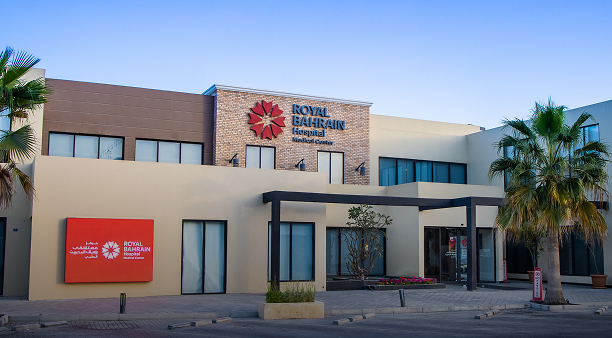
Royal Bahrain Hospital, Salmaniya Image

Royal Bahrain Hospital, Salmaniya

Royal Bahrain Hospital, Salmaniya Background Image

Royal Bahrain Hospital, Salmaniya

Orthopedics, Obstetrics and Gynecology, Urology, General Surgery, Cardiology and Plastic Surgery

+973 1724 6800

Get Directions

93

Doctors

77

Beds

15

Services

2011

Established in
Learn More About This Facility
RBH Medical Center, Janabiya Image

RBH Medical Center, Janabiya

RBH Medical Center, Janabiya Background Image

RBH Medical Center, Janabiya

Orthopedics, Obstetrics and Gynecology, Urology, General Surgery and Cardiology

+973 1724 6800

Get Directions

40+

Doctors

10

Services

2021

Established in

Learn More About This Facility

More from KIMSHEALTH

Looking for something else?

Insurance Partners

Insurance Partners

Health Packages

Health Packages

KIMSHEALTH App

KIMSHEALTH App

Footer Background
Footer Logo

Our Facilities

  • Salmaniya (Hospital)
  • Janabiyah (Medical Centre)

Specialities

Contact Us

Plan Your Visit

  • Find a Doctor
  • Find Insurance Partner
  • KIMSHEALTH Seha Card

Packages & Services

  • Health Packages
  • Health at Home
  • Dialysis
  • Maternity Packages

Support

  • Patient & Visitor FAQs
  • Regional Sitemap

Health Library

Careers

  • Life at KIMSHEALTH
  • Job Listings

Smartphone-Free Childhood Bahrain

ACCN Course Payment

Copyright © 2026. KIMSHEALTH. All Rights Reserved

Instagram IconFacebook IconSnapchat IconTiktok Icon

Download the App

Google PlayApp Store