
Emergency Helpline: 8000 7070+97332181810MyKIMS Login
KIMS Royal Bahrain Hospital

Doctors & Specialities

Explore all Doctors
Explore all Specialities
Explore all Diseases and Conditions
Explore all Procedures
Emergency Helpline: 8000 7070+97332181810Patient StoriesKIMSHEALTH Seha Card

Packages & Services

Explore all Health Packages
Insurance Partner
Explore all Health Services
Emergency Helpline: 8000 7070+97332181810Patient StoriesKIMSHEALTH Seha Card
|
Royal Bahrain Hospital, Salmaniya
RBH Medical Center, Janabiyah
Who We Are
Contact Us
Quality & Accreditations
Leadership
Media & Newsroom
Our Network
Emergency Helpline: 8000 7070+97332181810Patient StoriesKIMSHEALTH Seha Card
Emergency: 8000 7070 +97332181810
  • Explore all DoctorsExplore all SpecialitiesExplore all Diseases and ConditionsExplore all Procedures
  • Explore all Health PackagesInsurance PartnerExplore all Health Services
  • Our Facilities

    Royal Bahrain Hospital, SalmaniyaRBH Medical Center, Janabiyah

    About Us

    Who We AreContact UsQuality & AccreditationsLeadershipMedia & NewsroomOur Network
Emergency Helpline: 8000 7070+97332181810Patient StoriesKIMSHEALTH Seha Card
HomeSpecialitiesCardiology

Cardiology

CardiologyCardiology

About the Speciality

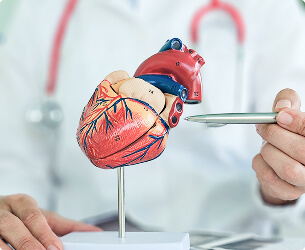
Our Cardiology Department delivers prevention, diagnosis and treatment for heart diseases through personalised care and advanced technology. Risk clinics for blood pressure and lipids offer non-invasive testing (ECG, echocardiogram, treadmill stress test, Holter monitor, and ambulatory blood pressure monitoring) and provide interventional services in a modern Catheterisation Laboratory, including device therapy and structural procedures. We maintain 24/7 cardiac ICU coverage and consultant availability to ensure rapid treatment for acute events. Post-procedure, patients receive tailored rehabilitation and multidisciplinary support that spans diabetes, pulmonary, and genetic services.

Relevant diseases
& conditions

View All
Ventricular Tachycardia (VT)
Ventricular Tachycardia (VT) is a potentially life-threatening heart rhythm disorder in which the lower chambers (ventricles) beat abnormally fast. This rapid heart rate can reduce blood flow to the body and may lead to fainting, heart failure, or sudden cardiac arrest. VT often occurs in people with underlying heart conditions such as cardiomyopathy, previous heart attacks, or electrolyte imbalances. Emergency Defibrillation is the life saving treatment in most cases. Early detection, medical management, and interventions like implantable defibrillators can prevent complications and improve survival.
Learn Morearrow
Valvular Heart Disease
Valvular Heart Disease (VHD) occurs when one or more of the heart’s valves—mitral, aortic, tricuspid, or pulmonary—malfunction due to narrowing (stenosis), leakage (regurgitation), or prolapse. This disrupts normal blood flow and may lead to symptoms such as fatigue, shortness of breath, or heart failure. Causes include rheumatic fever, congenital defects, infections, or age-related degeneration. Early diagnosis, medical management, and surgical interventions such as valve repair or replacement help restore valve function and prevent complications.
Learn Morearrow
Syncope (Fainting)
Syncope is a temporary loss of consciousness caused by a sudden drop in blood flow to the brain. It is usually brief, with spontaneous recovery, but can indicate underlying heart, neurological, or metabolic conditions. Common triggers include dehydration, prolonged standing, sudden posture changes, or emotional stress. Evaluation is important to rule out serious causes. Early recognition, preventive measures, and appropriate medical management help reduce recurrence and potential injury during fainting episodes.
Learn Morearrow
Sports Medicine / Exercise Fitness
Sports medicine and exercise fitness focus on the prevention, diagnosis, and treatment of injuries and conditions related to physical activity, as well as optimizing athletic performance and overall health. It encompasses exercise physiology, injury rehabilitation, nutrition, and training techniques to support safe and effective physical activity. Professionals in this field help individuals—from casual exercisers to elite athletes—maintain cardiovascular health, muscle strength, flexibility, and endurance. Regular, structured physical activity under guidance improves physical fitness, prevents chronic diseases, enhances mental well-being, and supports long-term functional health.
Learn Morearrow
Rheumatic Heart Disease (RHD)
Rheumatic Heart Disease (RHD) is a chronic heart condition caused by damage to heart valves following rheumatic fever, which is an inflammatory disease triggered by an untreated or poorly treated streptococcal throat infection. Valve damage can lead to heart failure, arrhythmias, and increased risk of stroke. RHD is more common in children and young adults in low-resource settings. Early diagnosis, antibiotic prophylaxis, and medical or surgical management of valve disease can prevent complications and improve long-term outcomes.
Learn Morearrow
Pulmonary Embolism
A life-threatening condition where a blood clot blocks a lung artery.
Learn Morearrow
Primordial Prevention of Ischemic Heart Disease (IHD) in Children
Primordial prevention aims to prevent the development of risk factors for Ischemic Heart Disease (IHD) in children before they occur. This includes promoting heart-healthy lifestyles from an early age to reduce the future risk of high blood pressure, obesity, high cholesterol, and diabetes. Encouraging balanced nutrition, regular physical activity, and avoidance of tobacco exposure are key strategies. Early education, family involvement, and supportive environments help children adopt lifelong habits that reduce the likelihood of developing IHD in adulthood.
Learn Morearrow
Pregnant Women with Hypertension
Hypertension in pregnancy is a condition where blood pressure is elevated beyond normal levels, posing risks to both mother and baby. It may be chronic (pre-existing) or develop during pregnancy (gestational hypertension or preeclampsia). Uncontrolled blood pressure can lead to complications such as preterm birth, placental abruption, or organ damage. Careful monitoring, lifestyle modifications, and safe antihypertensive medications help control blood pressure, protect maternal organs, and support healthy fetal development throughout pregnancy.
Learn Morearrow
Pregnant Women Needing Anticoagulants
Some pregnant women require anticoagulants to prevent or treat blood clots due to conditions like deep vein thrombosis (DVT), pulmonary embolism, or certain heart disorders. Pregnancy naturally increases clotting risk, and anticoagulation therapy helps protect both mother and baby. The choice of medication is critical, as some anticoagulants can harm the fetus. Careful monitoring, dose adjustments, and coordination between obstetricians and hematologists ensure safety and effectiveness throughout pregnancy and postpartum.
Learn Morearrow
Peripheral Vascular Disease (PVD)
Peripheral Vascular Disease (PVD) is a condition in which blood vessels outside the heart and brain, particularly in the legs, become narrowed, blocked, or damaged. This reduces blood flow, causing pain, numbness, and delayed healing of wounds. PVD is often caused by atherosclerosis and shares risk factors with heart disease and diabetes. Early detection, lifestyle modifications, medications, and sometimes surgical interventions help improve circulation, manage symptoms, and prevent serious complications like limb ischemia or ulcers.
Learn Morearrow
Peripheral Artery Disease (PAD)
Peripheral Artery Disease (PAD) is a circulatory condition where narrowed or blocked arteries reduce blood flow to the limbs, usually the legs. This can cause pain, cramping, or fatigue during walking or exercise, and in severe cases, ulcers or tissue damage. PAD is often linked to atherosclerosis and shares risk factors with cardiovascular disease. Early detection, lifestyle modifications, and medical or surgical treatments help improve circulation, reduce symptoms, and prevent serious complications such as limb ischemia.
Learn Morearrow
Ischemic Heart Disease (IHD)
Ischemic Heart Disease (IHD), also called coronary artery disease, occurs when blood flow to the heart muscle is reduced due to narrowed or blocked coronary arteries. This limits oxygen supply to the heart muscle, leading to chest pain (angina), shortness of breath, or heart attacks. Chronic IHD can weaken heart function over time. Risk factors include high blood pressure, diabetes, smoking, high cholesterol, obesity, and sedentary lifestyle. Early diagnosis, lifestyle changes, medications, and interventions help manage symptoms, prevent complications, and improve survival and quality of life.
Learn Morearrow
Hypotension (Low Blood Pressure)
Hypotension is a condition where blood pressure is lower than normal, often defined as below 90/60 mmHg. In elderly individuals, it can reduce blood flow to vital organs, causing dizziness, fainting, or falls. It may result from dehydration, medications, heart problems, or autonomic dysfunction. While mild cases are often manageable, severe or sudden hypotension can be dangerous. Early recognition, identifying underlying causes, and proper care help prevent complications and maintain overall health in older adults.
Learn Morearrow
Hypertension (High Blood Pressure)
Hypertension, or high blood pressure, is a chronic condition where the force of blood against artery walls is consistently elevated. Over time, this increases the risk of heart disease, stroke, kidney damage, and other complications. Often called the “silent killer,” it may show no noticeable symptoms until organ damage occurs. Early detection, lifestyle modifications, and medications help control blood pressure, reduce cardiovascular risk, and protect vital organs. Regular monitoring is key to effective management.
Learn Morearrow
High Cholesterol (Dyslipidemia / Hyperlipidemia)
High cholesterol, also called dyslipidemia or hyperlipidemia, is a condition where elevated levels of cholesterol and fats in the blood increase the risk of atherosclerosis and heart disease. Excess LDL (“bad” cholesterol) can form plaques in arteries, while low HDL (“good” cholesterol) reduces protective effects. Often symptomless initially, it may eventually contribute to heart attacks or strokes. Early detection, lifestyle management, and medications help control cholesterol, reduce cardiovascular risk, and maintain long-term vascular health.
Learn Morearrow
Heart Failure
Heart failure is a chronic condition in which the heart cannot pump blood effectively enough to meet the body’s needs. It may involve the left, right, or both sides of the heart. Causes include coronary artery disease, high blood pressure, or previous heart attacks. Symptoms can range from mild fatigue to severe fluid buildup in lungs or legs. Early diagnosis, lifestyle modifications, medications, and interventions can help manage symptoms, prevent complications, and improve quality of life.
Learn Morearrow
Gout (Cardio-metabolic link)
Gout is a type of arthritis caused by the buildup of uric acid crystals in joints, leading to sudden, severe pain, swelling, and redness. Beyond joint problems, gout is linked to cardio-metabolic conditions such as high blood pressure, diabetes, obesity, and heart disease. Chronic inflammation and metabolic imbalances can increase cardiovascular risk. Early diagnosis, lifestyle management, and medications to control uric acid levels help reduce flare-ups, improve joint health, and lower the risk of associated heart and metabolic complications.
Learn Morearrow
Coronary Artery Disease – Chronic (Angina)
Chronic Coronary Artery Disease, often presenting as angina, is a condition where the heart’s blood supply is reduced due to narrowed or blocked coronary arteries. This causes chest discomfort or pressure during physical activity or stress, as the heart muscle receives insufficient oxygen. Angina can be stable or unstable, with unstable angina signaling higher risk of heart attack. Early diagnosis, lifestyle modifications, medications, and procedures help manage symptoms, improve blood flow, and reduce cardiovascular risks.
Learn Morearrow
Coronary Artery Disease – Acute (Heart Attack / Myocardial Infarction)
Acute Coronary Artery Disease, commonly called a heart attack or myocardial infarction, occurs when blood flow to a part of the heart is blocked, usually by a blood clot in a coronary artery. This deprives heart muscle of oxygen, causing tissue damage or death. Rapid recognition and treatment are critical to reduce complications. Risk factors include high blood pressure, high cholesterol, diabetes, smoking, and lifestyle habits. Timely medical care improves survival and heart function recovery.
Learn Morearrow
Congenital Heart Defects
Structural heart abnormalities present at birth.
Learn Morearrow
Cardiomyopathy
Cardiomyopathy is a disease of the heart muscle that makes it harder for the heart to pump blood effectively. The heart muscle may become enlarged, thickened, or stiff, leading to reduced circulation to the body. Over time, cardiomyopathy can result in heart failure, abnormal heart rhythms, or blood clots. Some forms are inherited, while others develop due to medical conditions or lifestyle factors. Early diagnosis and proper treatment help slow disease progression and improve the quality of life.
Learn Morearrow
Bradycardia
Bradycardia is a heart rhythm condition where the heart beats slower than normal, typically fewer than 60 beats per minute. It occurs when the heart’s electrical signals are delayed or blocked. While mild bradycardia may be normal in healthy or athletic individuals, severe cases can limit blood flow to vital organs. This may lead to fatigue, dizziness, or fainting. Timely diagnosis and appropriate treatment help manage symptoms and prevent serious complications.
Learn Morearrow
Atrial Fibrillation
Atrial Fibrillation is a common heart rhythm disorder where the heart’s upper chambers beat irregularly and rapidly. This disrupts normal blood flow, allowing blood to pool and increases the risk of clot formation and stroke. AFib may be occasional or long-lasting and often worsens if not treated. While some people have no symptoms, others experience significant discomfort. Early diagnosis, proper medical care, and lifestyle management can help control heart rhythm, reduce complications, and improve overall quality of life.
Learn Morearrow
Arrhythmias (Irregular Heartbeat)
Arrhythmias are disorders of the heart’s electrical system that cause irregular - too fast, or too slow heartbeats. They occur when electrical signals that coordinate heart contractions malfunction. Some arrhythmias are harmless and temporary, while others can reduce blood flow, increase stroke risk, or cause sudden cardiac events. Early detection, proper evaluation, and appropriate treatment help control symptoms, prevent complications, and support long-term heart health. Management plans are individualized based on type, severity, and overall patient health and lifestyle risk factors.
Learn Morearrow
Previous
Next

Procedures & treatments provided

View All
Statins
Statins are cholesterol-lowering medications that reduce the production of LDL (‘bad’) cholesterol in the liver. They also stabilize fatty plaques in blood vessels, lowering the risk of heart attack and stroke. Widely used in cardiovascular prevention and treatment, statins are effective for patients with high cholesterol, diabetes, or established heart disease. When taken regularly and combined with lifestyle changes, statins significantly reduce cardiovascular events and improve long-term heart health.
Learn Morearrow
PCSK9 Inhibitors
PCSK9 Inhibitors are advanced lipid-lowering medications that significantly reduce LDL (‘bad’) cholesterol levels. They work by blocking the PCSK9 protein, allowing the liver to remove more LDL cholesterol from the blood. These injectable medications are especially useful for patients who cannot achieve target cholesterol levels with statins alone or who are statin-intolerant. PCSK9 Inhibitors lower the risk of heart attack and stroke and are used as part of long-term cardiovascular risk reduction strategies.
Learn Morearrow
Nitrates
Nitrates are medications used to relieve and prevent chest pain (angina) by relaxing and widening blood vessels. This improves blood flow to the heart muscle and reduces the heart’s workload and oxygen demand. They act quickly to relieve acute angina and are also used in long-acting forms for prevention. Nitrates are commonly prescribed in coronary artery disease, heart failure, and acute cardiac care. Proper timing and dosing are important to maintain effectiveness and avoid tolerance.
Learn Morearrow
Mineralocorticoid Receptor Antagonists
Mineralocorticoid Receptor Antagonists (MRAs) are medications that block the action of aldosterone, a hormone that causes salt and water retention. By reducing fluid overload and preventing harmful heart remodeling, MRAs improve outcomes in heart failure and resistant hypertension. Commonly used MRAs help lower blood pressure, reduce swelling, and decrease hospitalizations and mortality in selected heart failure patients. Careful monitoring is essential to avoid side effects such as high potassium levels or kidney dysfunction.
Learn Morearrow
Lipid Profile Testing & Cardiovascular Risk Scoring
Lipid Profile Testing measures cholesterol and triglyceride levels in the blood, including LDL (‘bad’), HDL (‘good’), total cholesterol, and triglycerides. Cardiovascular risk scoring combines lipid values with other factors like age, blood pressure, diabetes, smoking, and family history to estimate a person’s 10-year risk of heart disease or stroke. Together, these tests help identify individuals at risk, guide treatment decisions, monitor therapy effectiveness, and support lifestyle or medication interventions to reduce cardiovascular events.
Learn Morearrow
Lifestyle Modifications for Heart Health
Lifestyle modifications are non-medical strategies to prevent and manage cardiovascular disease, improve heart health, and reduce risk factors such as hypertension, high cholesterol, diabetes, and obesity. These changes complement medications and procedures, enhancing overall treatment effectiveness. Core components include a balanced diet, regular physical activity, maintaining a healthy weight, stress management, limiting alcohol, and avoiding tobacco. Consistent adoption of these practices helps prevent heart attacks, strokes, arrhythmias, and other cardiovascular complications, improving long-term health outcomes.
Learn Morearrow
Ezetimibe
Ezetimibe reduces cholesterol by blocking absorption of dietary and biliary cholesterol in the small intestine. It is used to lower LDL (‘bad’ cholesterol), sometimes in combination with Statins, and helps reduce cardiovascular risk. It is generally well-tolerated and part of long-term cholesterol management.
Learn Morearrow
ECG, Echocardiography (Echo) & Treadmill Test (TMT)
ECG (Electrocardiogram), Echocardiography (Echo), and Treadmill Test (TMT) are key cardiac diagnostic tools. ECG records the heart’s electrical activity to detect arrhythmias or ischemia. Echocardiography uses ultrasound to visualize heart chambers, valves, and function. TMT, or stress test, evaluates heart performance during exercise to detect reduced blood flow or exercise-induced arrhythmias. Together, these tests help diagnose heart disease, assess severity, guide treatment, and monitor therapy effectiveness safely and non-invasively.
Learn Morearrow
Diuretics
Diuretics, commonly called “water pills,” help the body remove excess salt and water through urine. They are widely used to manage high blood pressure, heart failure, kidney disorders, and edema. By reducing blood volume, diuretics lower blood pressure and decrease fluid accumulation in tissues or around the lungs. Different classes, such as thiazide, loop, and potassium-sparing diuretics, are chosen based on the patient’s condition and electrolyte balance. Proper use improves symptoms and prevents complications.
Learn Morearrow
Cardiac Catheterization
Cardiac catheterization is a diagnostic and sometimes therapeutic procedure in which a thin, flexible tube (catheter) is inserted into a blood vessel and guided to the heart. It allows evaluation of coronary arteries, heart chambers, valves, and pressures. Contrast dye and imaging help detect blockages or structural abnormalities. The procedure can also be used for interventions such as angioplasty, stent placement, or valve repair. It is essential for diagnosing and managing coronary artery diseases and other heart conditions.
Learn Morearrow
Calcium Channel Blockers
Calcium Channel Blockers (CCBs) are medications that relax and widen blood vessels by blocking calcium entry into the heart and vascular muscle cells. This decreases blood pressure, reduces the heart’s workload, and improves blood flow to the heart. CCBs are commonly used to manage hypertension, angina, and certain arrhythmias. Subclasses-dihydropyridines and non-dihydropyridines-are chosen based on patient needs. They improve symptoms, reduce cardiovascular risk, and enhance exercise tolerance as part of long-term heart disease management.
Learn Morearrow
Blood Draw for Cardiac Markers (Troponin)
A blood draw for cardiac markers, specifically troponin, measures proteins released into the bloodstream when the heart muscle is damaged. It is a key test to diagnose myocardial infarction (heart attack), assess severity, and guide treatment decisions. Troponin levels are highly sensitive and specific for heart injury. The test often involves multiple blood samples over several hours to track changes. Timely testing helps detect heart damage early, allowing prompt medical intervention and improved outcomes.
Learn Morearrow
Beta-Blockers
Beta-blockers are medications that reduce heart rate, lower blood pressure, and decrease the heart’s workload by blocking the effects of adrenaline (epinephrine) on the heart and blood vessels. They are commonly used to manage hypertension, angina, heart failure, arrhythmias, and post-heart attack care. Beta-blockers improve survival, reduce symptoms, and prevent complications in cardiovascular diseases. They are prescribed carefully, considering potential side effects and interactions with other conditions or medications.
Learn Morearrow
Antiplatelet Therapy
Antiplatelet therapy uses medications to prevent blood platelets from clumping, reducing the risk of blood clots. It is commonly prescribed for patients with coronary artery disease, after stent placement, heart attack, stroke, or peripheral artery disease. Common drugs include aspirin, clopidogrel, and newer agents. While effective at preventing clots, antiplatelet therapy carries a bleeding risk, requiring careful adherence, monitoring, and coordination with other medications or procedures.
Learn Morearrow
Antihypertensive Medications
Antihypertensive medications are used to lower and control high blood pressure, reducing the risk of heart diseases, stroke, and kidney damage. They work through mechanisms such as relaxing blood vessels, reducing blood volume, or slowing heart rate. Common classes include ACE inhibitors, angiotensin receptor blockers (ARBs), beta-blockers, calcium channel blockers, and diuretics. Proper use, alongside lifestyle modifications, helps maintain safe blood pressure levels, prevent complications, and improve long-term cardiovascular health.
Learn Morearrow
Anticoagulation
Anticoagulation therapy uses medications to prevent or reduce blood clot formation. It is prescribed for conditions such as atrial fibrillation, deep vein thrombosis, pulmonary embolism, mechanical heart valves, and certain high-risk cardiovascular disorders. By interfering with the blood’s clotting process, anticoagulants lower the risk of stroke, heart attack, or embolism. Careful dosing, monitoring, and adherence are essential to balance clot prevention with the risk of bleeding.
Learn Morearrow
Antiarrhythmic Drugs
Antiarrhythmic drugs are used to treat abnormal heart rhythms by stabilizing the heart’s electrical activity. They help restore normal rhythm, control heart rate, and prevent dangerous arrhythmias. These drugs act on different ion channels and conduction pathways and are chosen based on the type of arrhythmia and patient condition. While effective, they require careful monitoring due to potential side effects and interactions. Proper use reduces symptoms, prevents complications, and improves quality of life.
Learn Morearrow
Anti-anginal Medications
Anti-anginal medications are used to relieve or prevent chest pain (angina) caused by reduced blood flow to the heart muscle. They work by improving oxygen delivery, reducing the heart’s workload, or widening coronary arteries. Common classes include nitrates, beta-blockers, calcium channel blockers, and metabolic agents like ranolazine. These drugs help control symptoms, improve exercise tolerance, and reduce the frequency and severity of angina episodes. They are part of long-term management of coronary artery disease.
Learn Morearrow
Angiography & Angioplasty (Stent Placement)
Angiography is a diagnostic procedure that uses contrast dye and X-ray imaging to visualize blood vessels, especially coronary arteries, to detect blockages or narrowing. If a significant blockage is found, angioplasty may be performed during the same procedure. Angioplasty involves inflating a small balloon at the blockage site and often placing a stent to keep the artery open. These procedures relieve chest pain, restore blood flow, prevent heart attacks, and improve heart function.
Learn Morearrow
Fibrates / Niacin (Medication Management Guide)
Fibrates and niacin are lipid-lowering agents used to control high triglycerides, raise HDL, and reduce cardiovascular risk. Fibrates primarily target triglycerides, while niacin lowers LDL and triglycerides and increases HDL. They are often used when lifestyle changes or statins alone are insufficient to reach lipid targets.
Learn Morearrow
24-hour Holter & 24/7 Ambulatory BP Monitoring
24-hour Holter monitoring continuously records the heart’s electrical activity over a full day to detect intermittent rhythm abnormalities that may not appear during a routine ECG. Ambulatory Blood Pressure Monitoring (ABPM) measures blood pressure at regular intervals over 24 hours, including during sleep, providing a true picture of daily BP variations. Together, these tests help diagnose arrhythmias, unexplained symptoms, masked or nocturnal hypertension, and assess treatment effectiveness with greater accuracy than single readings.
Learn Morearrow
Previous
Next

Our Doctors

Expert care, now within reach
View All
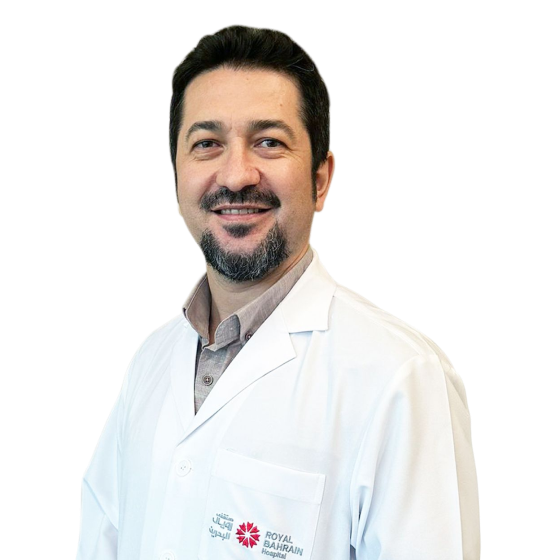
Dr. Selcuk Kucukseymen
More Infoarrow

Dr. Selcuk Kucukseymen

Consultant, Cardiology

Languages
  • Italian
  • English
  • Turkish
Location
  • Janabiya
  • Medical Centre
Location
  • Salmaniya
  • Hospital
Dr. Praveen Kumar
More Infoarrow

Dr. Praveen Kumar

Consultant, Cardiology

Languages
  • English
  • Hindi
Location
  • Janabiya
  • Medical Centre
Location
  • Salmaniya
  • Hospital
Dr. Waleed Sultan
More Infoarrow

Dr. Waleed Sultan

Specialist, Cardiology

Languages
  • Arabic
  • English
Location
  • Janabiya
  • Medical Centre
Location
  • Salmaniya
  • Hospital

Available at

Find Us at Our Facilities

Royal Bahrain Hospital, Salmaniya Image

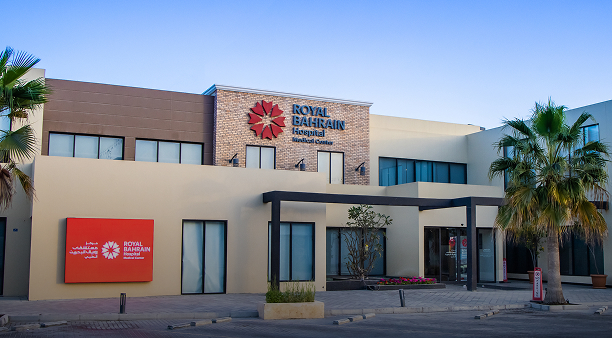
Royal Bahrain Hospital, Salmaniya

Royal Bahrain Hospital, Salmaniya Background Image

Royal Bahrain Hospital, Salmaniya

Orthopedics, Obstetrics and Gynecology, Urology, General Surgery, Cardiology and Plastic Surgery

+973 1724 6800

Get Directions

93

Doctors

77

Beds

15

Services

2011

Established in
Learn More About This Facility
RBH Medical Center, Janabiya Image

RBH Medical Center, Janabiya

RBH Medical Center, Janabiya Background Image

RBH Medical Center, Janabiya

Orthopedics, Obstetrics and Gynecology, Urology, General Surgery and Cardiology

+973 1724 6800

Get Directions

40+

Doctors

10

Services

2021

Established in

Learn More About This Facility

More from KIMSHEALTH

Looking for something else?

Insurance Partners

Insurance Partners

Health Packages

Health Packages

KIMSHEALTH App

KIMSHEALTH App

Footer Background
Footer Logo

Our Facilities

  • Salmaniya (Hospital)
  • Janabiyah (Medical Centre)

Specialities

Contact Us

Plan Your Visit

  • Find a Doctor
  • Find Insurance Partner
  • KIMSHEALTH Seha Card

Packages & Services

  • Health Packages
  • Health at Home
  • Dialysis
  • Maternity Packages

Support

  • Patient & Visitor FAQs
  • Regional Sitemap

Health Library

Careers

  • Life at KIMSHEALTH
  • Job Listings

Smartphone-Free Childhood Bahrain

ACCN Course Payment

Copyright © 2026. KIMSHEALTH. All Rights Reserved

Instagram IconFacebook IconSnapchat IconTiktok Icon

Download the App

Google PlayApp Store