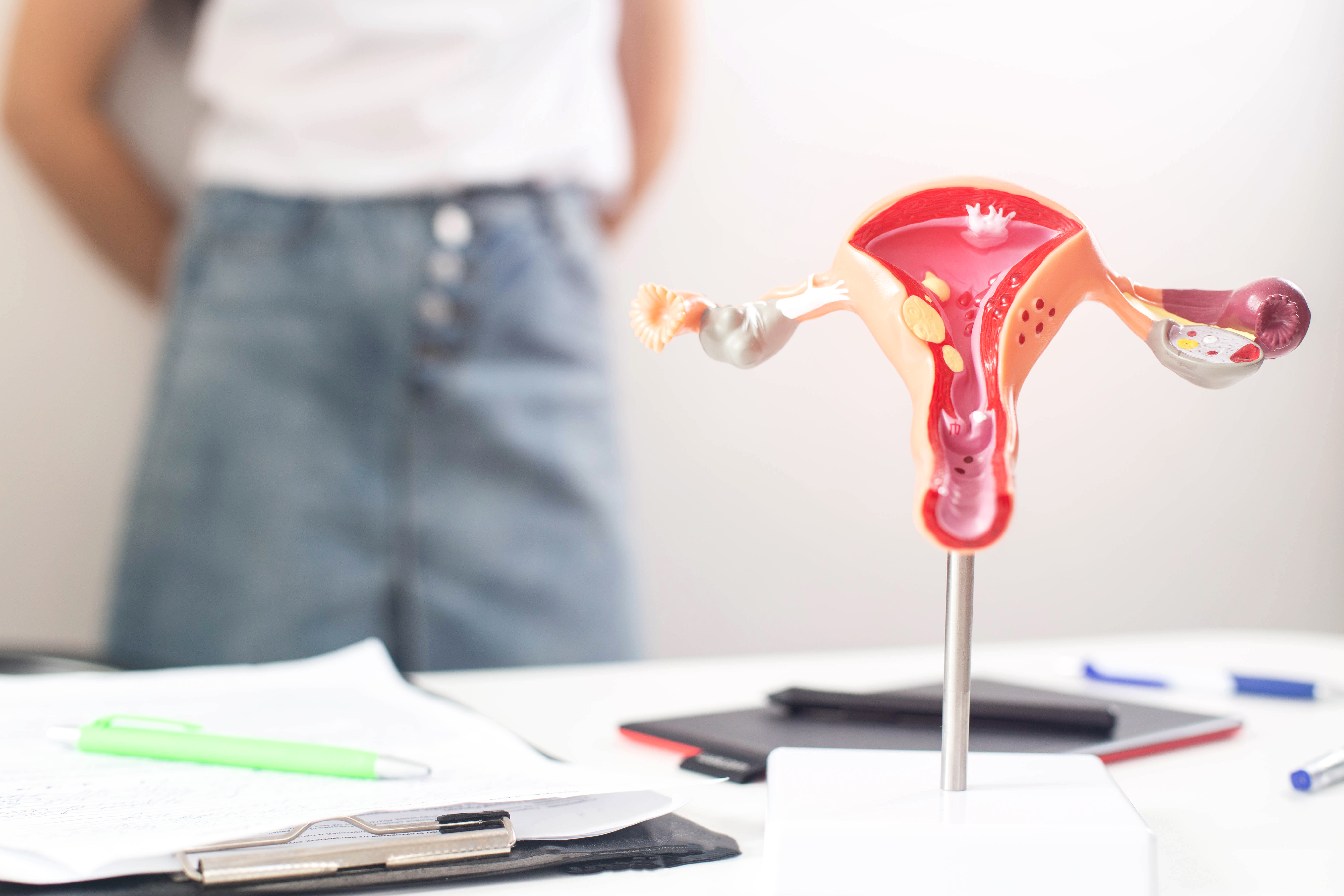
Everything You Need to Know About Our Menorrhagia (Heavy Periods) Clinic
Consultant gynaecologist Dr. _Kiran Bijlani Will be heading the menorrhagia or the heavy menstrual periods clinic at Royal Bahrain Hospital Medical Centre Janabiya.
We have started this initiative as a result of many women who presented to us with heavy bleeding and very low haemoglobin values, Their lives were affected by this for several years without finding any real solutions. The clinic is planned as a 1 stop shop for all patients with heavy menstrual bleeding right from the age of puberty up to the postmenopause.
Menorrhagia—or heavy periods—can severely affect daily life. Our Menorrhagia Clinic is set up to help you get answers and find the right treatment. Here's everything you need to know, in a simple Q&A format.
What is Menorrhagia?
Menorrhagia is the medical term for heavy or prolonged periods that interfere with your day-to-day life. Heavy bleeding can make you feel tired, weak, or even anaemic.
How do I know if my period is "heavy"?
You may have heavy periods if:
- Your period lasts longer than 7 days
- You pass large clots
- You need to change pads/tampons hourly
- You flood through clothes or bedsheets
- You feel constantly tired—possibly due to anaemia
What services does the Menorrhagia Clinic offer?
We offer a complete range of investigations and treatments, both medical and surgical, including:
In-Clinic Services:
- Specialist gynaecologist consultations
- Pelvic examinations
- Ultrasound scans
- Endometrial biopsies (sampling the womb lining)
- Removal of old IUDs/coils
- Iron therapy for anaemia
- Non-hormonal treatments for heavy bleeding
- Hormonal treatments (like the contraceptive pill or progesterone devices)
- Placement of hormone therapy under the skin or into the womb
- Removal of polyps and fibroids (as day procedures)
- Endometrial ablation (procedure to remove the womb lining)
Hospital Services (if needed):
- Hysteroscopy (camera test in the womb)
- Removal of fibroids or polyps under anaesthetic
- Endometrial resection/ablation
- Hysterectomy (in select cases, depending on NHS availability)
Note: Some treatments like hysterectomy may not always be funded by the NHS due to current policy restrictions. Talk to your doctor for advice.
What causes heavy periods?
Most causes aren’t serious, but may include:
- Fibroids (non-cancerous muscle growths in the womb)
- Adenomyosis (trapped tissue in the womb wall)
- Hormonal imbalance
- Previous infections or inflammation
- A contraceptive coil (IUD) irritating the womb
What tests might I need?
You may need:
- Blood tests to check for anaemia
- A pelvic exam to assess the womb
- Ultrasound scan (if needed)
- Hysteroscopy (to look inside the womb)
- Hormone tests (in selected cases)
What are the treatment options?
1. Simple Medications (non-hormonal):
- Tranexamic acid: Helps reduce bleeding by improving blood clotting.
- Mefenamic acid: Reduces bleeding and helps with period pain.
2. Hormonal Options:
- The contraceptive pill
- Progesterone tablets or mini-pill
- Hormone-releasing IUD (e.g. Mirena® coil) – reduces bleeding significantly for many women
- Other hormonal blockers or androgen treatments (used in select cases)
3. Surgical Options:
- Endometrial ablation – removes uterus lining
- Removal of fibroids/polyps
- Hysterectomy (in certain cases and usually after other treatments have failed or aren’t suitable)
What happens at my appointment?
- Talk through your symptoms with the doctor
- Have a pelvic exam or ultrasound
- Possibly a hysteroscopy or biopsy
- Discuss different treatment options
- You’ll receive personalized care based on your symptoms, age, medical history, and treatment goals
What should I do to prepare for my appointment?
- Take paracetamol or ibuprofen beforehand (unless not advised)
- Avoid sex before your appointment or use condoms if there’s a coil in place
- Be ready to give a urine sample
- Bring a note of your last period and current medications
Can I get help if I’m nervous or in pain during the procedure?
Absolutely. If you're uncomfortable with procedures while awake, we can book them to be done with general anaesthetic. You're in control—we'll adjust your care to suit your comfort level.
Final Thoughts
Heavy periods can feel overwhelming—but you're not alone, and help is available. The Menorrhagia Clinic is a one-stop service to investigate, understand, and treat your symptoms, so you can get back to life without being slowed down by your period.
If you're struggling, don't suffer in silence. Your journey to relief can start here.
For appointments or more info, contact us directly on a dedicated clinic Whatsapp 00973 37166855